Karadeniz Technical University Organised its First Erasmus+ Blended Intensive Programme
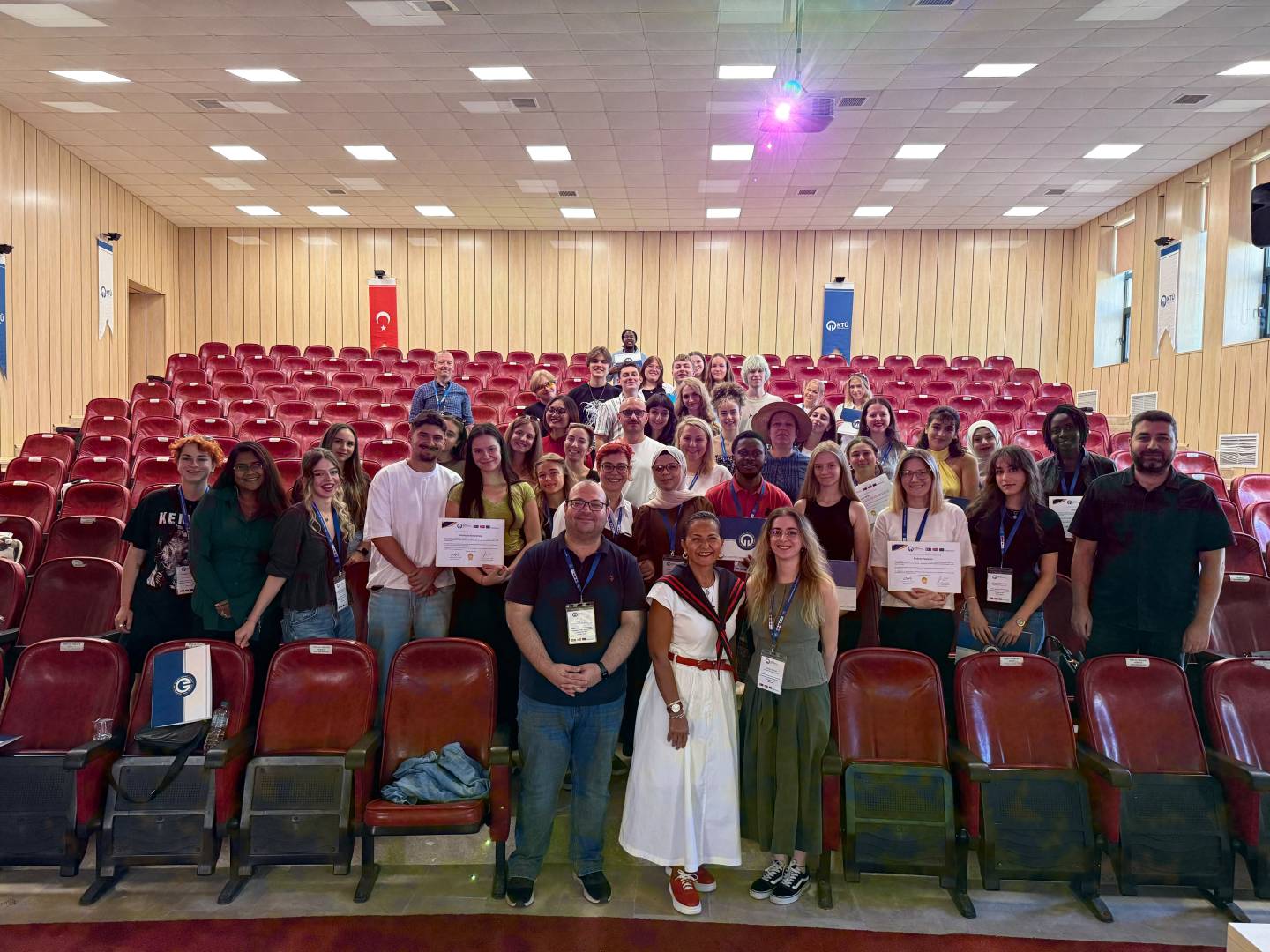
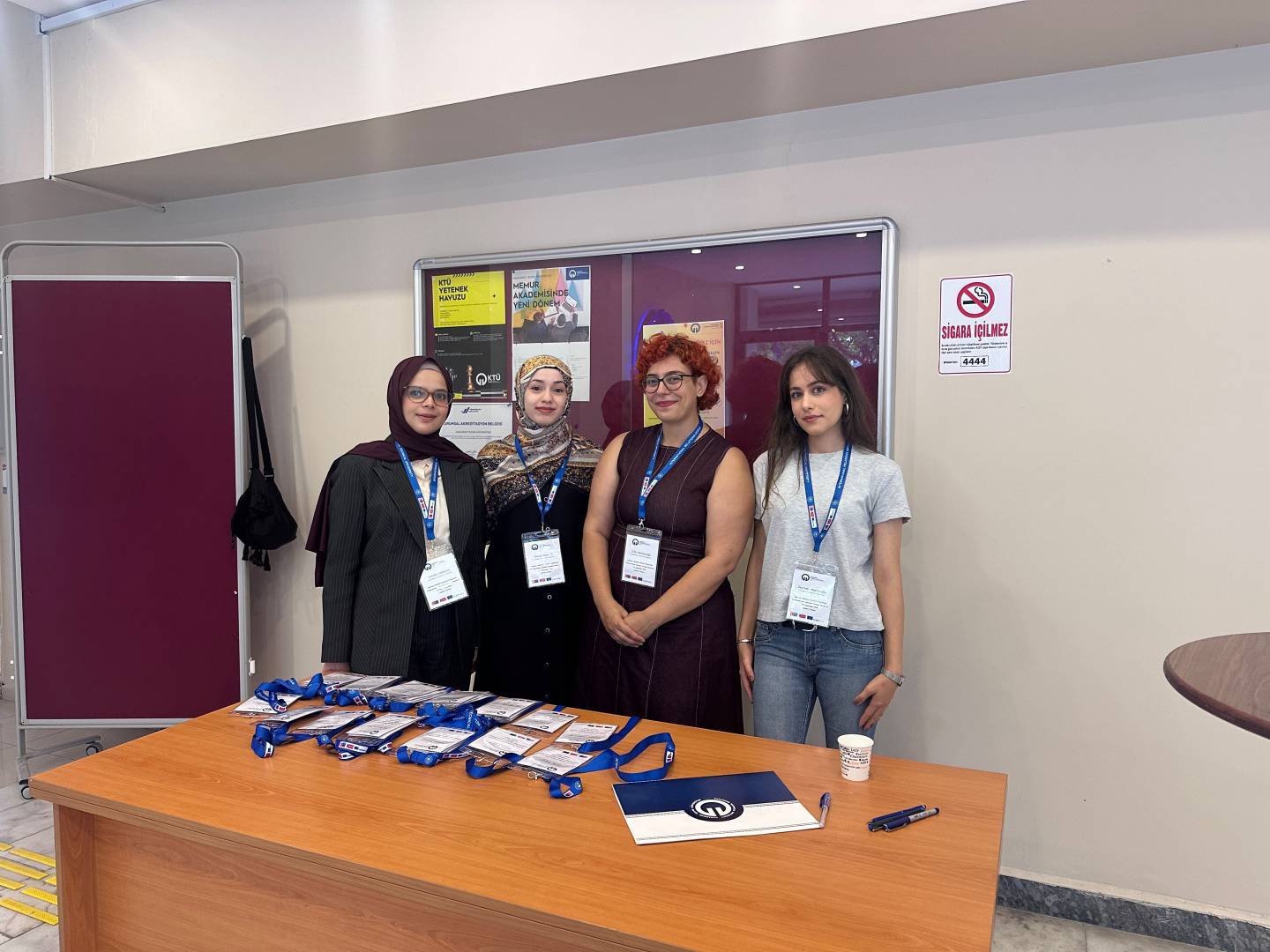
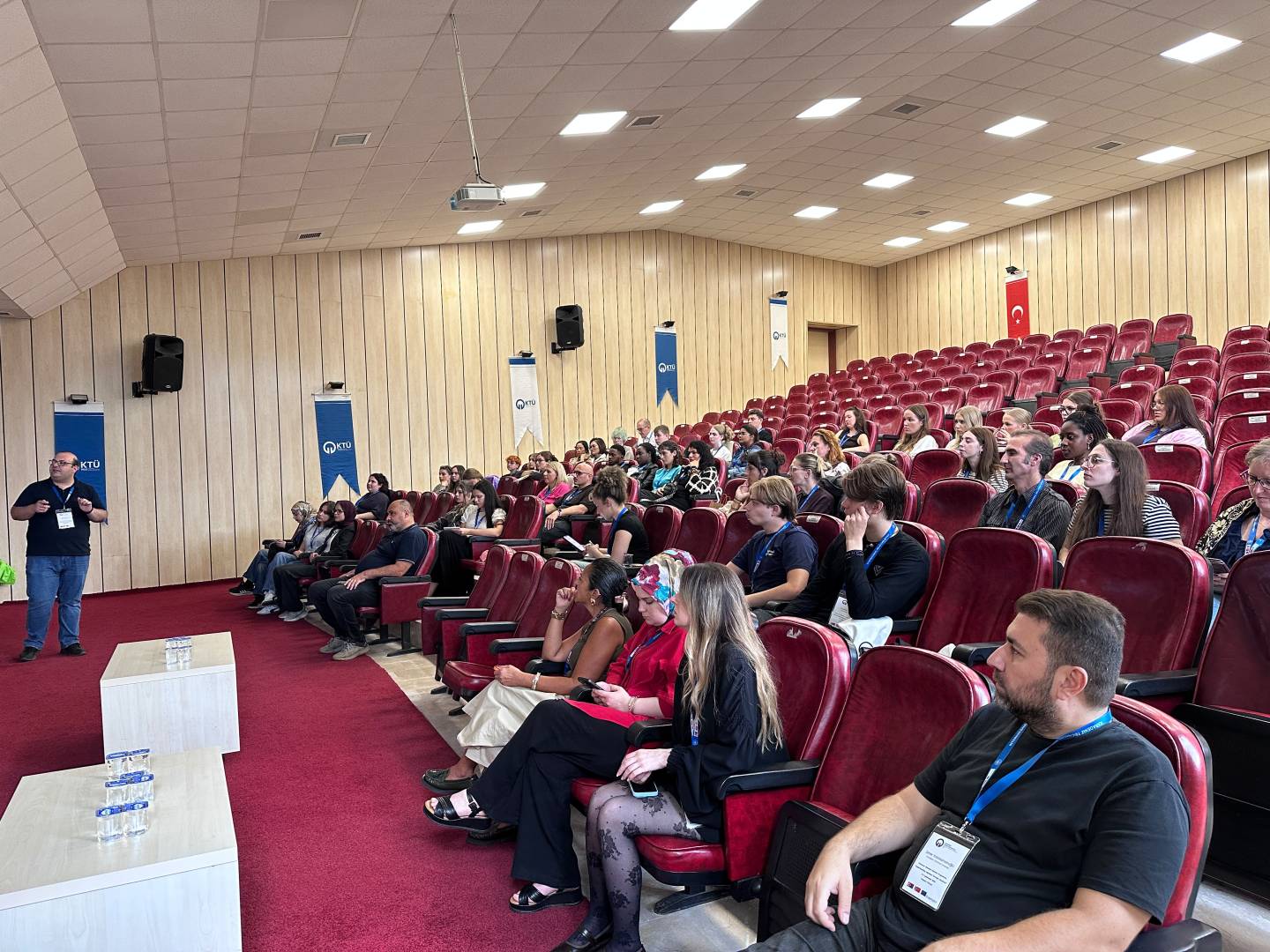
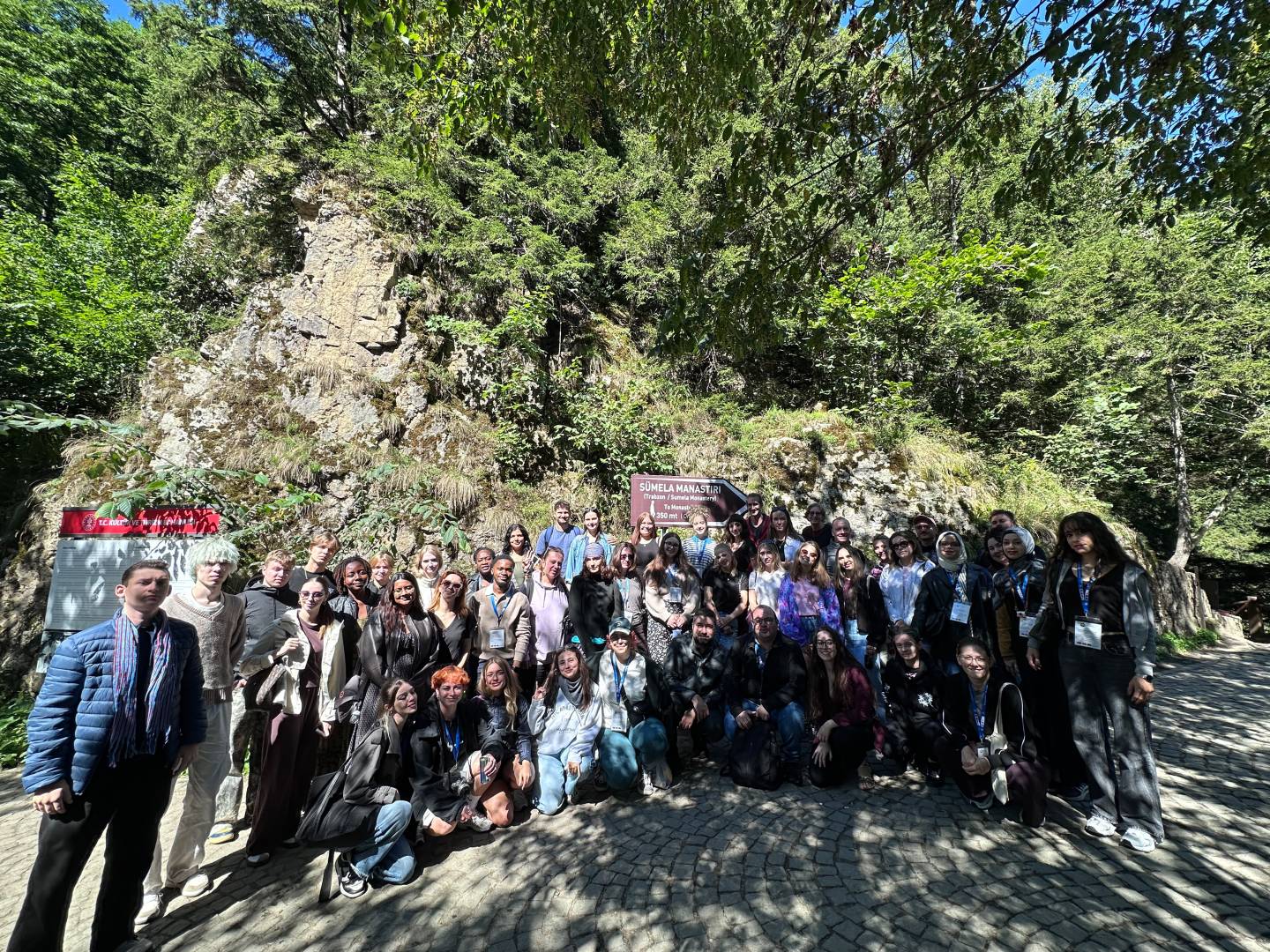
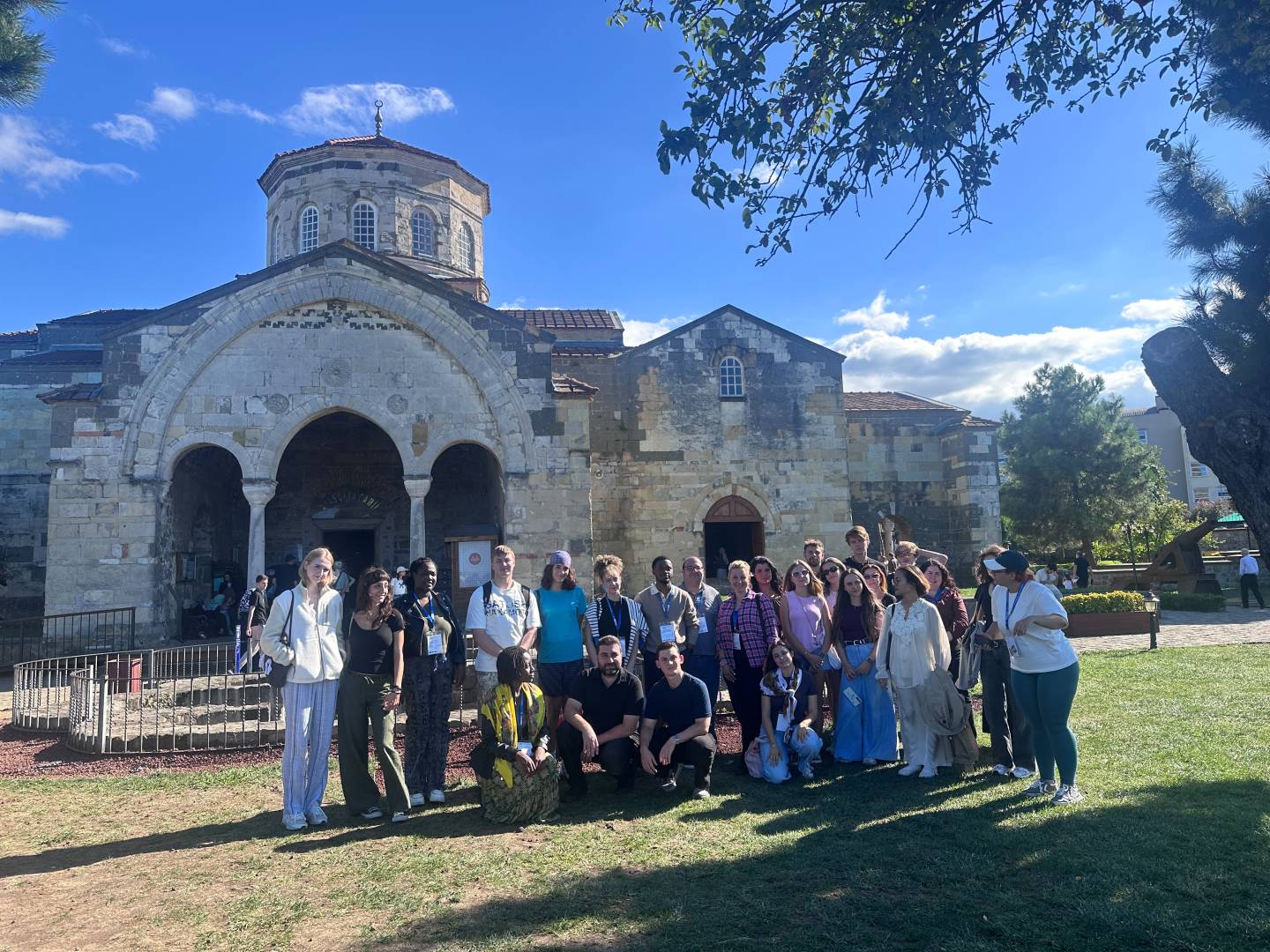
Karadeniz Technical University (KTU) successfully hosted the Erasmus+ Blended Intensive Programme (BIP) titled "Understanding Migration Through Literature" (BIP ID: 2025-1-TR01-KA131-HED-000309799-1) - the first Erasmus+ BIP organised at KTU. The interdisciplinary event brought together scholars and students from 14 partner universities across Europe to examine human mobility, displacement, and cultural identity through literary analysis and creative writing.
The program combined virtual preparatory sessions on September 2–3 with intensive, on-campus academic and cultural sessions from September 7 to 11.
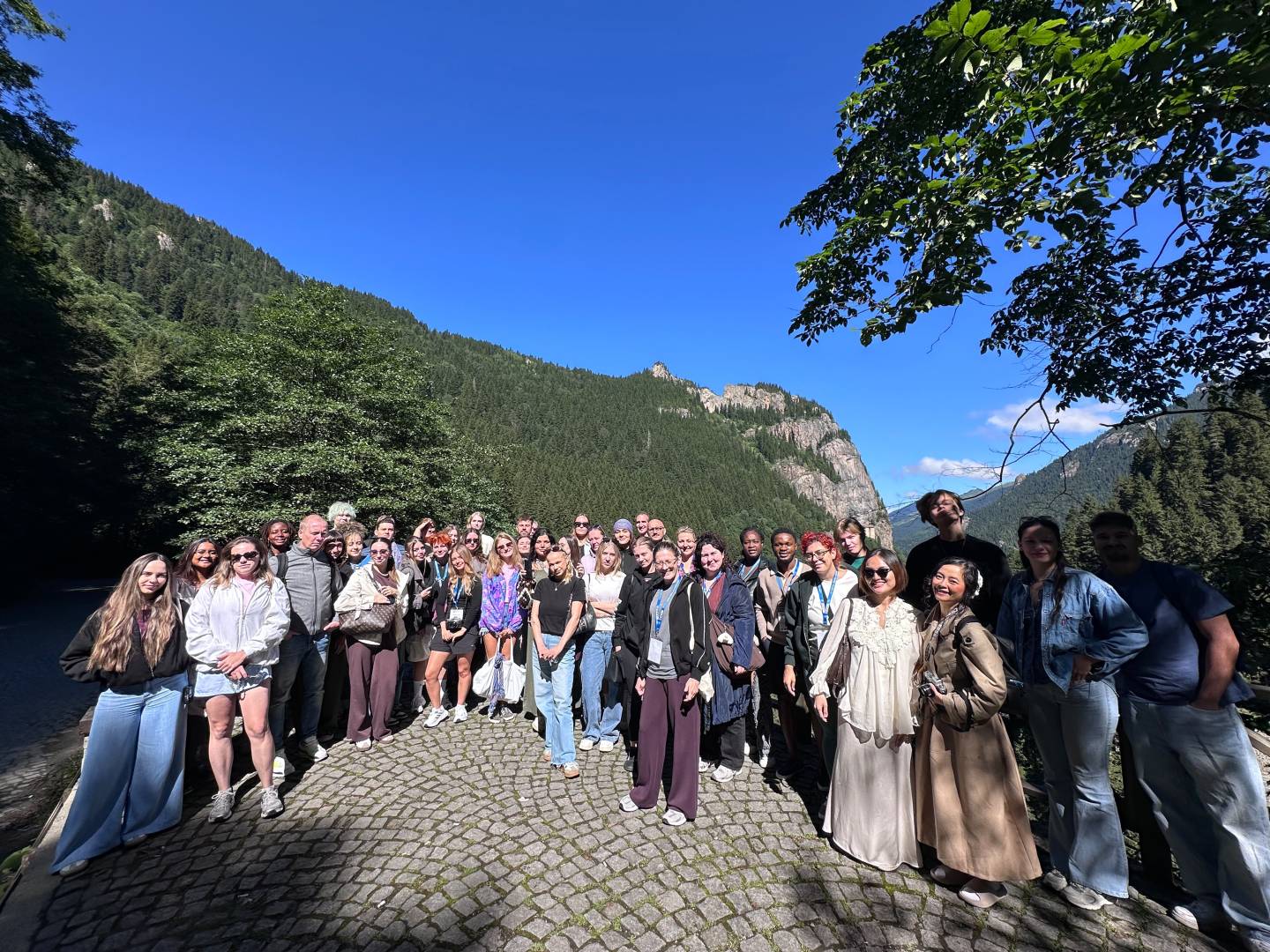
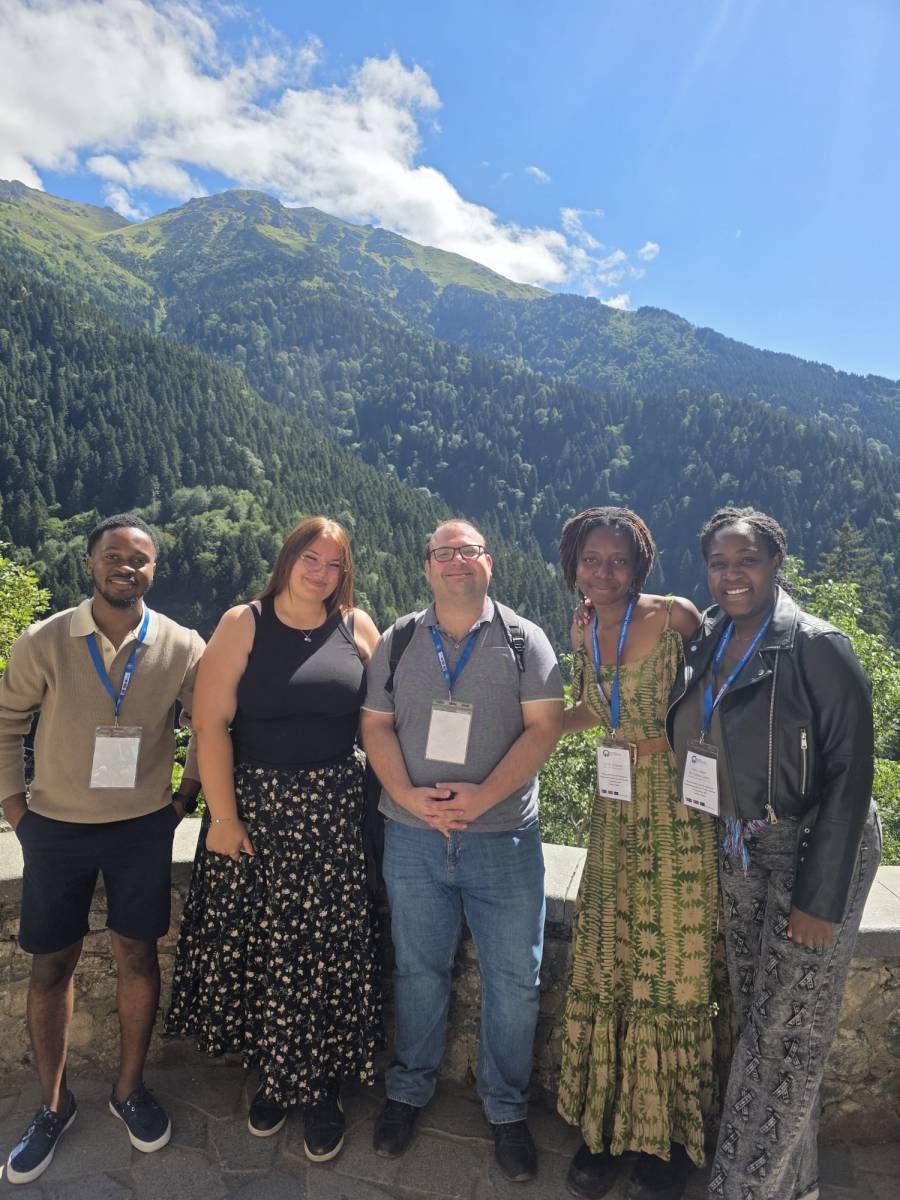
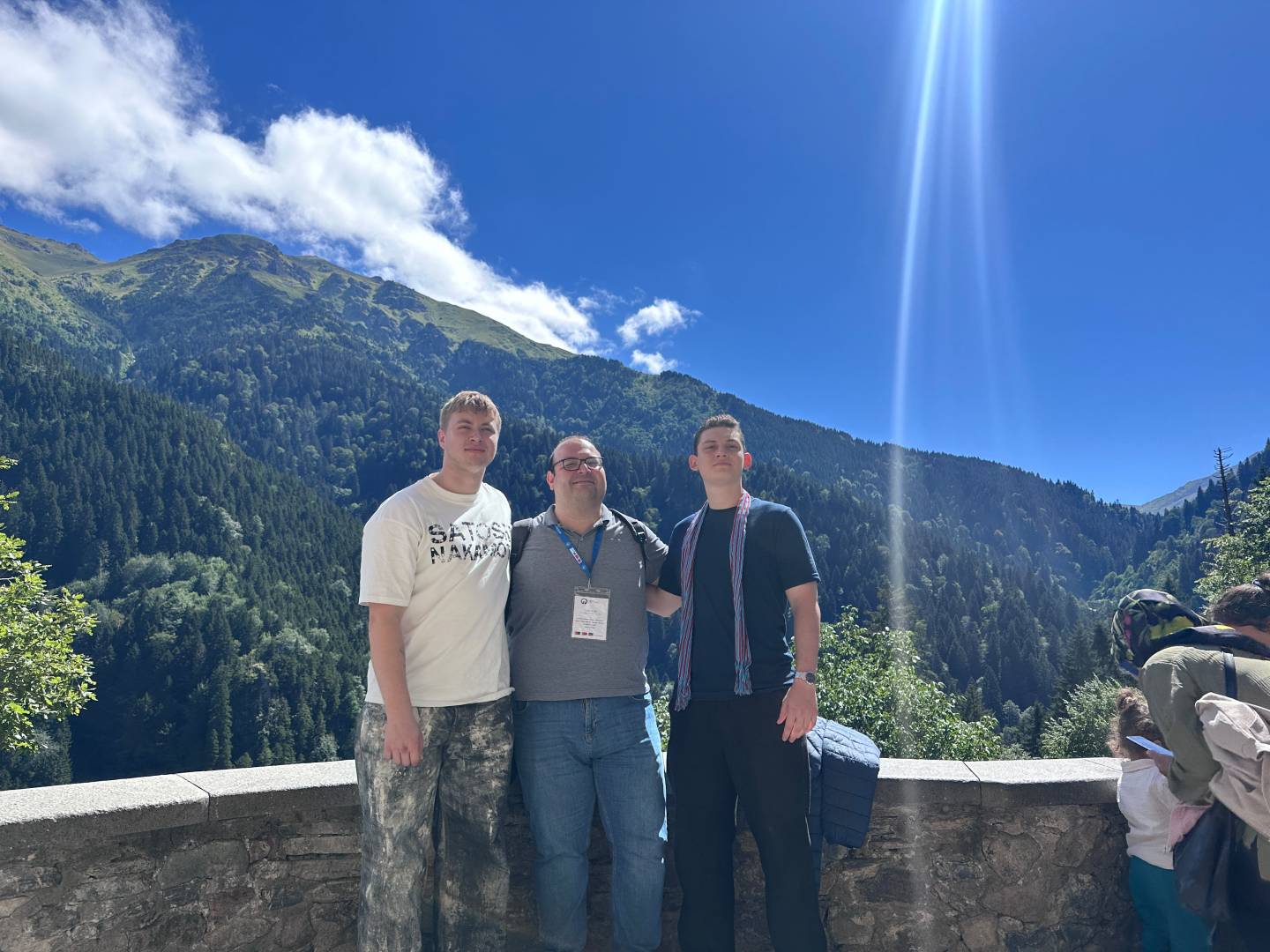
36 students and 6 academic staff attended the event in the framework of Erasmus+ Programme.
Exploring Migration Across Contexts and Media
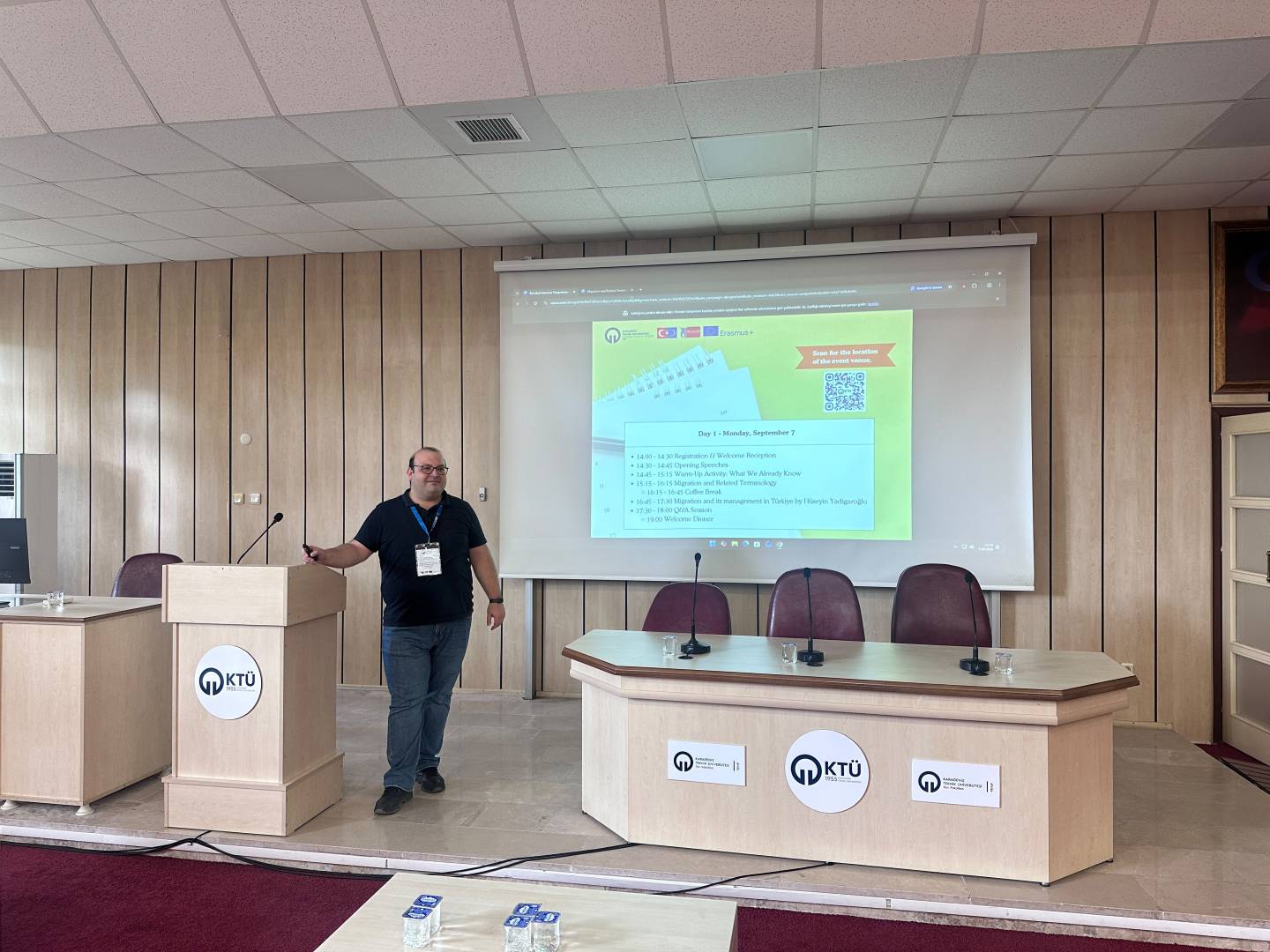
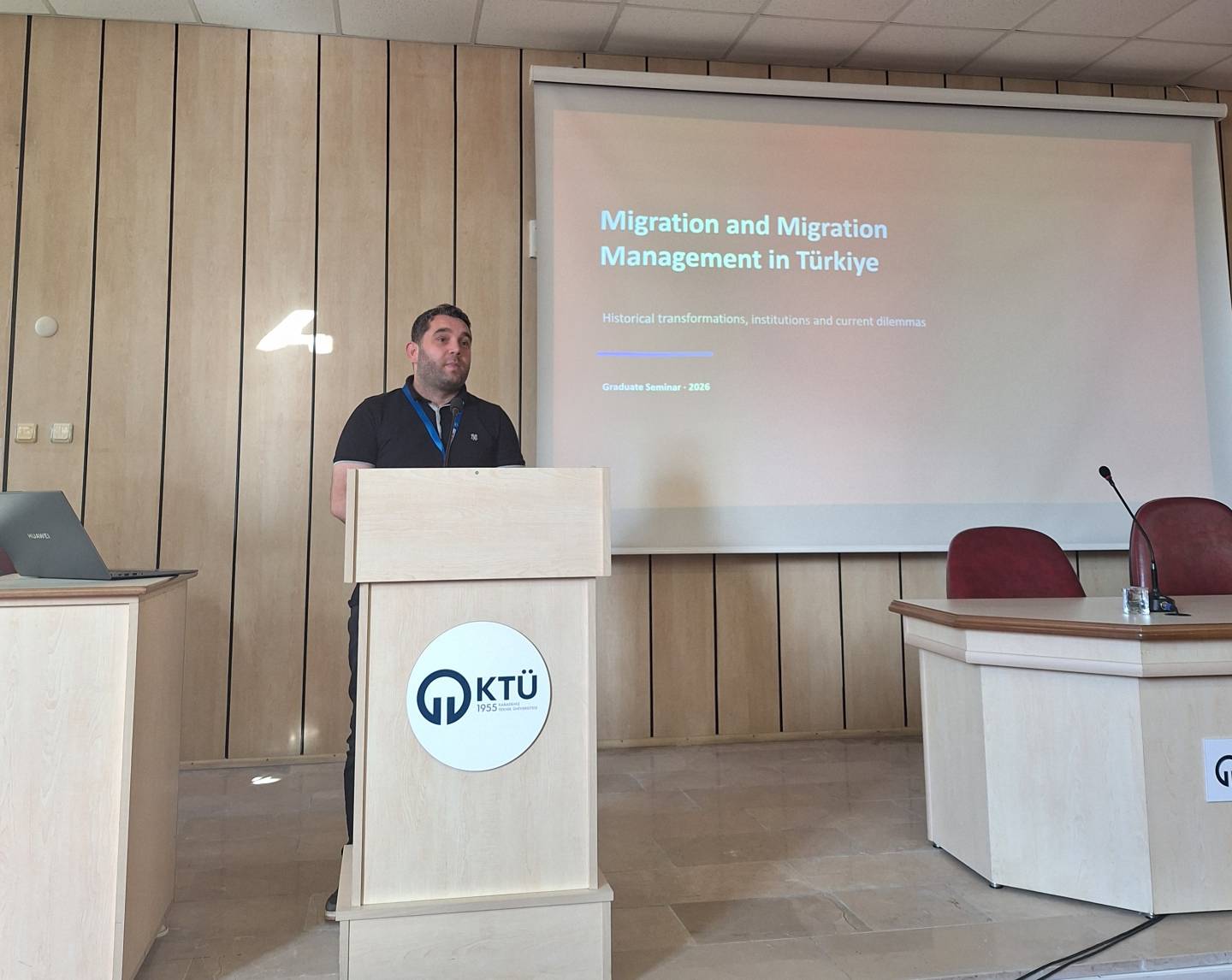
The physical program launched with an opening address and introductory lecture on fundamental migration terminology by the organising BIP coordinator Lect. Onur Aydın, followed by an overview of migration management in Türkiye delivered by Assoc. Prof. Dr. Hüseyin Yadigaroğlu, head of KTU’s Migration Studies Department.
Throughout the week, participants engaged in a series of thematic seminars and workshops:
Media & Discourse: A hands-on workshop examining media representations of migrants and cross-cultural attitudes toward displacement led by Lect. Onur Aydın encouraged students to develop a critical approach to the representations of migrants and migration in the media.
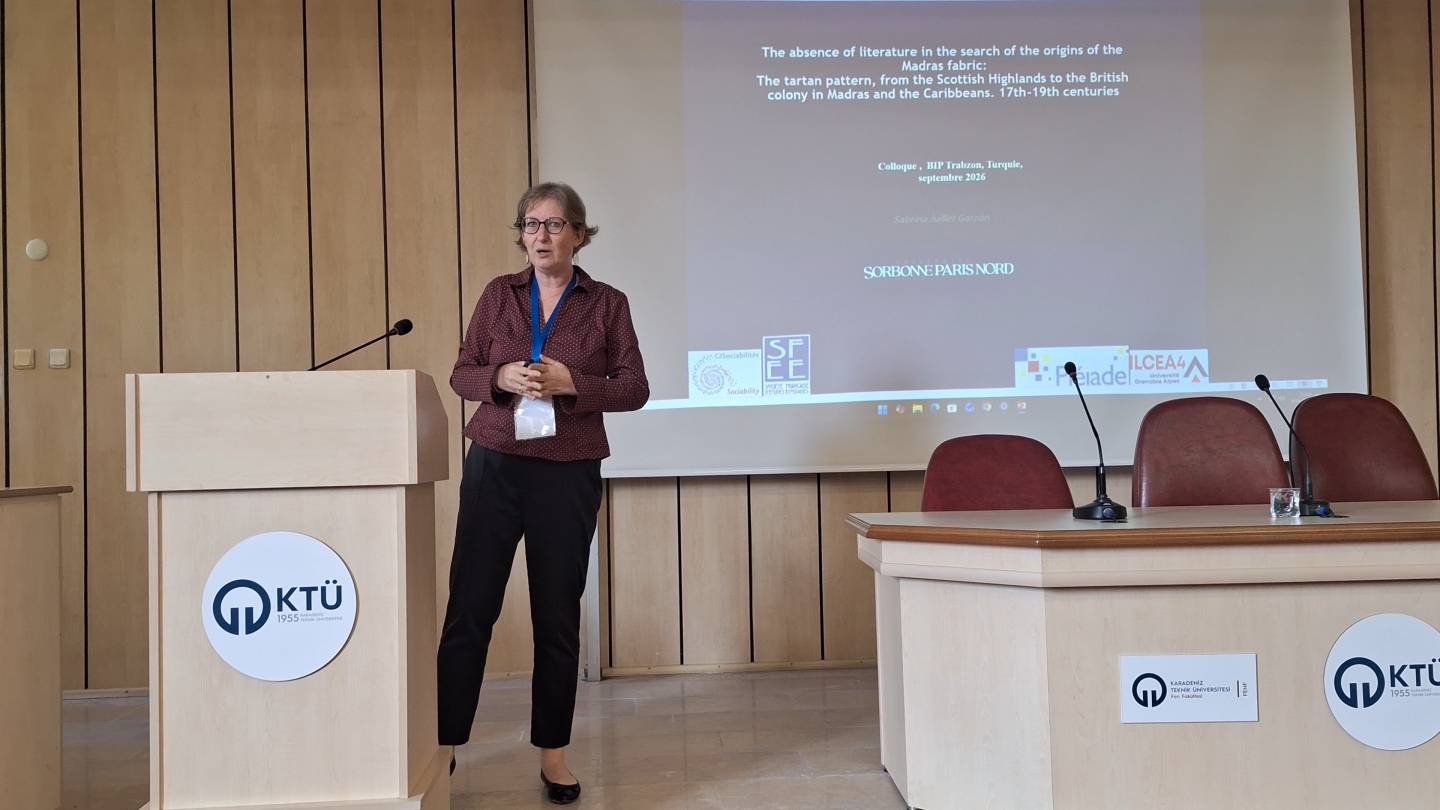
Historical & Colonial Perspectives: A seminar by Prof. Dr. Sabrina Juillet Garzón (Université Sorbonne Paris Nord, Dean of UFR LLHS) detailing the historical trajectory of Scottish tartan across 18th- and 19th-century colonial networks highlighted migration as an ever-existing phenomenon, and demonstrated how culture migrates along with communities.
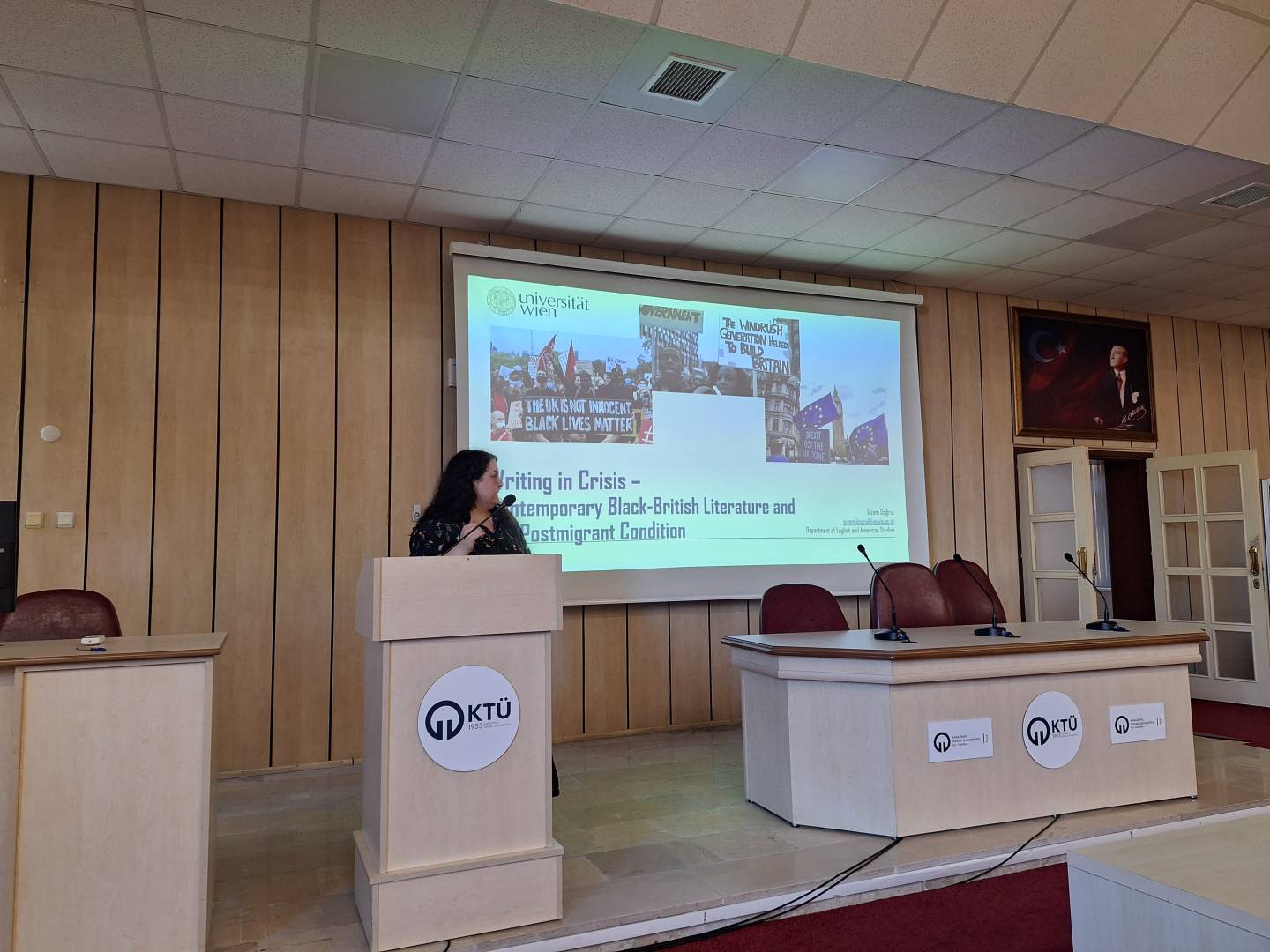
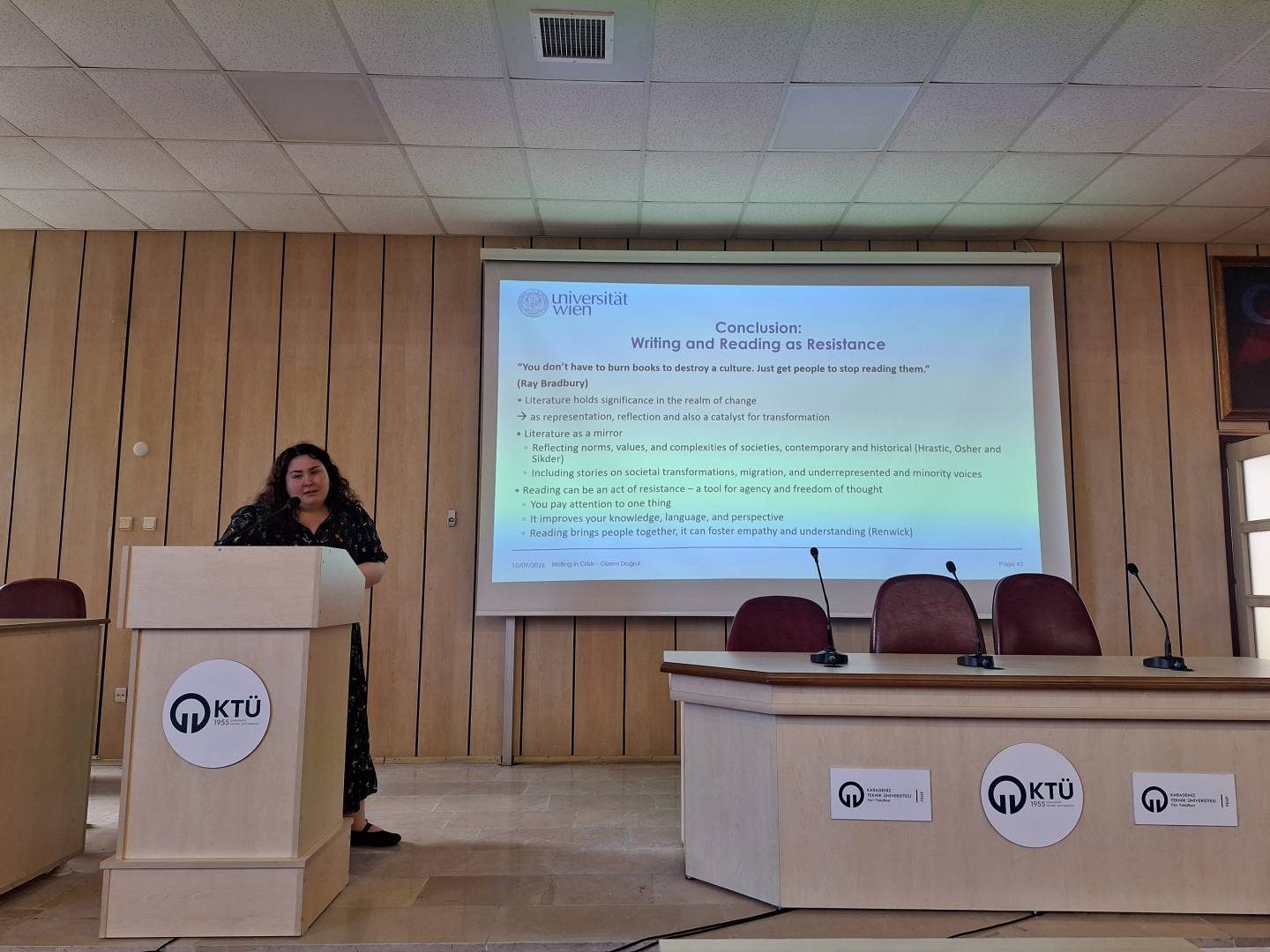
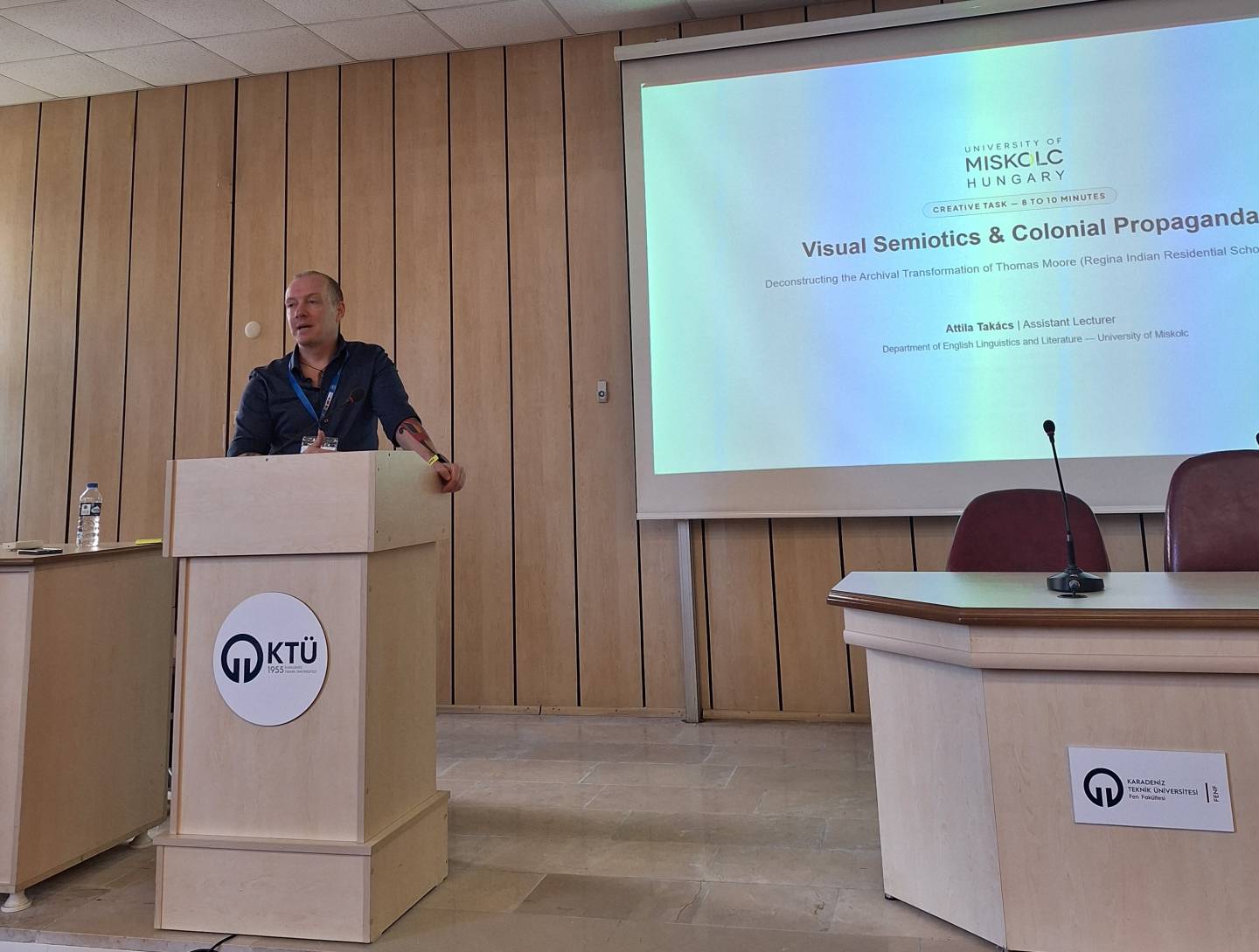
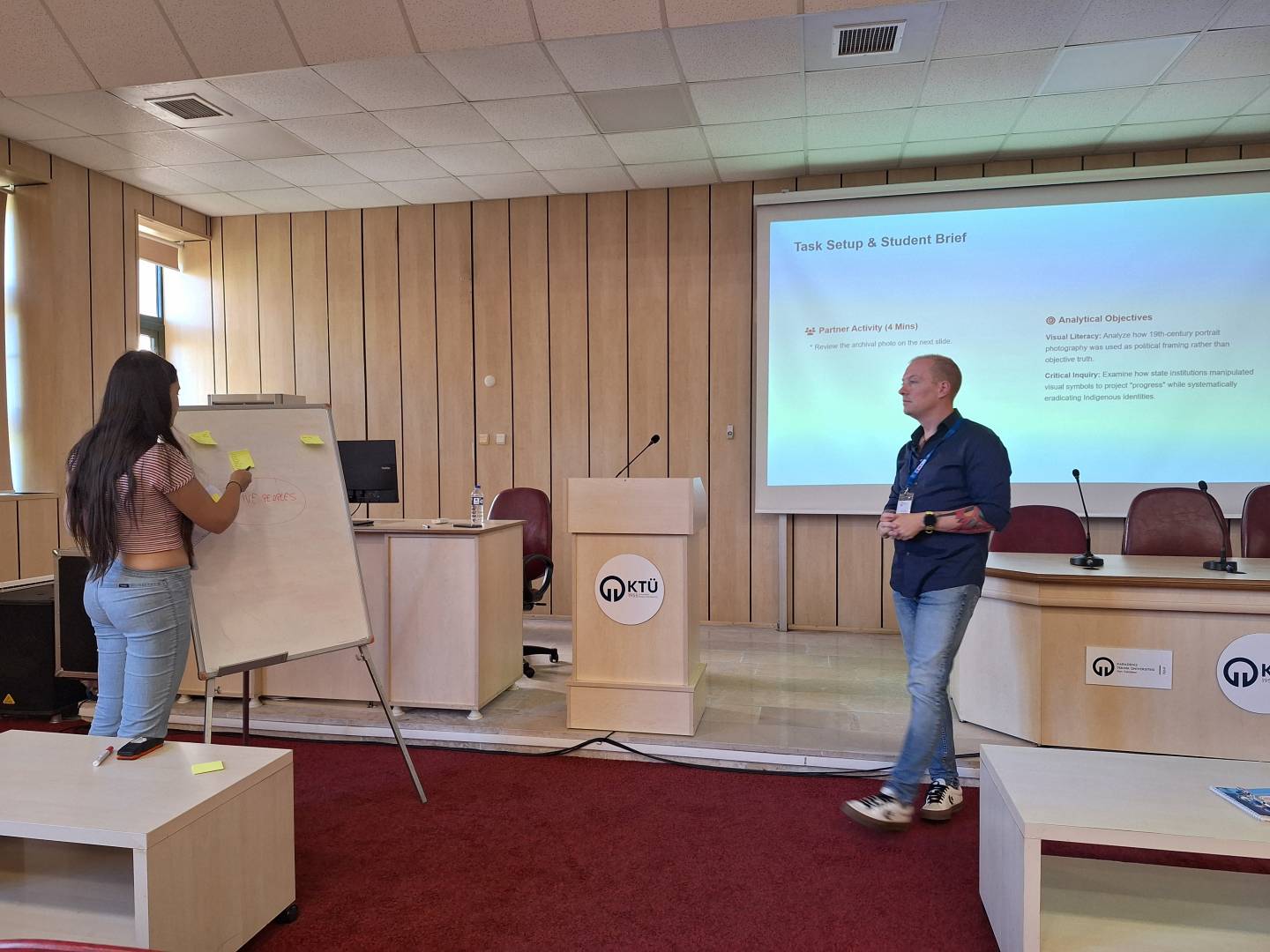
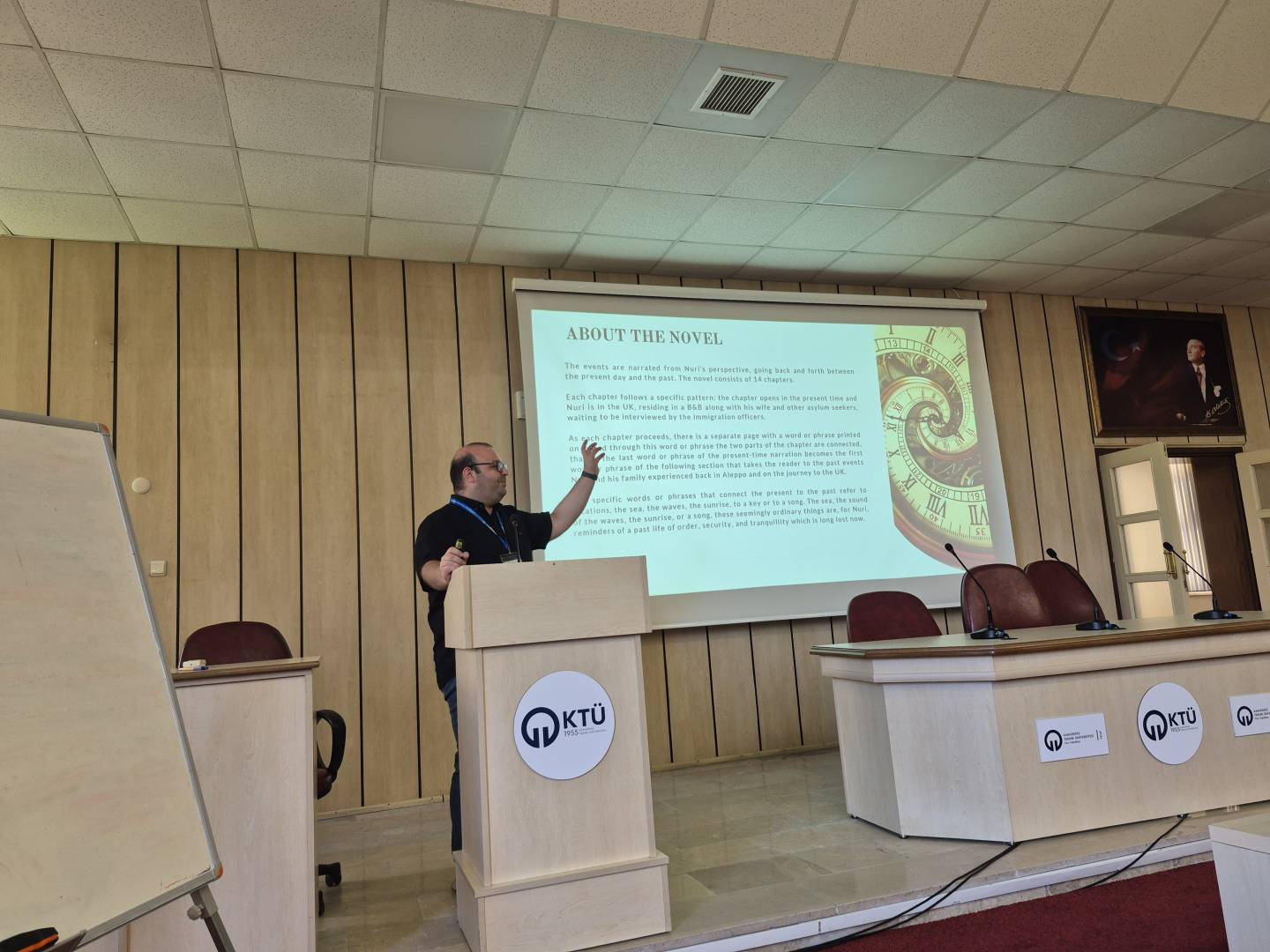
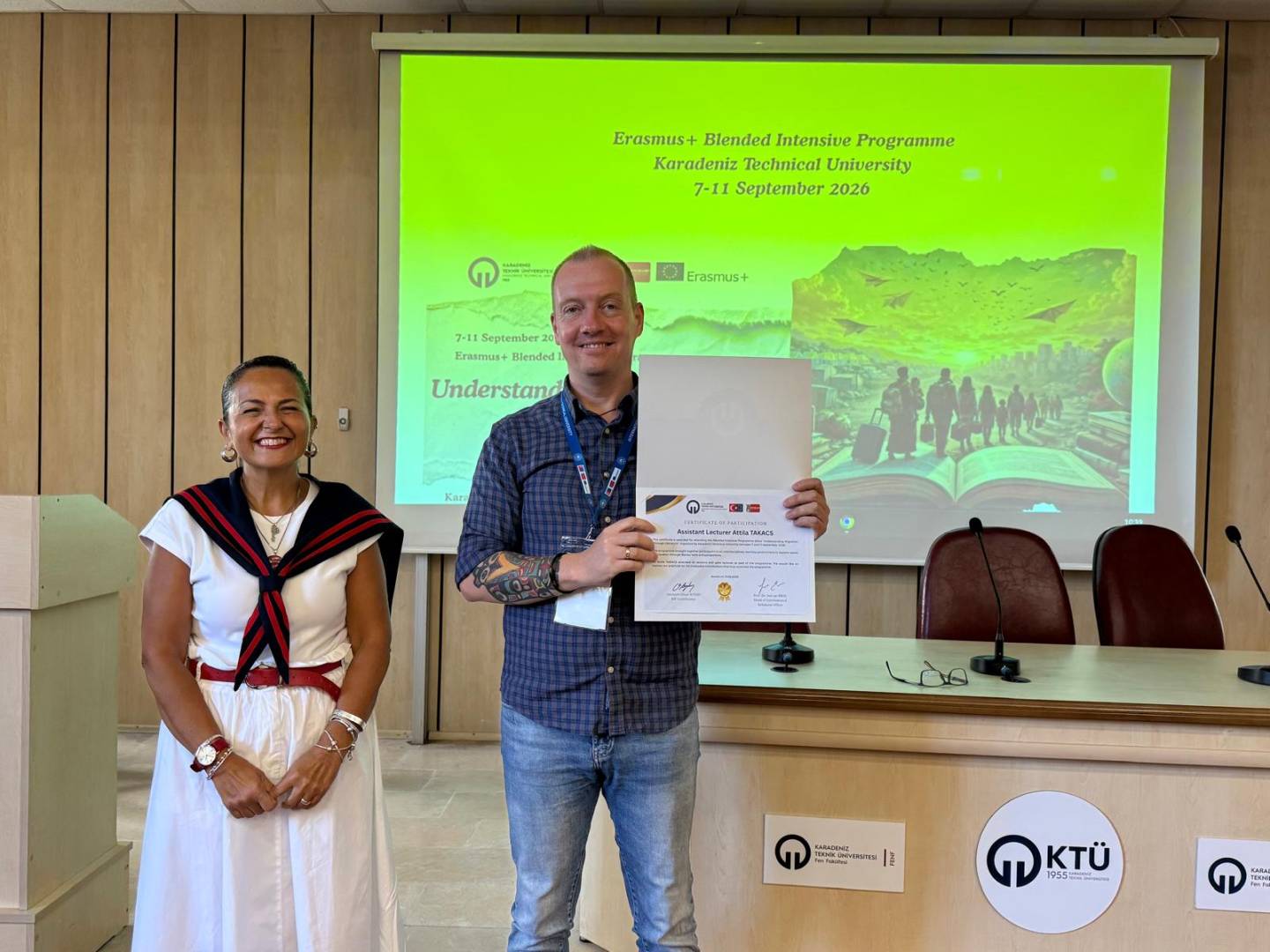
Postmigrant & Indigenous Literatures: Lectures by PhD Researcher Gizem Doğrul (University of Vienna) on contemporary Black-British writing and postmigrant conditions, alongside Assistant Lect. Attila Takács (University of Miskolc) on forced assimilation and Canadian Indigenous experiences helped contextualise the theme of migration in different settings and historical periods. Participants also analysed and discussed the theme of migration in literary works in a lecture led by Lect. Onur Aydın.
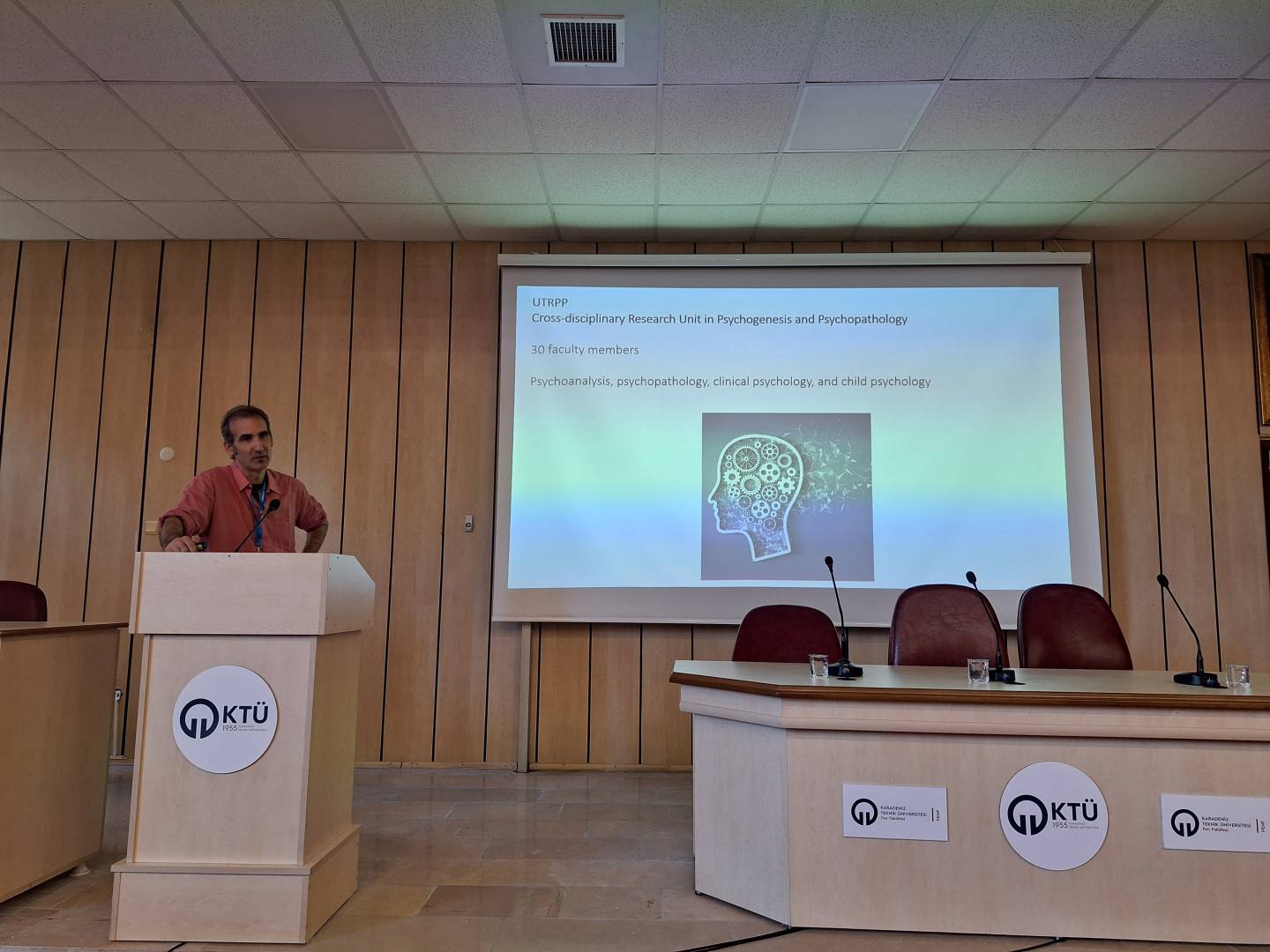
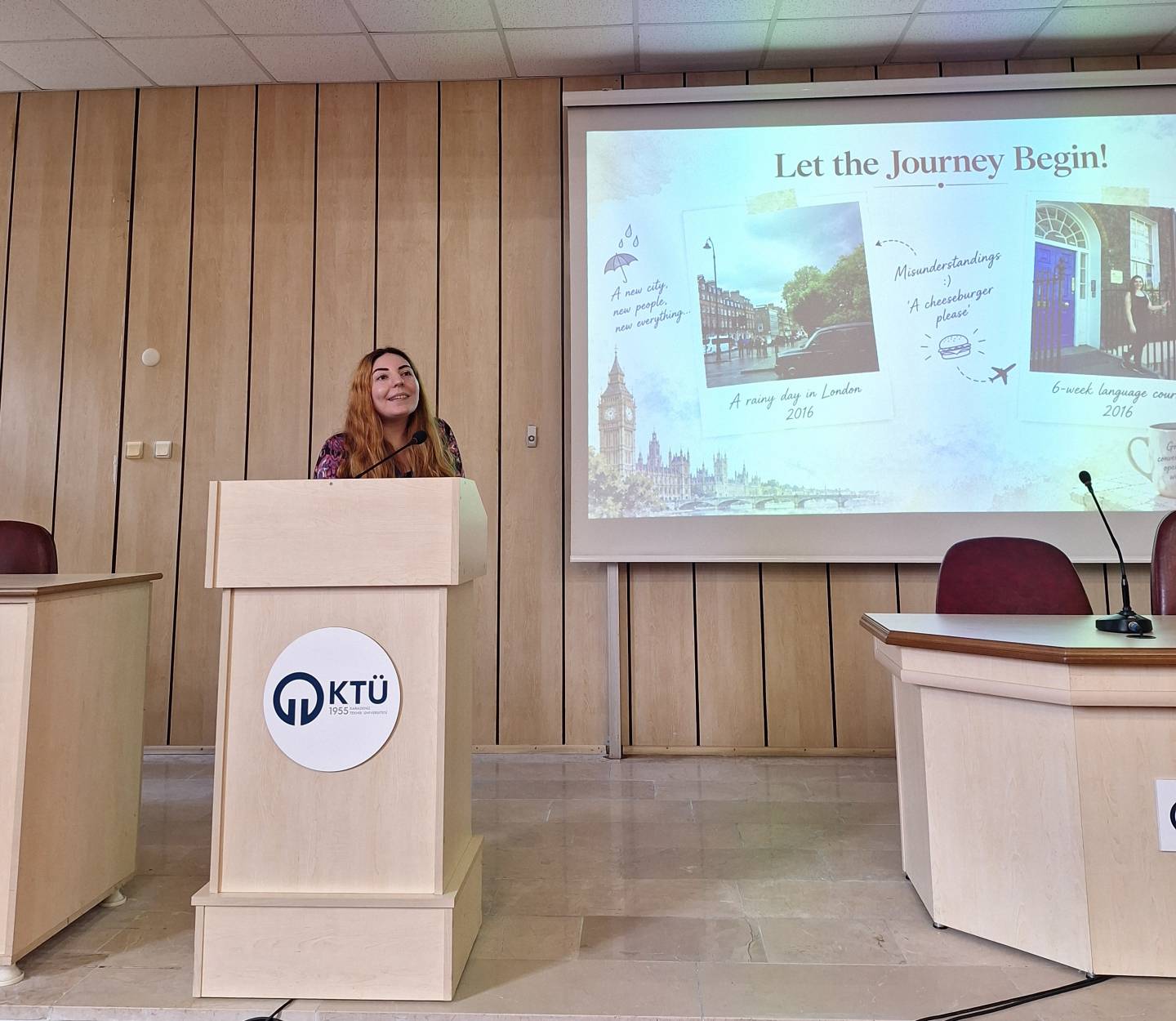
Personal Narratives: An experience-sharing session led by Assist. Prof. Dr. Yeliz Vural from KTU Psychology Department, reflecting on international student mobility and lived migration stories.
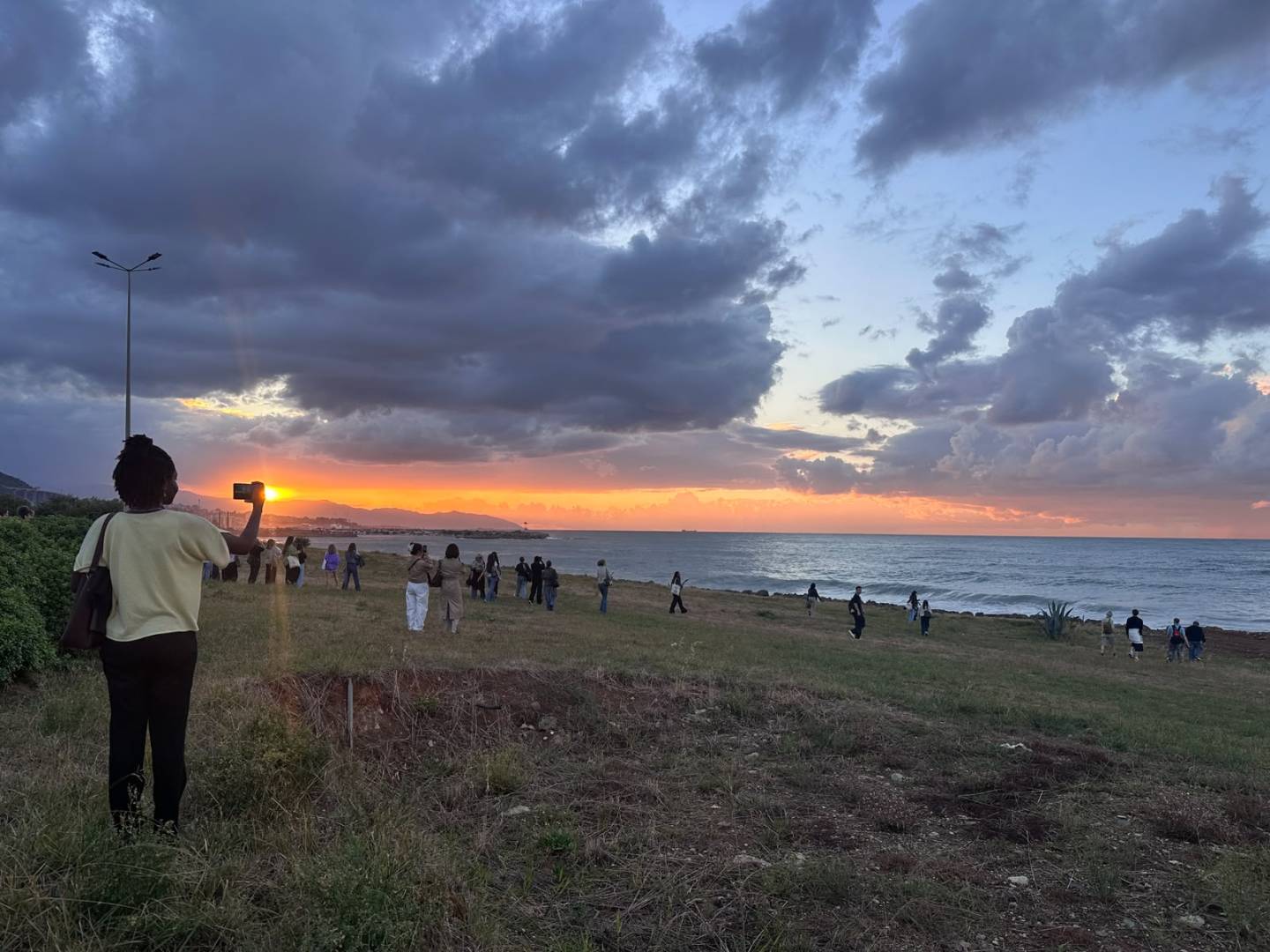
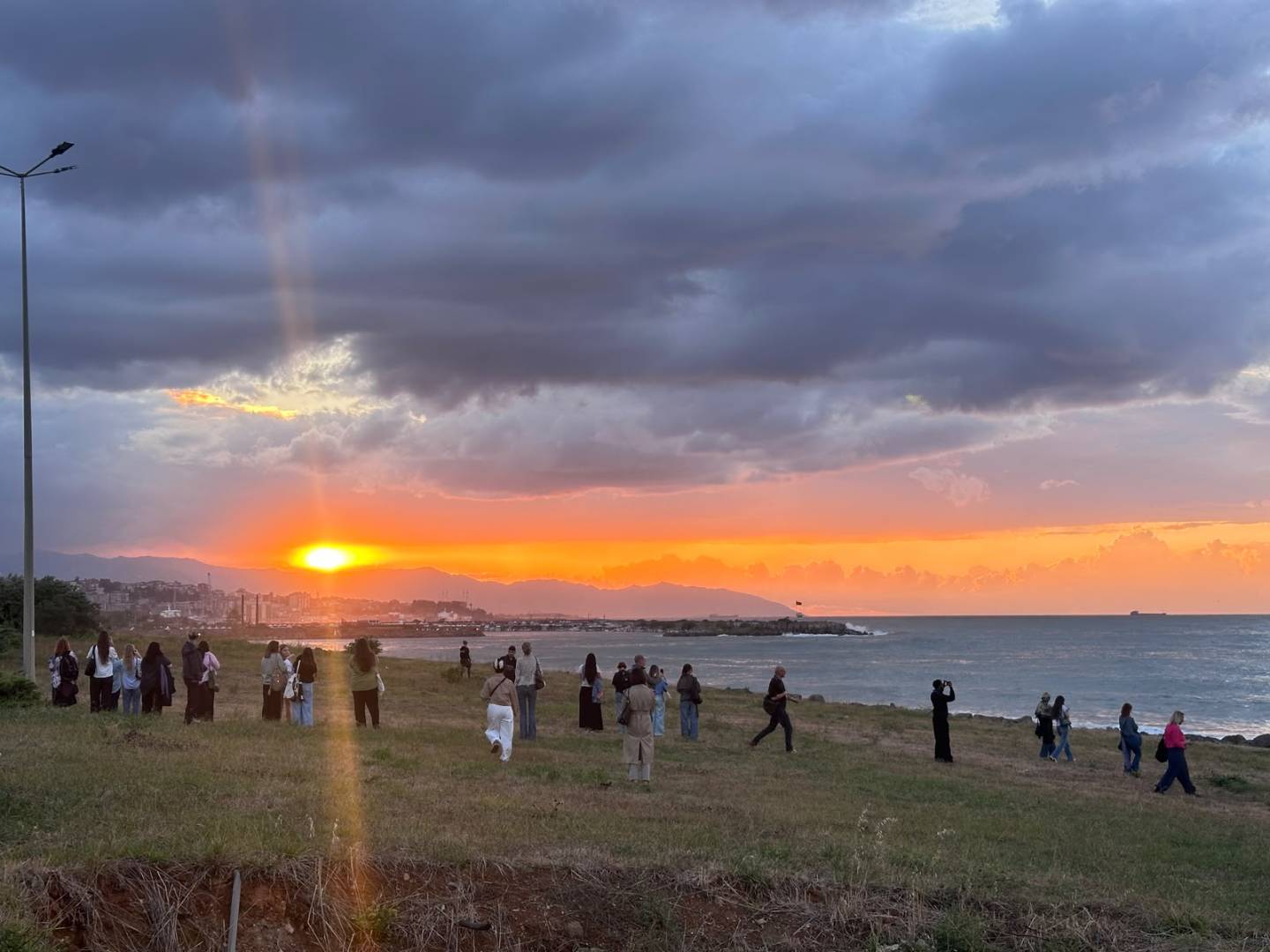
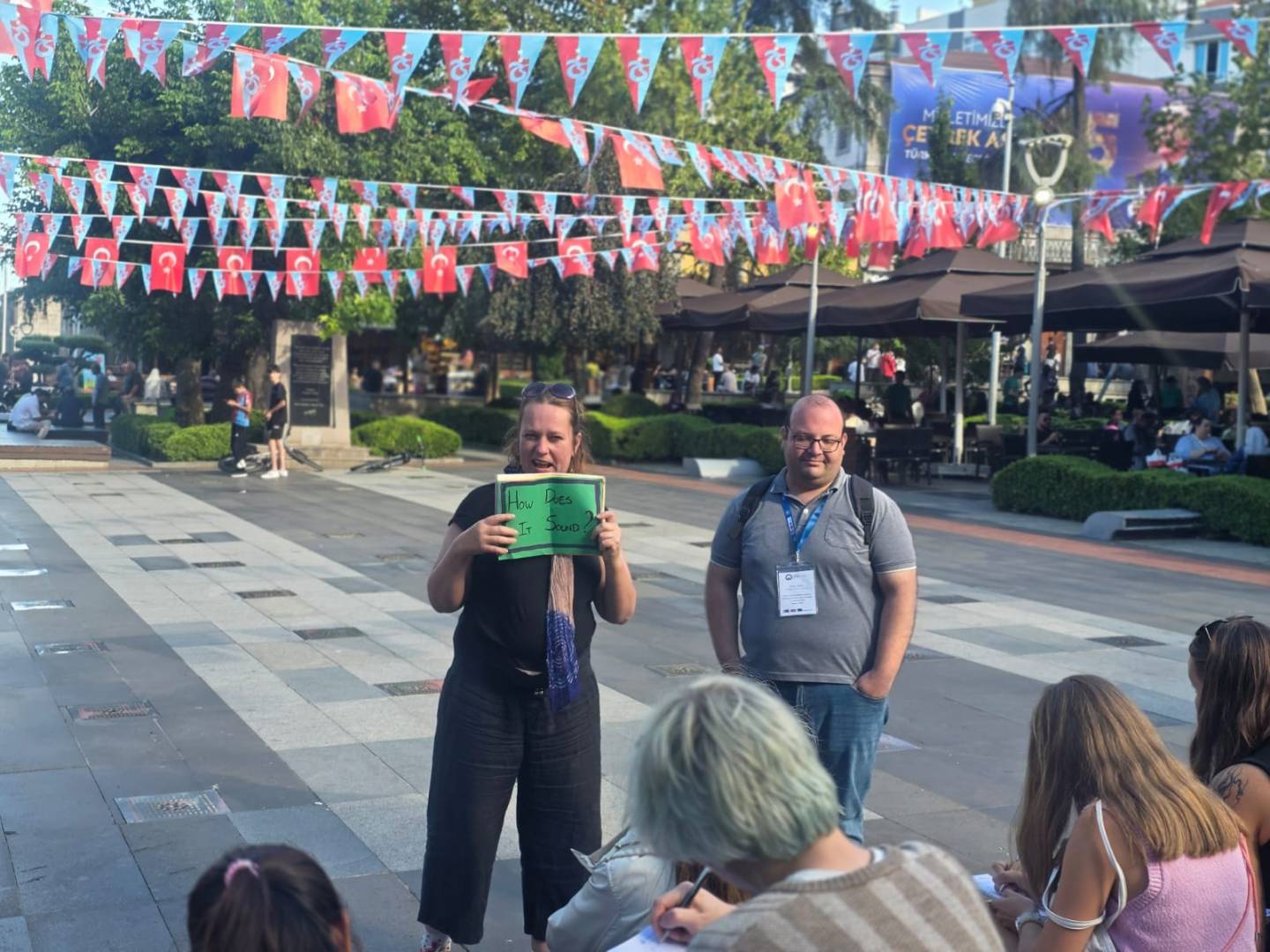
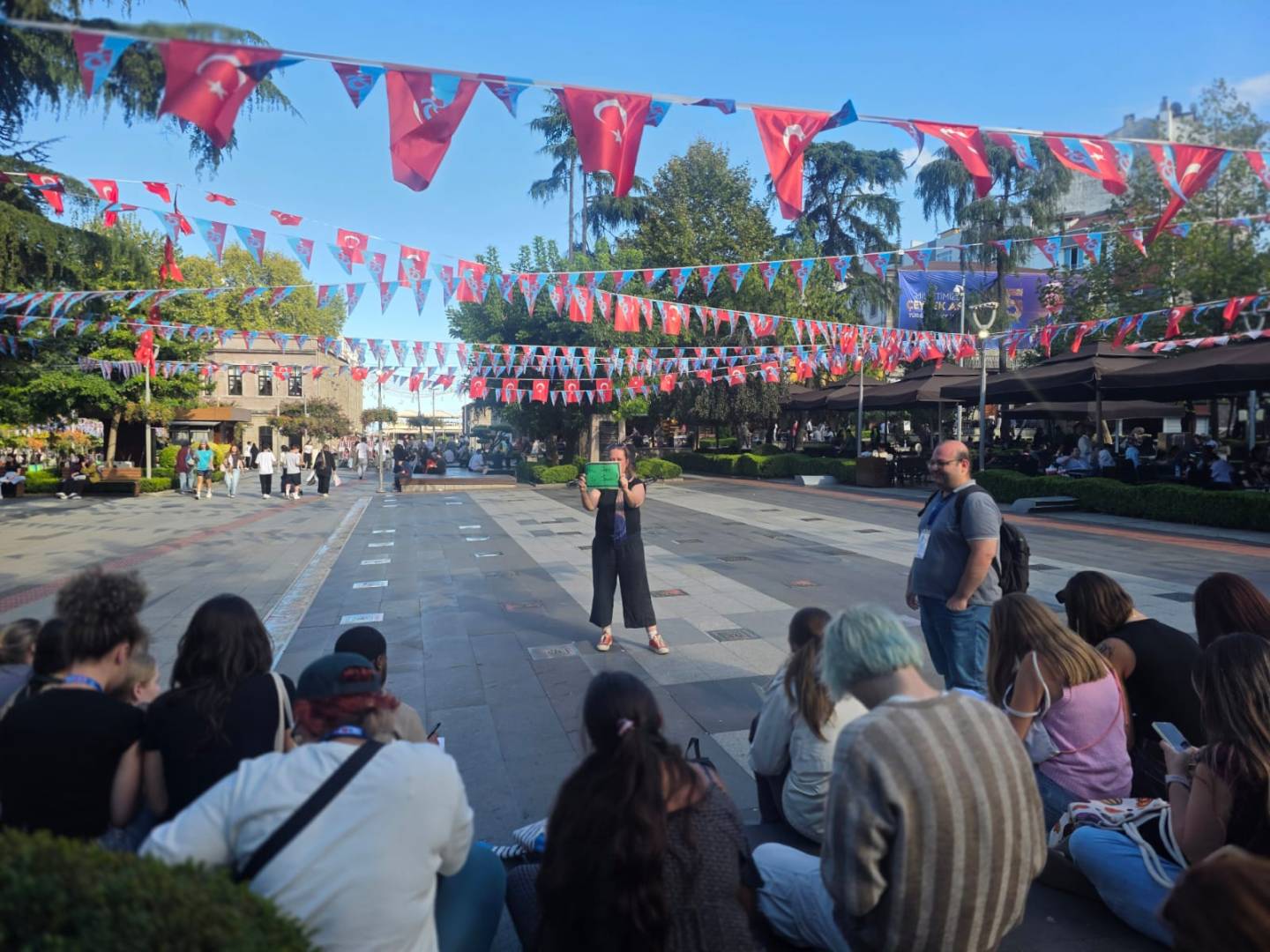
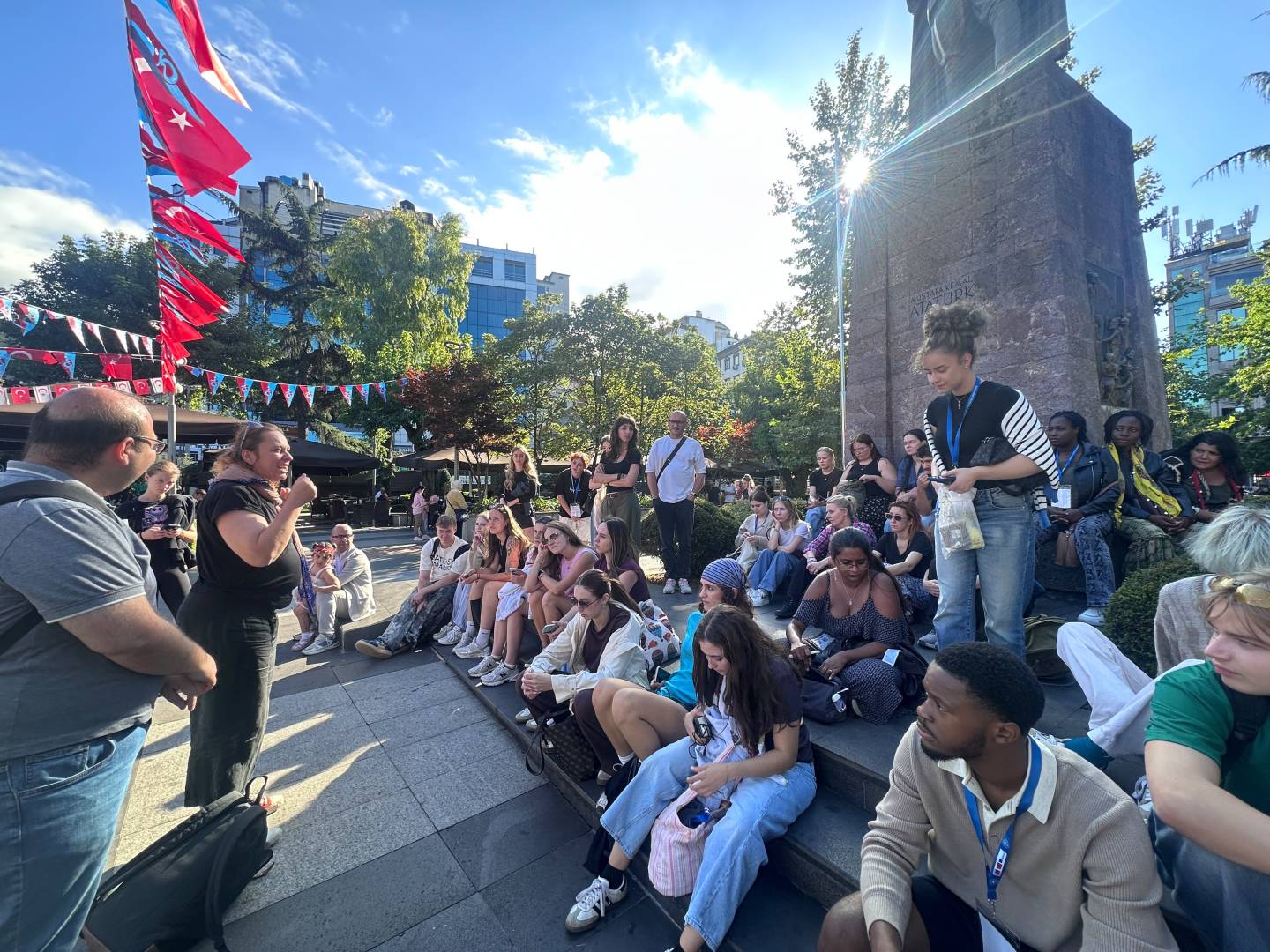
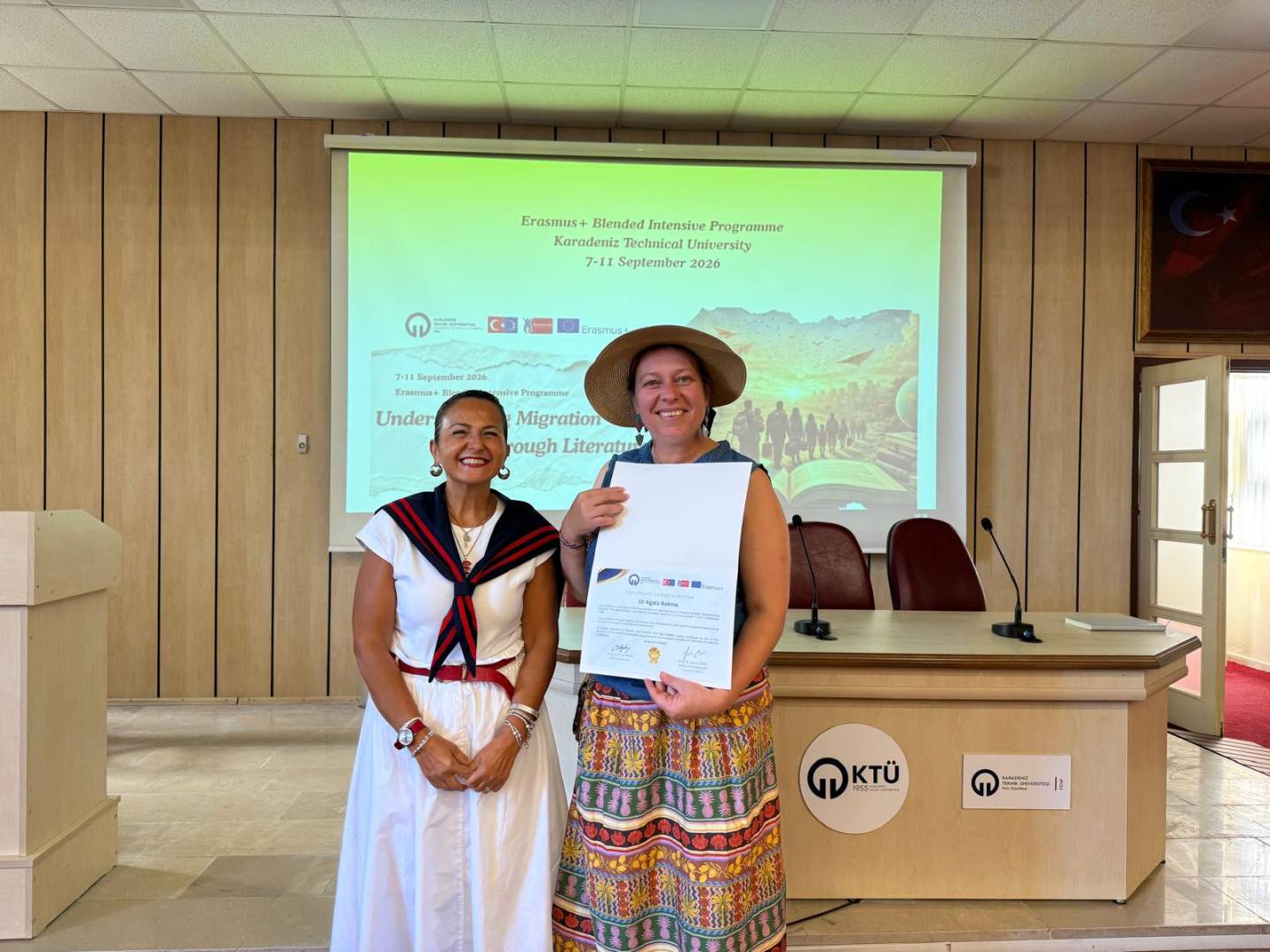
Creative Writing Workshops: To encourage socialisation of participants and help them bring out their creativity, Dr. Agata Babina led two sessions of creative writing workshop, a mini exploratory session outdoors in the heart of Trabzon, and the main session in the auditorium. Participants observed the cityscape through their senses and made notes, based on which they created stories of 50 words. In the main session, participants teamed up to create a collage poem with each line cropped from a different poem. As the final task of the workshop, participants were encouraged to write their own poetry.
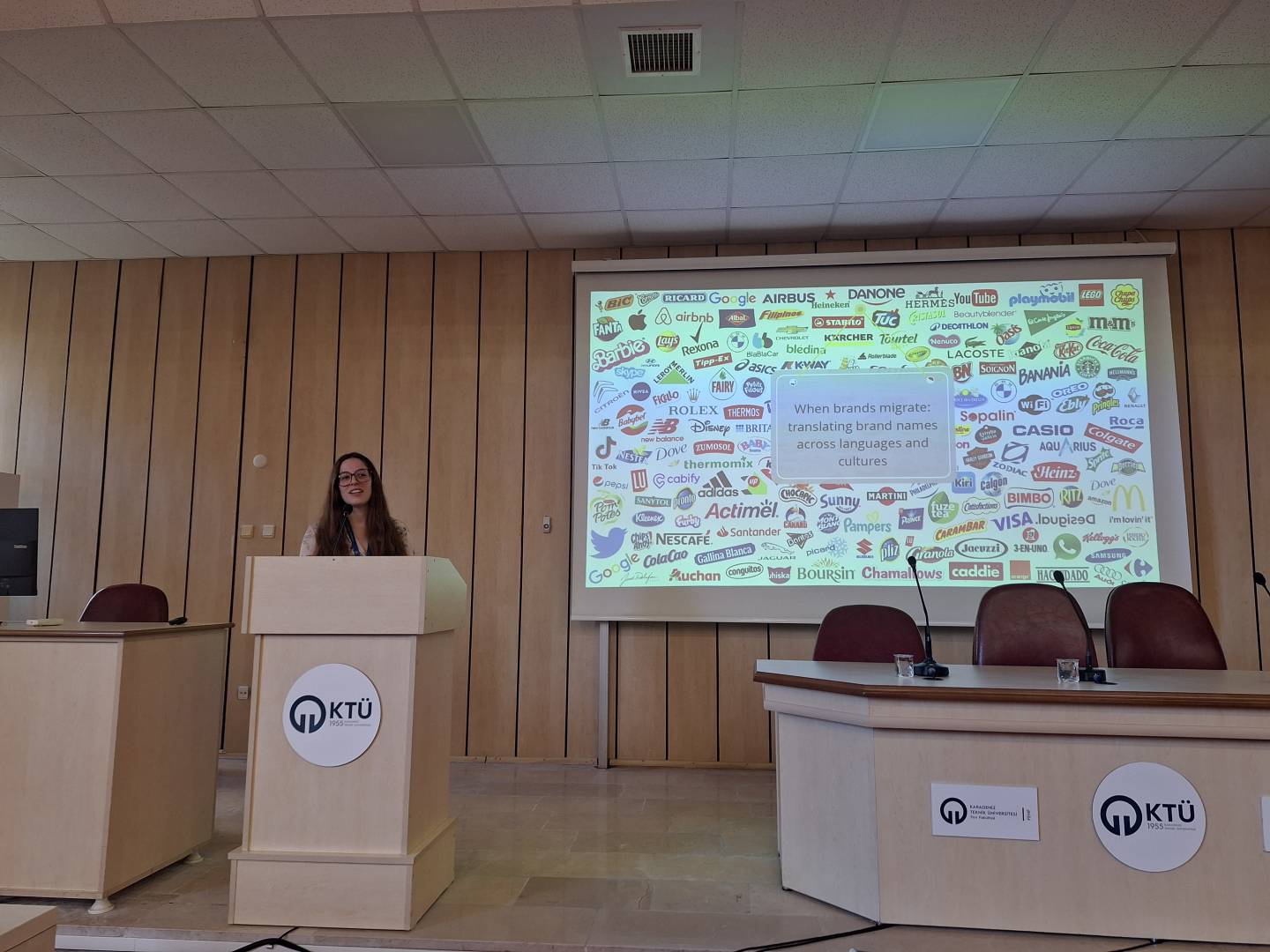
Guest Presentations: Prof. Dr. David Sillam-Dusses, Vice-Director for Research at UFR LLHS of Université Sorbonne Paris Nord, shared information on research activities of his faculty in the general context and presented his own research to the audience. Another guest presentation was made by Natalia Soler Cifuentes, titled "Translating Brand Names: When Brands Migrate".
Interdisciplinary Practice and Cultural Exchange
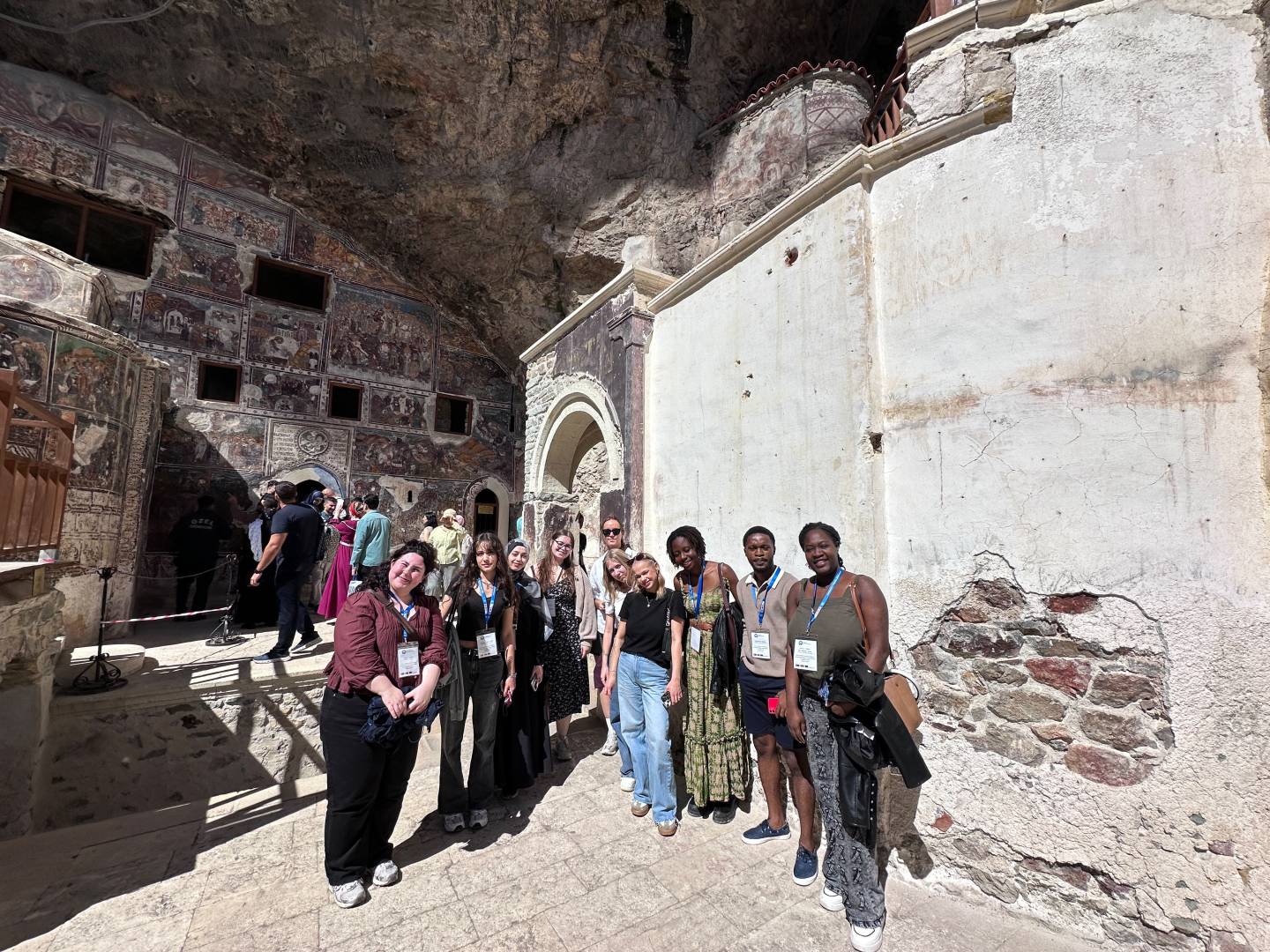
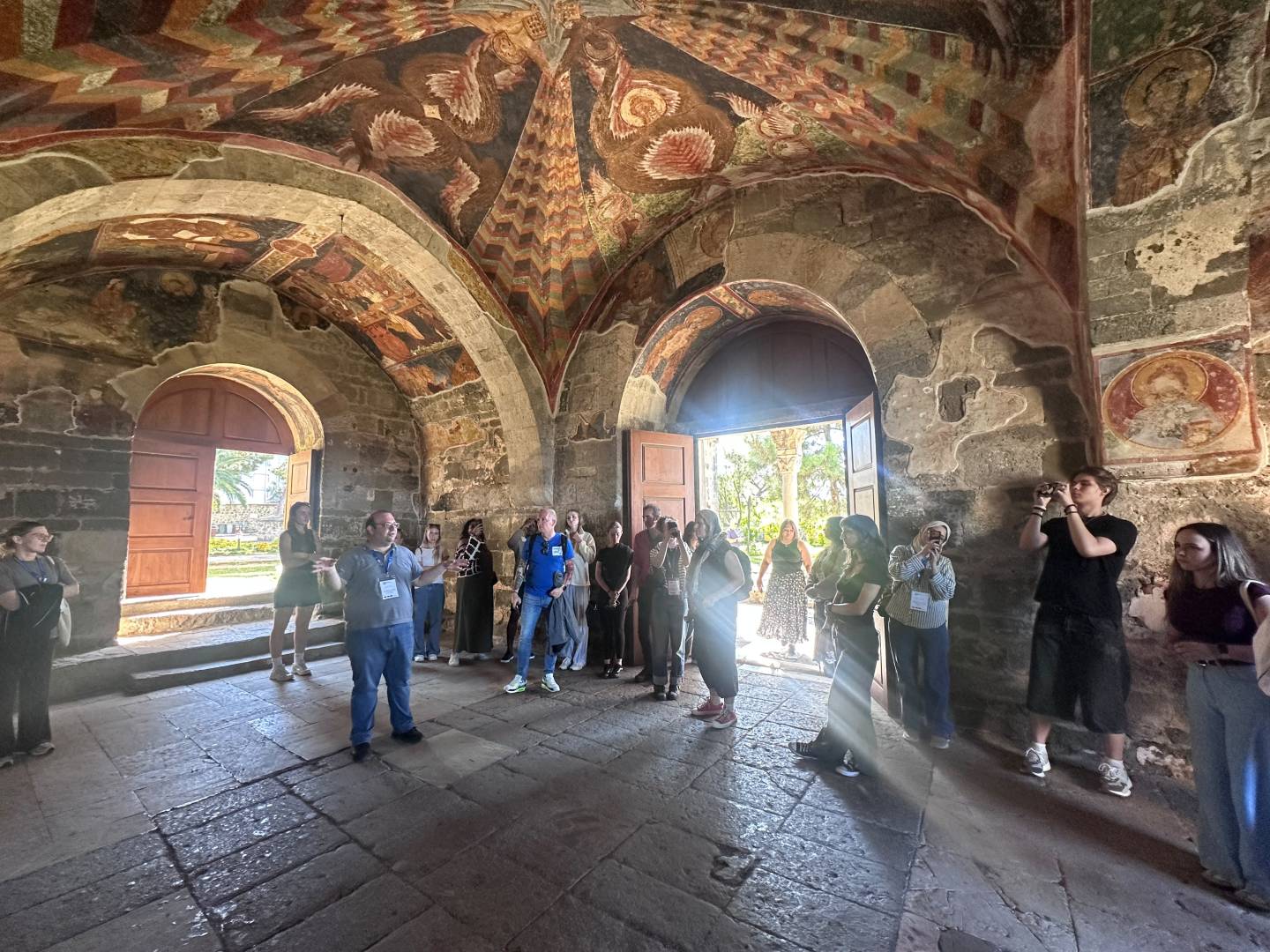
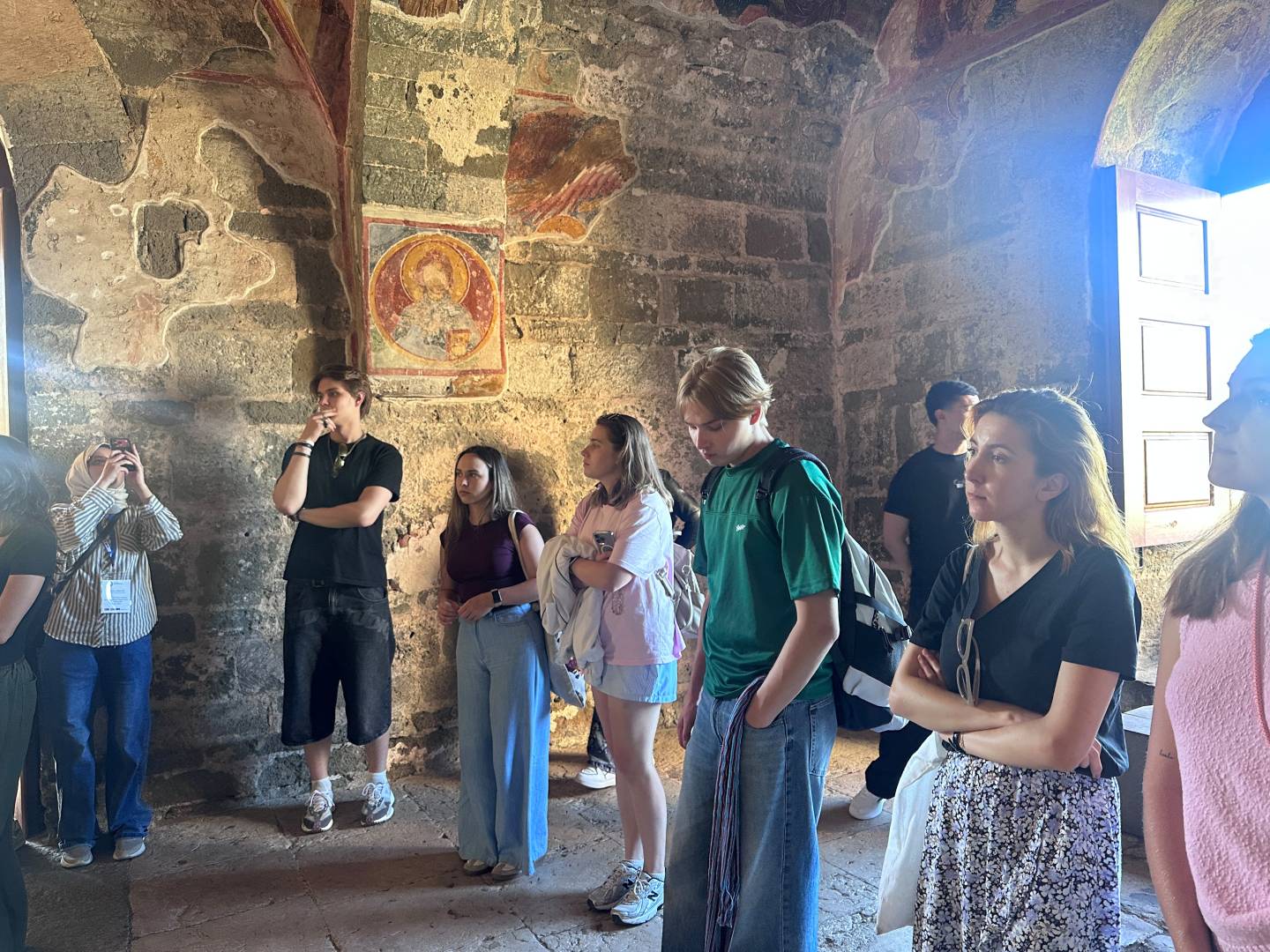
Beyond interactive lectures, the curriculum featured text-based discussions of selected poetry and short fiction, and creative writing workshops organised by Dr. Agata Babina of Riga Technical University Liepaja Academy, participants also explored Trabzon’s historical landmarks during a guided city tour designed to contextualize cultural heritage within broader movement and history.
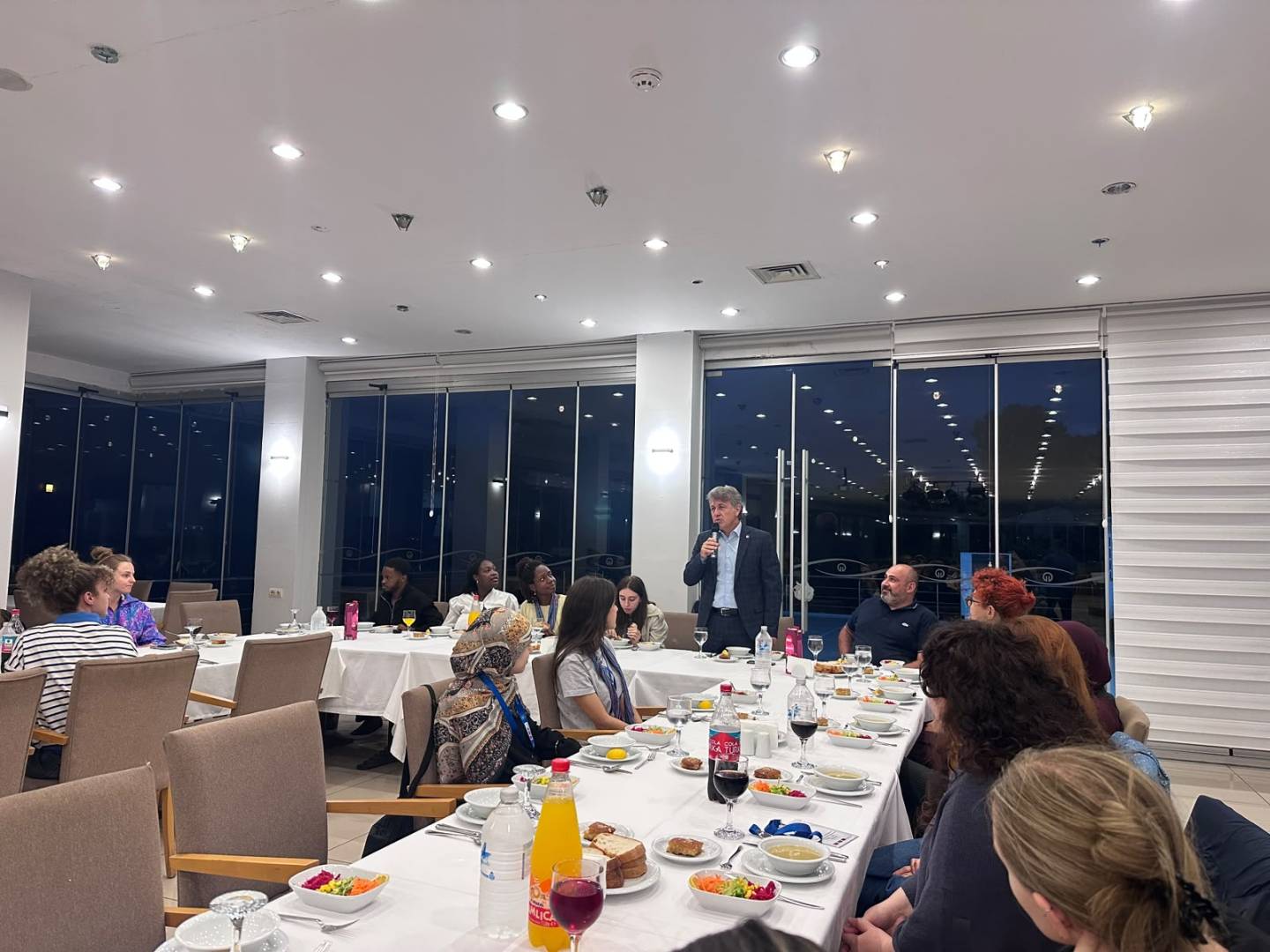
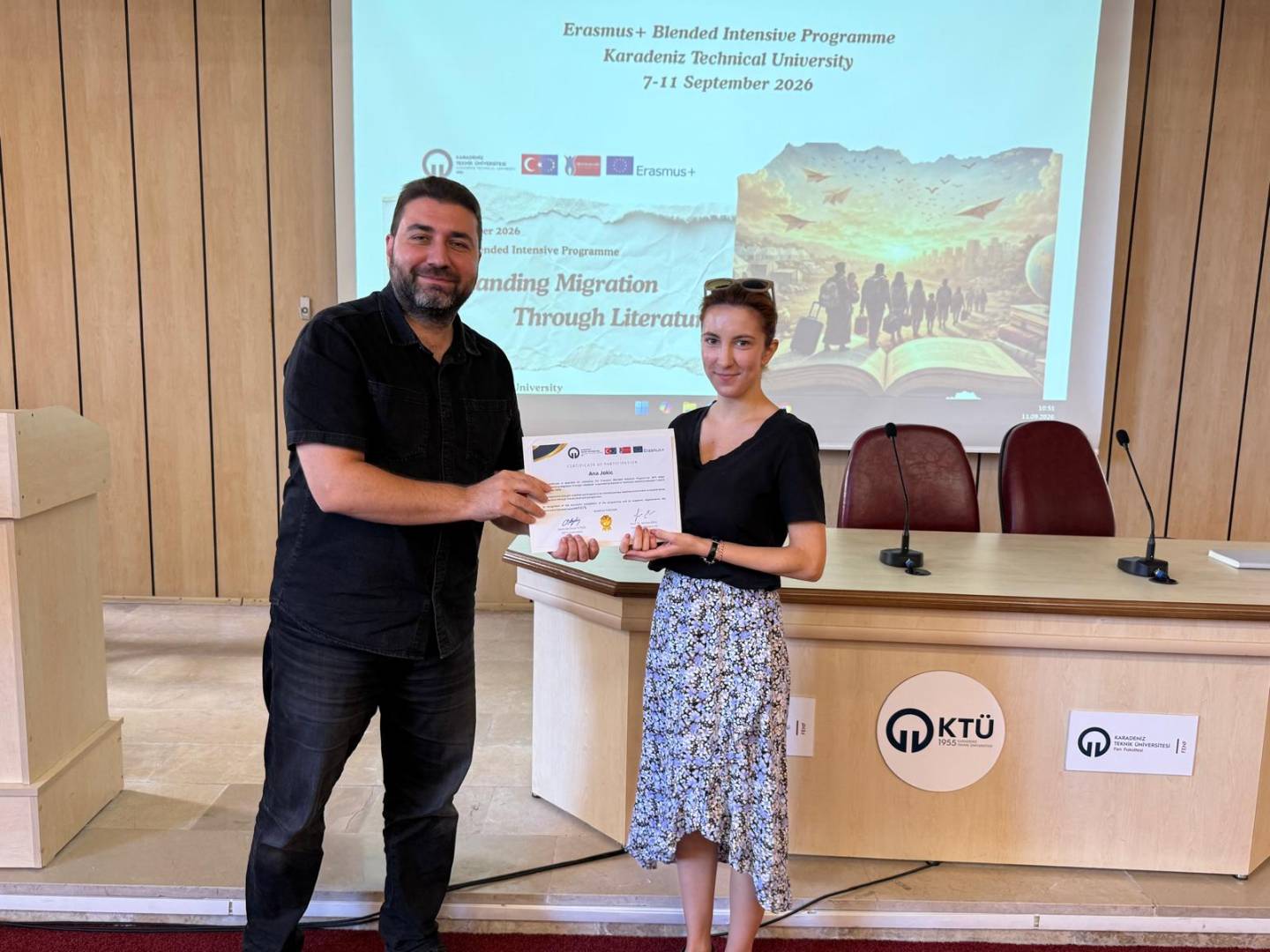
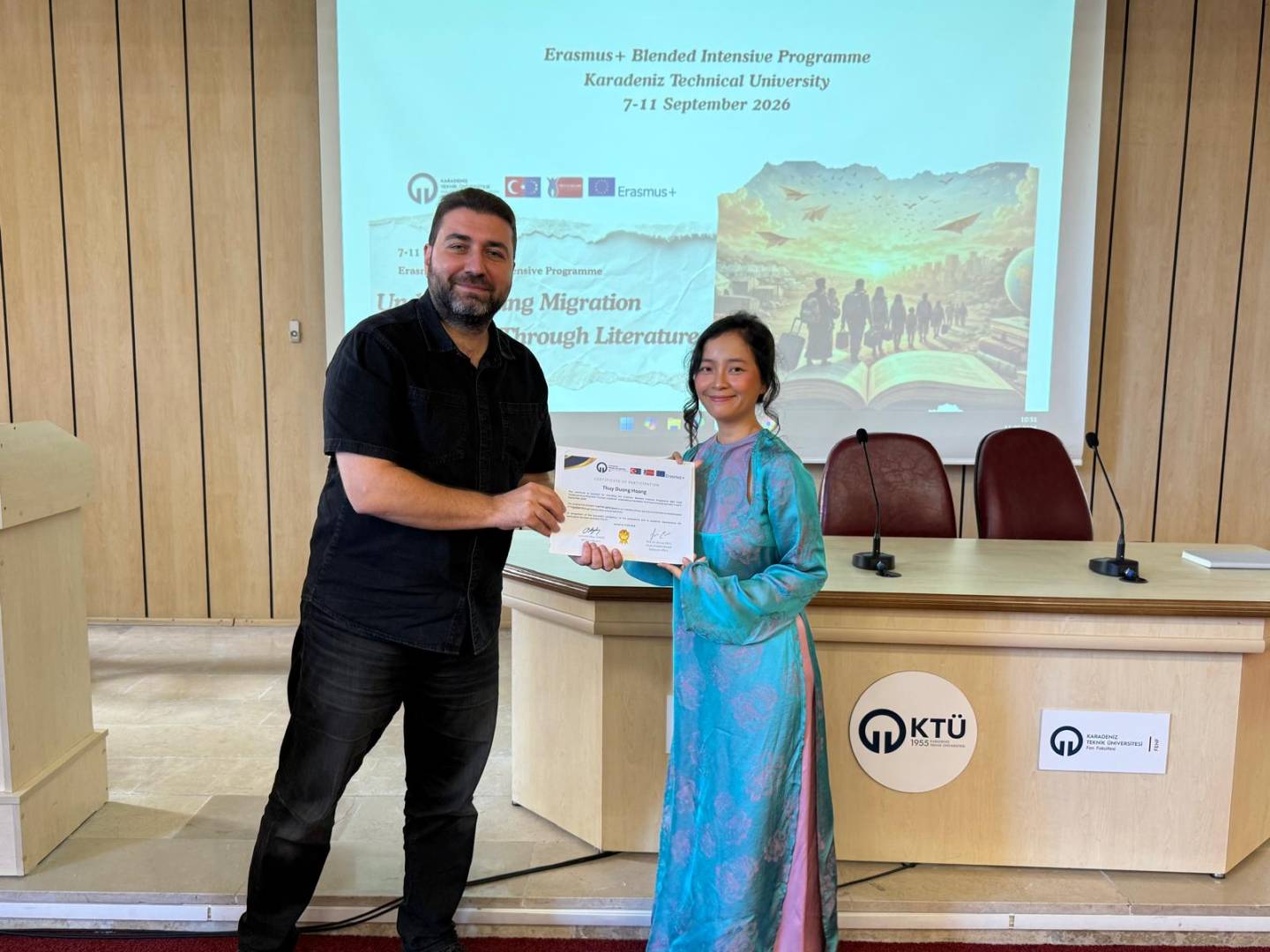
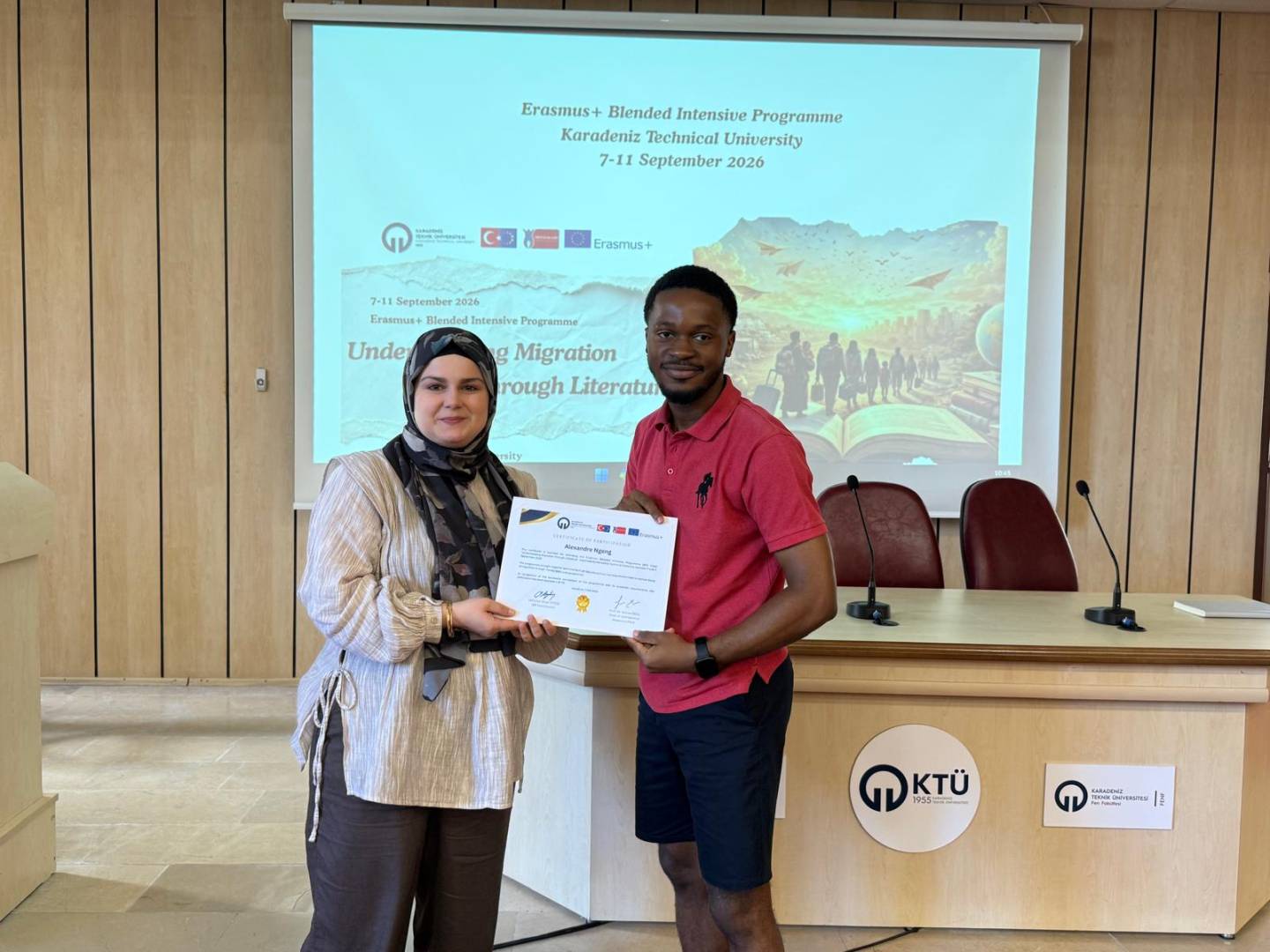
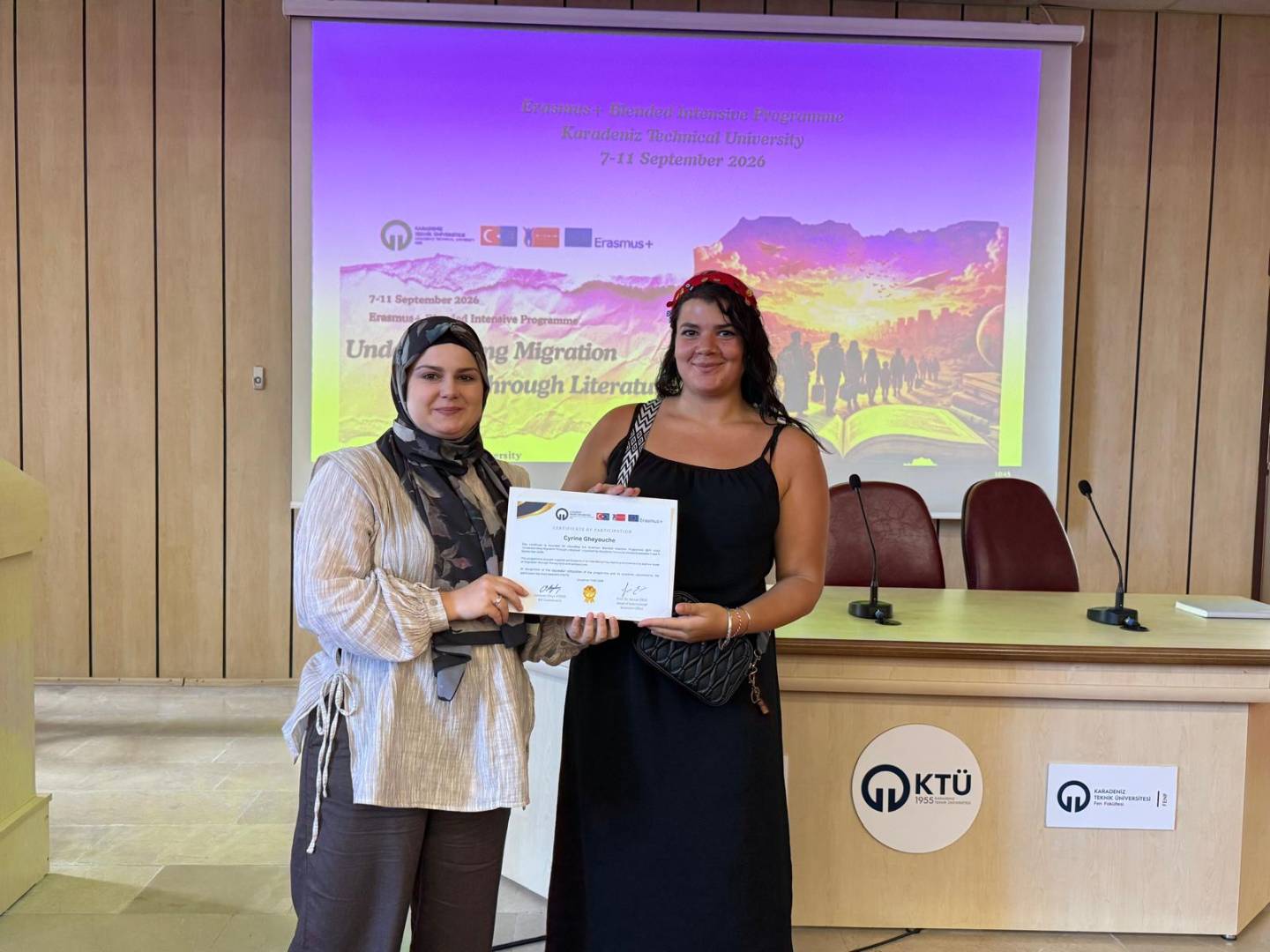
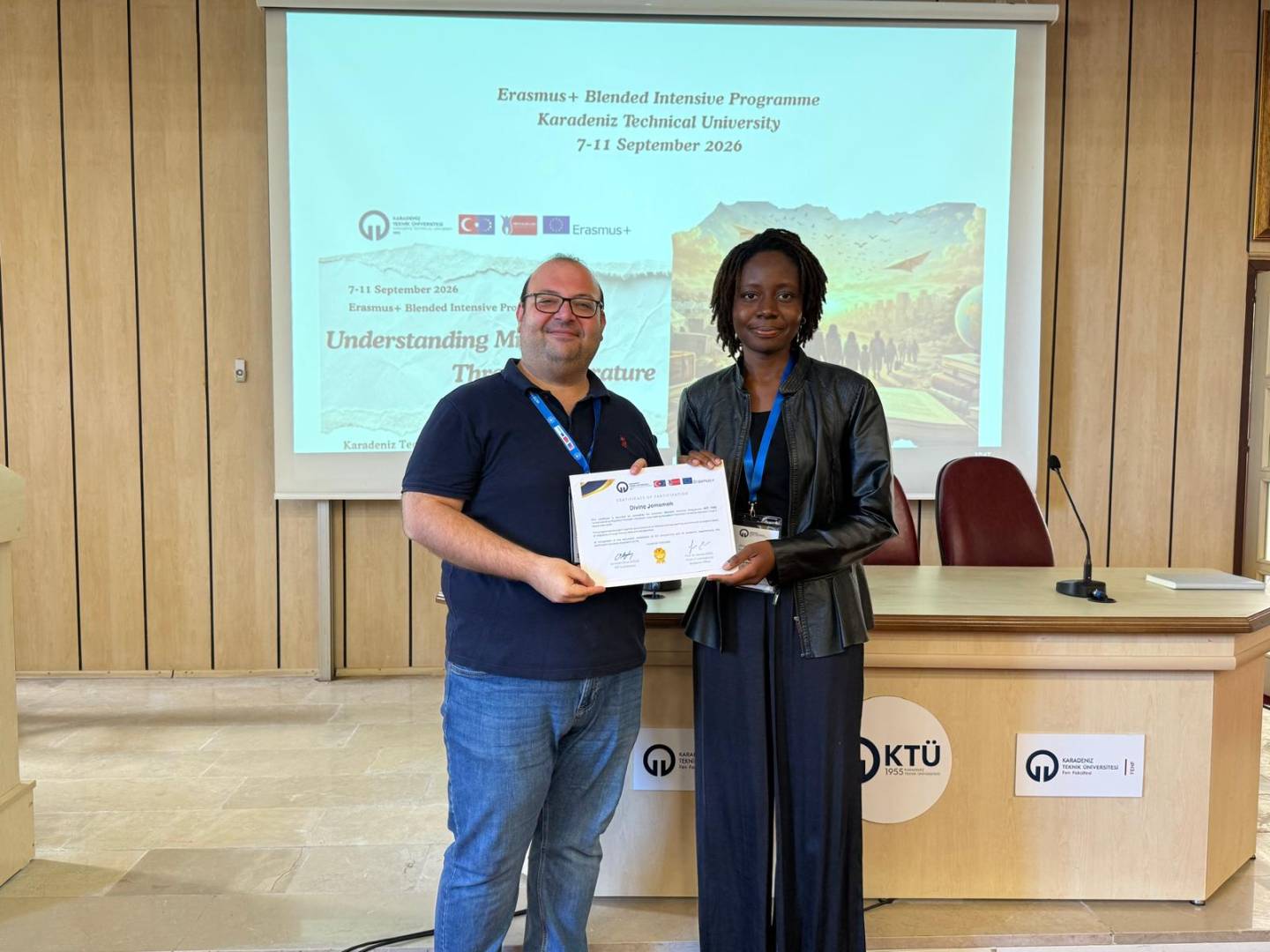
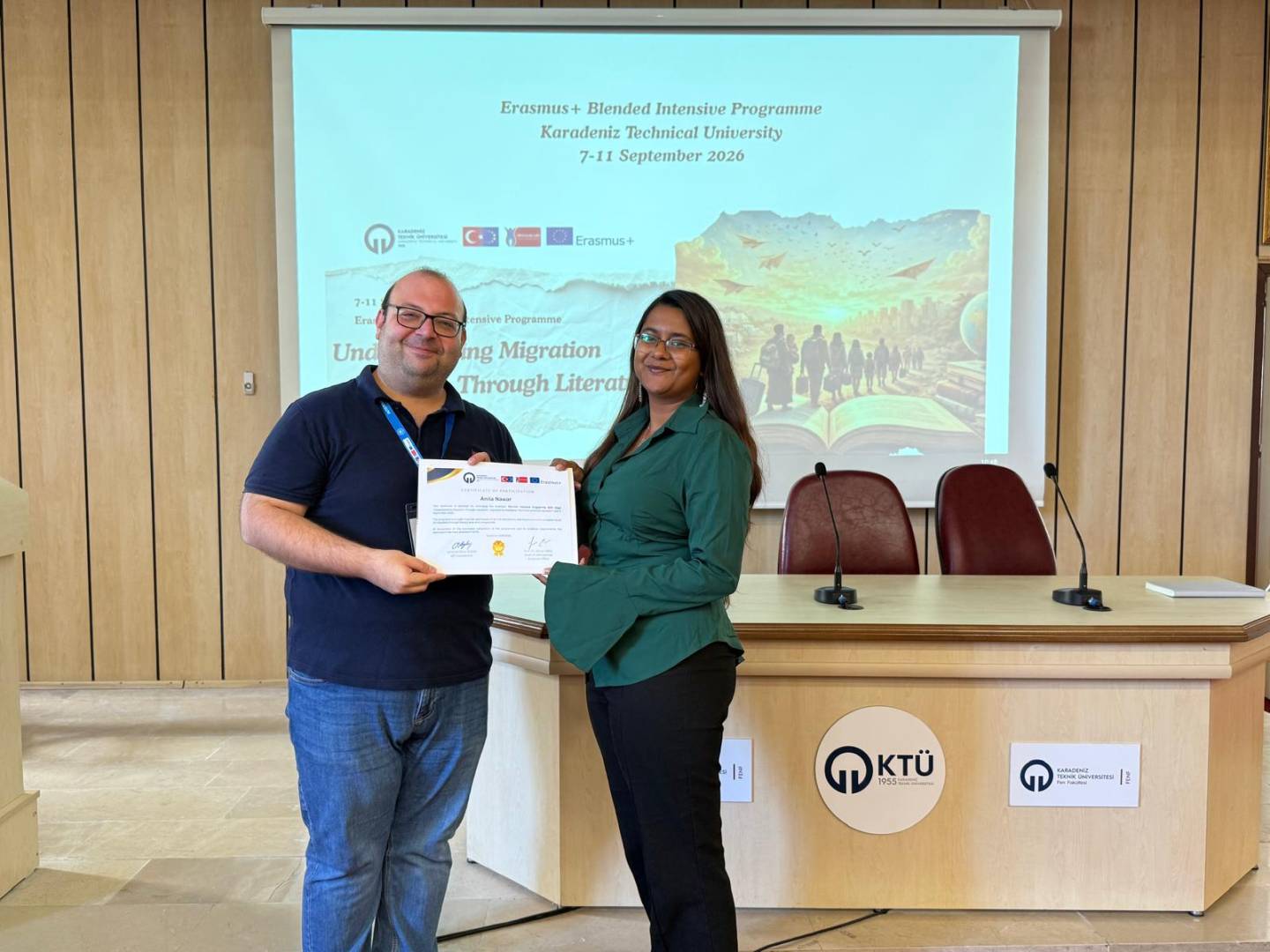
Organised by KTU’s Office of Exchange Programs in collaboration with European partner universities—including institutions from France, Poland, Croatia, Estonia, Romania, Slovenia, Latvia, Bulgaria, Hungary, and Austria—the initiative highlights the role of literature as a tool for cross-cultural empathy and academic inquiry. The program concluded on September 11 with a reflective synthesis session and the awarding of participation certificates.
List of Participating Universities:
15 September 2026
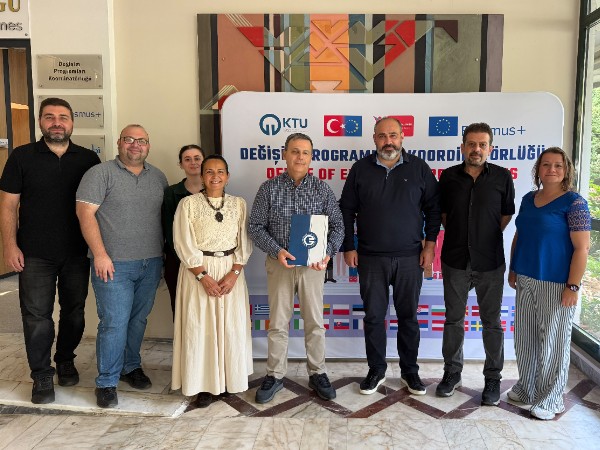
As part of his programme, Prof. Dr. Georgios Salakidis visited the Office of Exchange Programmes to obtain information regarding international cooperation.
05 October 2026
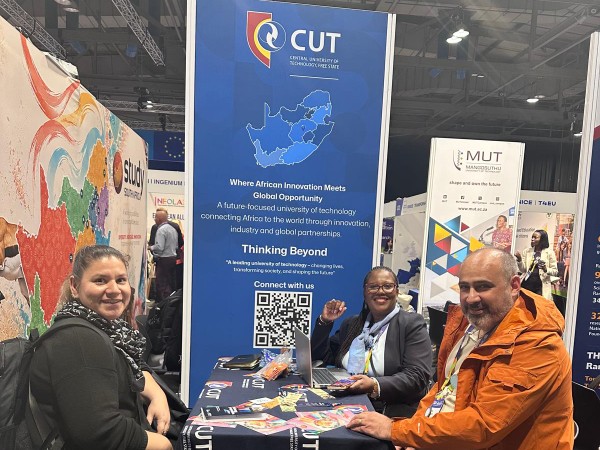
Promoting the University at the "Study in Türkiye" pavilion, the KTU delegation held bilateral meetings with higher education institutions from various regions of the world.
14 September 2026
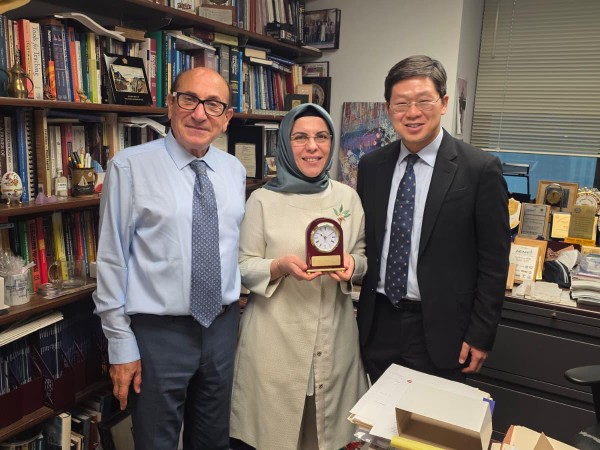
Prof. Dr. Sevdegül AYDIN MUNGAN, Dean of the Faculty of Medicine, carried out a staff mobility visit to our Erasmus+ KA171 partner.
06 August 2026
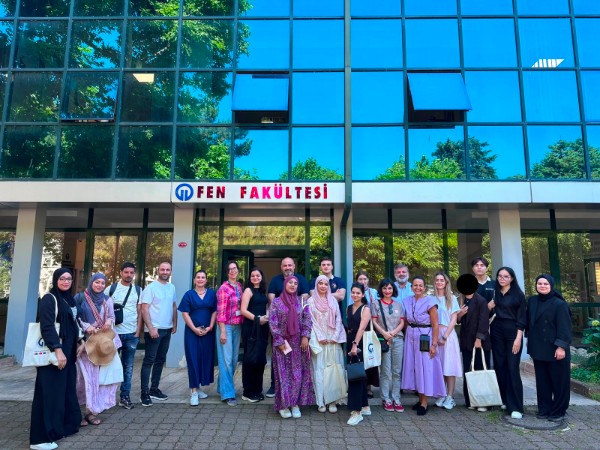
This Erasmus+ KA171 activity made a significant contribution to Karadeniz Technical University's internationalization strategy and its commitment to international cooperation.
03 July 2026
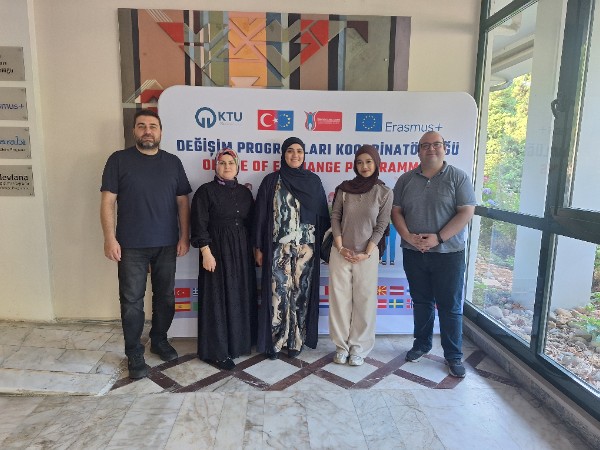
The students will take an active role in international process management, student mobility and administrative activities at the KTU Office of Exchange Programmes.
02 July 2026
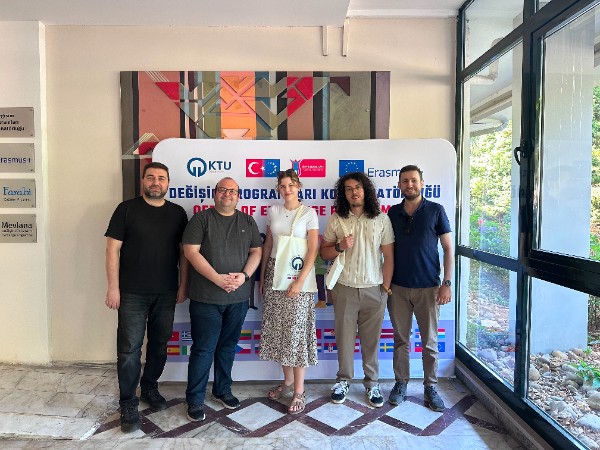
Jeannot will actively participate in various software and engineering projects alongside the academic staff and researchers throughout his placement.
30 June 2026
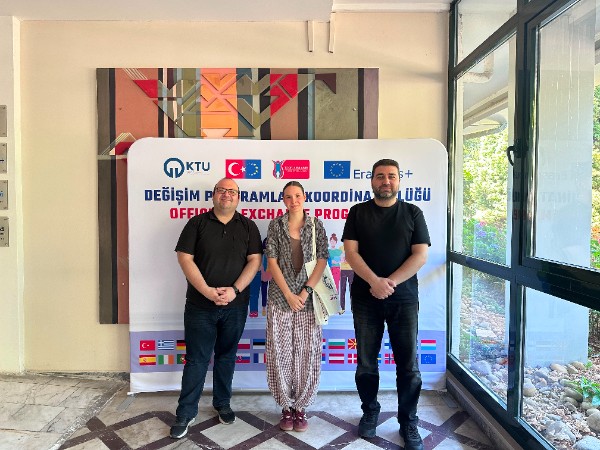
Inez will take an active role in scientific studies on pharmaceutical research and R&D processes as well as innovative technologies utilizing the modern laboratory infrastructure.
27 June 2026
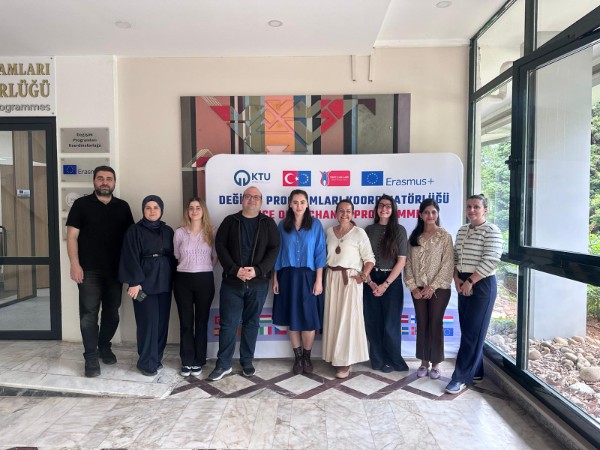
Sofiia visited KTU Office of Exchange Programmes to receive information regarding her Erasmus+ process. We wish our Erasmus+ intern a highly successful and productive internship period.
01 June 2026
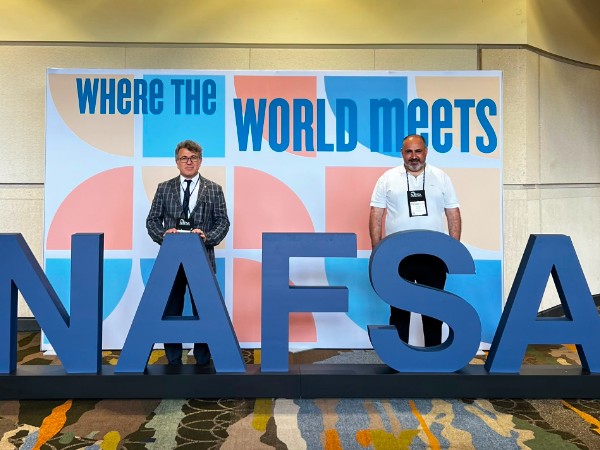
KTU continues its efforts to expand its international academic network, increase its global visibility, and strengthen its scientific collaborations in line with its research university
29 May 2026
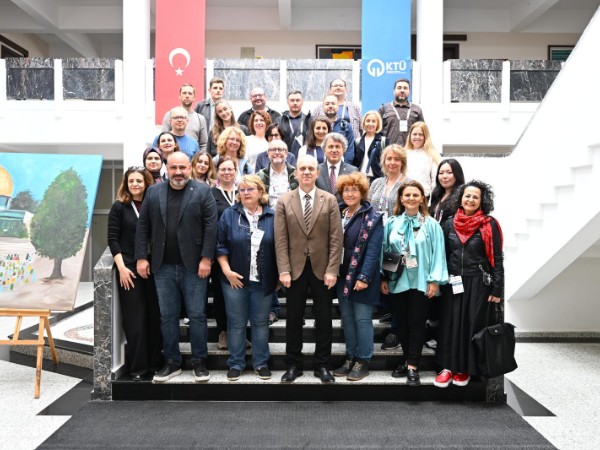
The event took place between May 11 and 15, 2026. 23 representatives from 19 different universities across 9 countries attended the programme.
20 May 2026
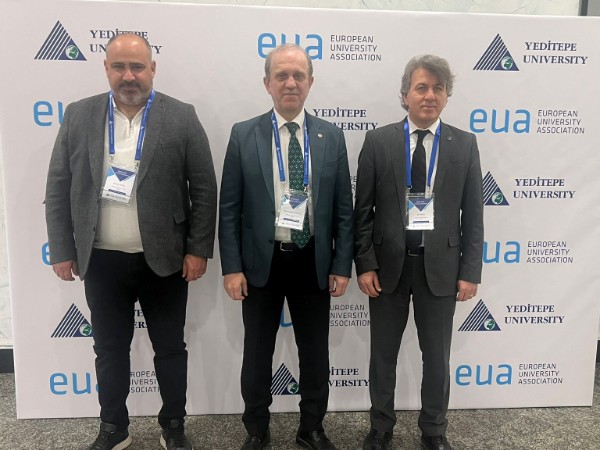
KTU delegation attended sessions focused on EUA?s priority topics, such as the future of higher education, digital transformation, green campus initiatives and research strategies.
17 April 2026
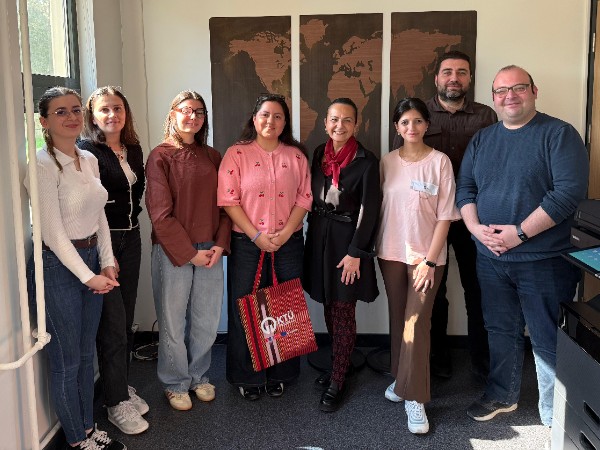
Maria will gain practical experience in genetic research and molecular studies in the department's modern laboratories throughout her training period until June 12, 2026
08 April 2026
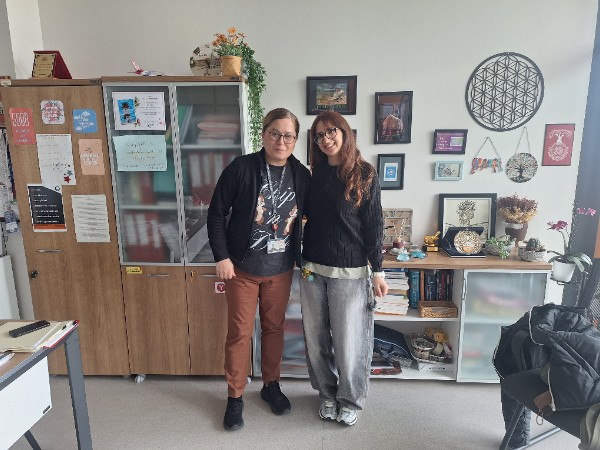
While finding the opportunity to improve her professional skills with the modern research facilities of the Center, Marya Kreschan will also contribute to KTU's global research network.
07 April 2026
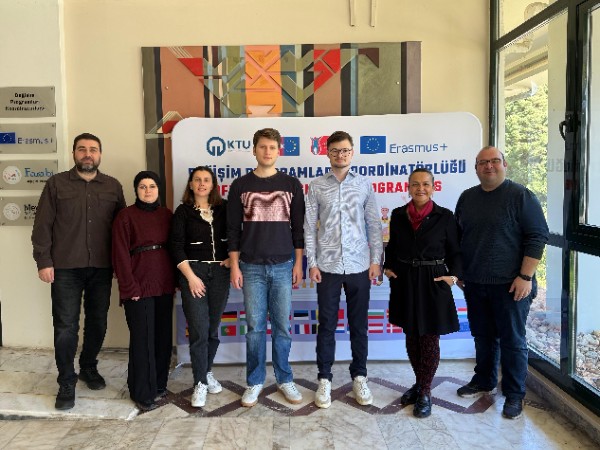
David Malkhazov from the University of Lorraine in France and Spiro Cizmic from the University of Split in Croatia have chosen Karadeniz Technical University for their internships.
06 April 2026
