In 2025, our University engaged in direct and multi-stakeholder collaborations with public institutions, local authorities, development agencies, professional organisations, and civil society organisations in order to contribute to the implementation of the Sustainable Development Goals at national, regional, and local levels. These collaborations were not limited to joint events or projects; they also included identifying regional problems and needs, setting strategic priorities, developing policy and project proposals, evaluating implementation processes, and identifying new areas of cooperation based on monitoring results.
One of the most concrete examples of this approach is our University’s strategic role in the Trabzon Provincial Plan (2024–2028). In addition, through the University Advisory Board, City Cooperation mechanisms, planning and technical assessment activities carried out with local authorities, and protocols established with public institutions, our University transfers its scientific knowledge and expertise into regional policy and implementation processes.
Trabzon Provincial Plan (2024–2028): Direct Contribution to Regional Policies and Strategies
One of the most significant roles of our University in regional policy development in 2025 was its involvement in the Trabzon Provincial Plan (2024–2028). Coordinated by the Governorship of Trabzon, the Provincial Plan is one of the main regional policy documents setting out the development priorities, activities, projects, and programmes of the city for the 2024–2028 period in line with the National Strategy for Regional Development.
Our University serves as a direct strategic stakeholder in 28.39% of all activities included in the Plan. This demonstrates that our University does not merely provide academic opinions, but also assumes an active role in implementing policies and initiatives concerning the future development of the region.
Our University’s contributions under the Plan cover a wide range of policy areas directly related to the SDGs, including:
These activities are carried out in cooperation with public institutions and regional organisations such as the Eastern Black Sea Development Agency (DOKA), Trabzon Provincial Directorate of Culture and Tourism, Provincial Directorate of Youth and Sports, Trabzon Regional Directorate of Forestry, Provincial Directorate of Labour and Employment Agency, and Provincial Directorate of Industry and Technology. In this way, our University directly transfers its academic knowledge and human resources into the design and implementation of regional development policies.
Joint Identification of Regional Problems and Priorities with Public Institutions, Local Authorities, and NGOs
Our University has institutional mechanisms that enable regional needs and problems to be identified directly together with relevant stakeholders during policy development processes.
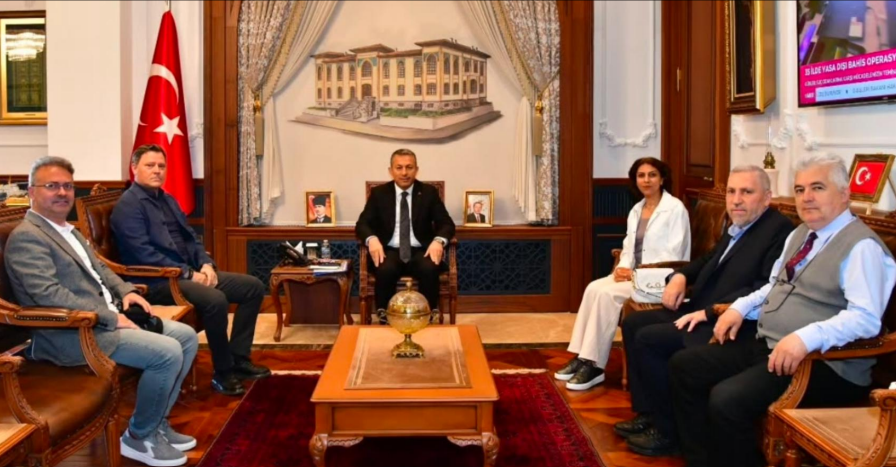
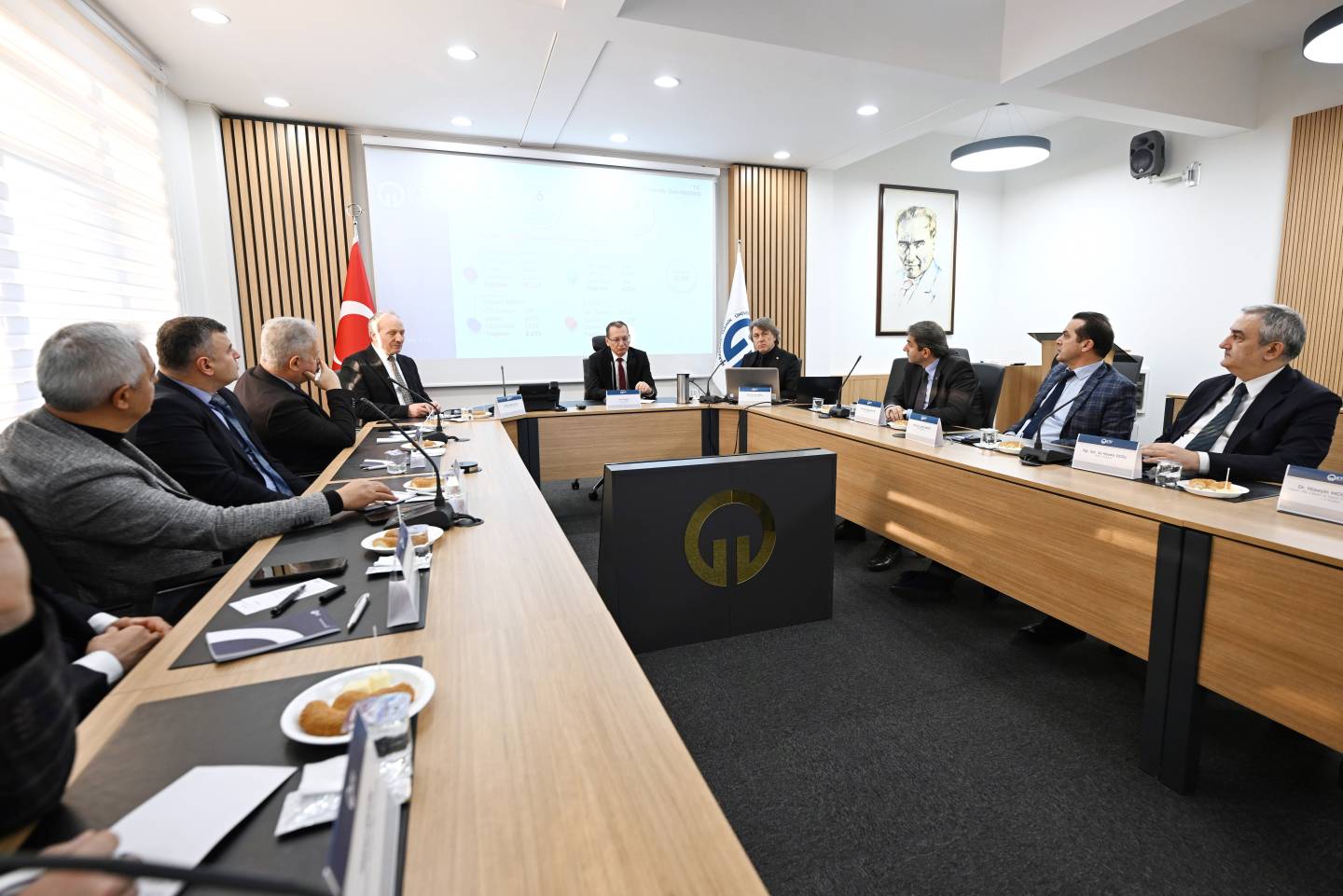
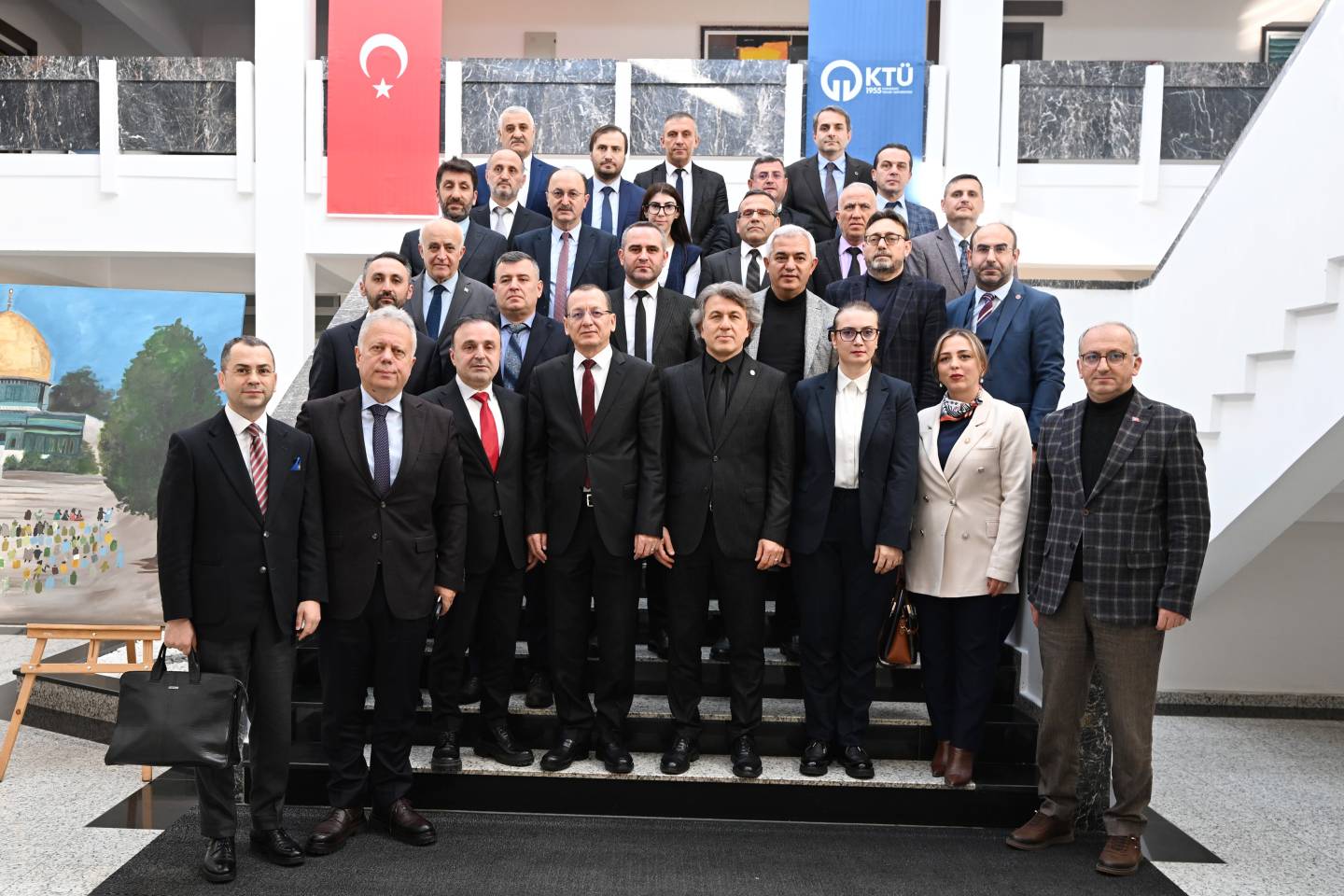
In this context, at the KTU Advisory Board meeting held on 30 December 2025, representatives from the Governorship of Trabzon, Trabzon Metropolitan Municipality, Ortahisar Municipality, Provincial Directorate of Health, Provincial Directorate of Culture and Tourism, Provincial Directorate of National Education, AFAD, Provincial Directorate of Industry and Technology, İŞKUR, Trabzon Chamber of Commerce and Industry, DOKA, KOSGEB, Trabzon Bar Association, Trabzon Union of Chambers of Tradesmen and Craftsmen, Eastern Black Sea Municipalities Union, Provincial Directorate of Environment, Urbanisation and Climate Change, and various civil society organisations came together.
The meeting addressed existing challenges, needs, and areas requiring further cooperation in fields directly related to regional development, including:
health tourism, R&D and innovation, disaster and environmental policies, industry, technology and entrepreneurship, youth and employment, international students, and vocational education.
Particular emphasis was placed on transferring knowledge generated at the University into practice and bringing needs identified in the field back to the University so that regional priorities could be determined jointly. This mechanism demonstrates that our University works directly with public institutions and civil society organisations at the problem- and needs-identification stage of policy development.
Continuous Stakeholder Engagement through the City Cooperation Commission
Our University’s relations with public institutions and regional organisations are not limited to one-off activities, but are maintained through institutionalised cooperation mechanisms.
Within this framework, the KTU City Cooperation Commission operates to establish a continuous cooperation network between our University and stakeholders in Trabzon and the wider region. The Commission connects the University’s scientific knowledge and academic resources with the city, while also transferring the needs of city and regional stakeholders into academic processes and supporting the development of sustainable and applicable cooperation models.
Through this mechanism, regional problems are identified, matched with relevant academic expertise, and transformed into solution-oriented project and policy proposals within an institutional framework.
Evidence:
https://www.ktu.edu.tr/surdurulebilirlik/yerel-paydaslarin-belirlenmesi-ve-etkilesim
Scientific and Technical Contribution to Local Government Policies
Our University also provides direct academic and technical input into the planning and development policies of local authorities.
Within this scope, for the Ortahisar Gülcemal Land Reclamation Area Project, planning and design studies carried out by our University involved contributions from the disciplines of Civil Engineering, Geological Engineering, Geomatics Engineering, and Landscape Architecture under the coordination of the Faculty of Architecture.
The environmental, structural, spatial, and landscape characteristics of the area were assessed, and science-based recommendations were developed to support the planning and design process of the local authority. In this way, our University’s academic expertise was directly utilised in the formulation and implementation of regional urban development policies.
Within the same framework, activities in the fields of Smart Cities and Cadastre, involving public institutions, local authorities, and professional organisations, supported interdisciplinary knowledge exchange on sustainable urbanisation, spatial planning, and smart city policy development.
Public–University–NGO Cooperation Protocols in 2025
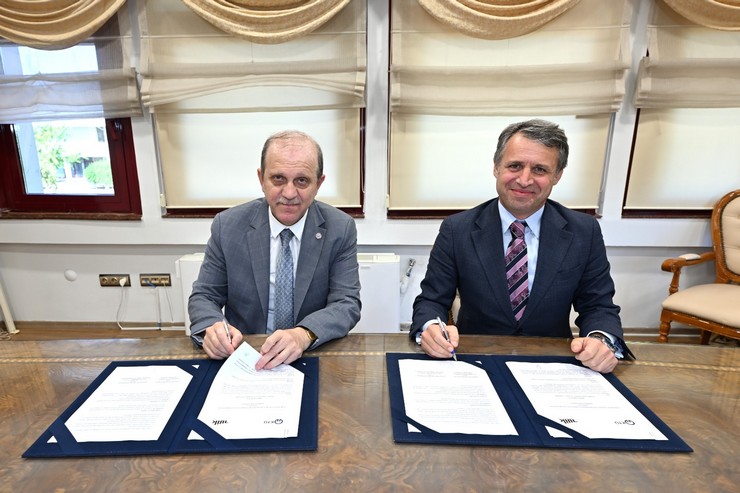
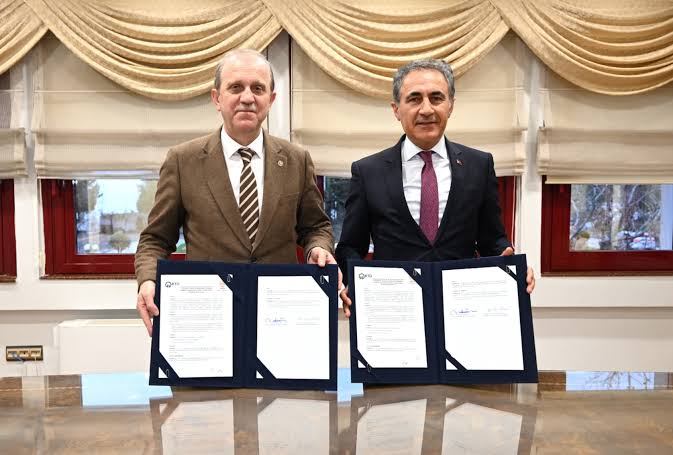
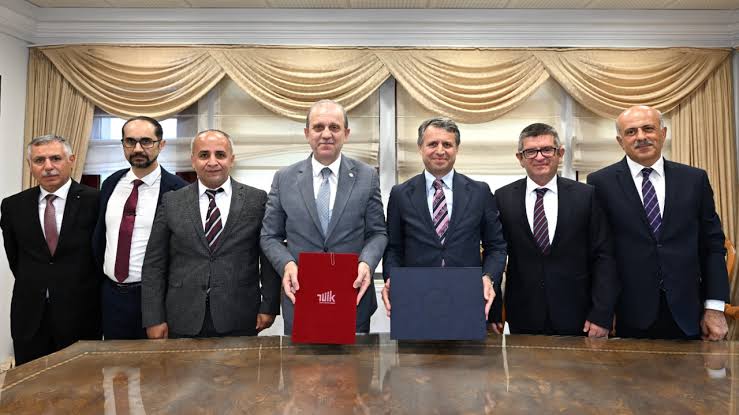
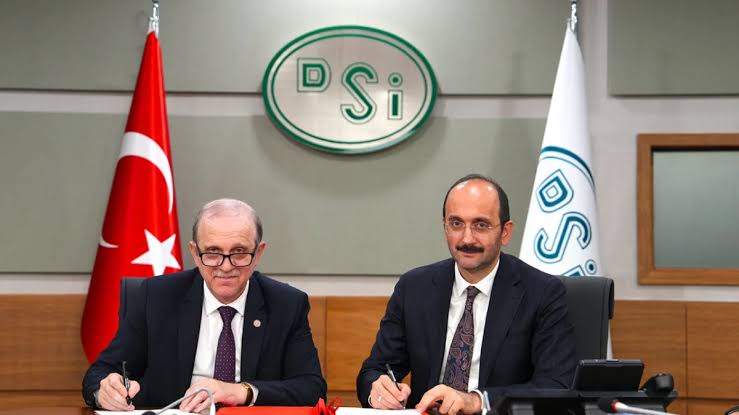
In 2025, our University also established direct cooperation protocols with national and regional institutions across different SDG-related areas.
For example, inter-institutional cooperation was established under the “Women’s Contribution to Agriculture Project” with the Trabzon Chamber of Commerce and Industry, TOBB Trabzon Women Entrepreneurs Board, Trabzon University, Trabzon Provincial Directorate of Agriculture and Forestry, Trabzon Provincial Directorate of Health, and the Eastern Black Sea Development Agency.
In addition, cooperation was established between our University and the Ministry of National Education for structural assessments of educational buildings and their associated facilities, as well as for R&D activities. Cooperation was also carried out between the KTU Landslide Application and Research Center and the Trabzon Provincial Directorate of National Education on disaster awareness training.
These activities demonstrate our University’s contribution to the implementation of public policies under SDG 4 – Quality Education, SDG 5 – Gender Equality, SDG 8 – Decent Work and Economic Growth, SDG 9 – Industry, Innovation and Infrastructure, SDG 11 – Sustainable Cities and Communities, and SDG 17 – Partnerships for the Goals.
Evidence:
https://www.ktu.edu.tr/yonetim/haber/son-gelismeler
Within this framework, our University participated directly and systematically in policy development processes related to the Sustainable Development Goals at national and regional levels in 2025. In particular, its 28.39% strategic stakeholder role in the Trabzon Provincial Plan, the multi-stakeholder KTU Advisory Board, the City Cooperation Commission, joint planning activities with public institutions and local authorities, and institutional monitoring mechanisms demonstrate that our University acts as an active academic and strategic partner across different stages of the policy cycle, from identifying problems and developing policies to implementation, monitoring, and adaptive management.
| Protocol Name | Parties | Start Date | End Date |
|---|---|---|---|
| Cooperation Protocol | KTU (Faculty of Engineering) – Trabzon Technology Association | 25 February 2025 | 25 February 2030 |
| Promotion of Engineering Departments and Sharing of Professional Experiences | KTU (Faculty of Engineering) – TMMOB Trabzon Provincial Coordination Board | 17 February 2025 | 28 July 2025 |
| Inter-Institutional Cooperation Protocol for the “Women’s Hand in Agriculture” Project | KTU (Women and Family Studies Application and Research Center) – Trabzon Chamber of Commerce and Industry, TOBB Trabzon Women Entrepreneurs Board, Trabzon University, Trabzon Bar Association, Trabzon Provincial Directorate of Agriculture and Forestry, Trabzon Provincial Directorate of Health, Eastern Black Sea Development Agency | 15 January 2025 | 15 January 2026 |
| Research Cooperation Protocol | KTU (Drug and Pharmaceutical Technology Application and Research Center) – Venomx Serum Biological Products Industry and Trade Ltd. Co. | 17 April 2025 | 17 April 2027 |
| Cooperation Protocol on Natural Hazard Studies and Training | KTU (Landslide Application and Research Center) – Trabzon Provincial Directorate of Disaster and Emergency Management | 14 April 2025 | 14 April 2030 |
| Cooperation Protocol on Department/Programme and Profession Promotion, Academic Counselling, Career Development and Social Activities | KTU – Trabzon Provincial Directorate of National Education | 8 April 2025 | 8 April 2026 |
| Cooperation Protocol on Vocational Training Courses for Developing a Qualified Workforce through Universities | KTU – Trabzon Provincial Directorate of the Turkish Employment Agency (İŞKUR) | 24 March 2025 | 15 September 2025 |
| Campus Card Protocol | KTU – Türkiye Vakıflar Bankası T.A.O. General Directorate | 18 March 2025 | 3 February 2030 |
| TARIMFEST Institutional Stakeholder Cooperation Protocol | KTU – Tokat Gaziosmanpaşa University | 27 February 2025 | 27 February 0001* |
| Cooperation Protocol on Disaster Awareness Training | KTU (Landslide Application and Research Center) – Trabzon Provincial Directorate of National Education | 11 February 2025 | 11 February 2028 |
| Structural Assessment and R&D Studies in Educational Buildings and Annexes | KTU (Earthquake and Structural Health Application and Research Center) – Provincial Directorate of National Education | 4 February 2025 | 4 February 2027 |