Our University provided a multi-layered mental health support system in 2025 to promote the mental, emotional, and social wellbeing of its students. This system included free psychological counselling and guidance services, individual and group counselling, brief consultations, psychological assessment, referral to specialist healthcare services in cases of risk, support for adjustment to university life, preventive and protective educational activities, and, where necessary, access to advanced psychiatric diagnosis and treatment services. Rather than viewing mental health support solely as a therapeutic service to be accessed after a problem has emerged, the University adopts a holistic student-support approach that seeks to protect students’ psychological wellbeing, strengthen their ability to cope with challenges encountered in academic and social life, identify risks at an early stage, and provide referral to more advanced professional support when required.
The main institutional structure through which mental health support is provided to students is the Psychological Counselling and Guidance Unit within the Department of Health, Culture and Sports. According to the Unit’s official description of duties, its primary purpose is to help students recognise their mental, emotional, and social potential, support them in making effective use of their individual and environmental resources, and provide preventive/protective, counselling, and, where necessary, intervention-based services for psychological difficulties. The Unit provides individual and/or group psychological counselling, supports students’ social, emotional, and academic development, uses psychological tests and other assessment tools where appropriate, and refers students considered to be at risk to services requiring a higher level of professional expertise.
Evidence:
https://www.ktu.edu.tr/sks/psikolojik-danismanlik-ve-rehberlik-birimi
The active availability of these mental health services in 2025 is also confirmed through the University’s healthcare system. The University’s Medico-Social Centre serves as the main on-campus point of access to healthcare for students, and students can make appointments with both the Unit physician and psychologist through the University’s Health, Culture and Sports Information Management System. Official health service information dated 22 September 2025 states that students can benefit from healthcare services, including psychological support, and can be referred to relevant healthcare units for further examination and treatment where necessary. Thus, psychological support is not merely a formally defined service; it is an institutional service that students can access directly through an appointment system.
Evidence:
https://www.ktu.edu.tr/sks/saglikhizmetleri
The University’s official announcement for the 2024–2025 academic year further documents that mental health support continued to be actively provided during 2025. The Department of Health, Culture and Sports explicitly announced that Psychological Counselling and Guidance Services for students would continue during the 2024–2025 academic year and published contact information enabling students to reach the psychologist working in the Unit. This announcement provides important evidence that the service constituted an ongoing institutional student-support mechanism during the 2025 calendar year.
Evidence:
https://dents.ktu.edu.tr/sks/haber/psikolojik-danismanlik-ve-rehberlik-hizmetleri-birimi
The psychological counselling offered to students is not limited to general consultation. According to the Unit’s official service description, individual psychological counselling sessions aim to help students develop the skills they need to cope with difficulties that may hinder their academic, social, or personal development. Depending on the student’s needs, counselling may involve several sessions or continue for a longer period. Sessions generally last approximately 45–50 minutes and are usually scheduled once a week. In addition, brief consultations lasting approximately 15 minutes are available for students who require immediate information, guidance, or support. Following a brief consultation, a student may be referred for individual counselling or to another specialist or service depending on their needs.
An important component of the psychological support system is the identification of risk and referral to advanced healthcare services. The Psychological Counselling and Guidance Unit refers students to appropriate professionals, institutions, or healthcare providers when their needs go beyond the professional scope of the psychologist or require more specialised intervention. The Unit’s official service description explicitly states that students may be referred, depending on their needs, to psychiatry, neurology, or other specialist services. This referral mechanism creates a continuum of care enabling students to access an appropriate level of support, ranging from mild or moderate psychosocial difficulties to more serious mental health conditions.
The fundamental principles governing mental health support also promote safe and inclusive access for students. The official working principles of the Psychological Counselling and Guidance Unit identify confidentiality, equality, voluntariness, and respect for the individual as core principles. Information relating to individuals seeking support is not shared with other persons, units, or institutions except where required under relevant healthcare legislation. Services are provided equally and impartially without discrimination on the basis of gender, ethnicity, religion, nationality, social class, or similar characteristics. Conducting counselling on the basis of voluntariness and cooperation further provides an important institutional safeguard supporting students’ safe access to mental health services.
The University’s approach to psychological support also includes protective and preventive mental health services. The responsibilities of the Psychological Counselling and Guidance Unit include supporting activities that facilitate the adjustment of newly enrolled students to university life and organising preventive/protective seminars for students where needed. The Unit’s online education portal also provides informational content on topics such as time management, anxiety, planning academic life, and coping with psychological difficulties that students may encounter in everyday life. Therefore, the University’s approach to mental health does not focus solely on students already experiencing clinical problems; it also seeks to prevent psychological difficulties and strengthen students’ coping skills.
The active and substantial use of these services in 2025 is further demonstrated by quantitative service data. During 2025, a total of 560 psychological counselling sessions were provided to 243 students. These figures strongly demonstrate that mental health support at the University is not merely an institutionally defined service, but an actively used, continuous, and genuinely accessible support mechanism for students.
Evidence:
https://www.ktu.edu.tr/dosyalar/sks_RTqne.pdf
This preventive approach was also reinforced through student-focused awareness and educational activities conducted in 2025. On 6 March 2025, a “Webinar on Combating Addiction” was organised. During the event, a Social Work Specialist and a Clinical Psychologist from the Green Crescent Counselling Centre (YEDAM) addressed the concept of addiction, appropriate approaches to individuals with addiction, and the psychosocial treatment methods implemented by YEDAM. The event aimed to improve accurate knowledge about addiction, support appropriate referral, and provide information on effective approaches and solutions.
Evidence:
https://www.ktu.edu.tr/endustri/etkinlik/bagimlilikla-mucadele-webinari
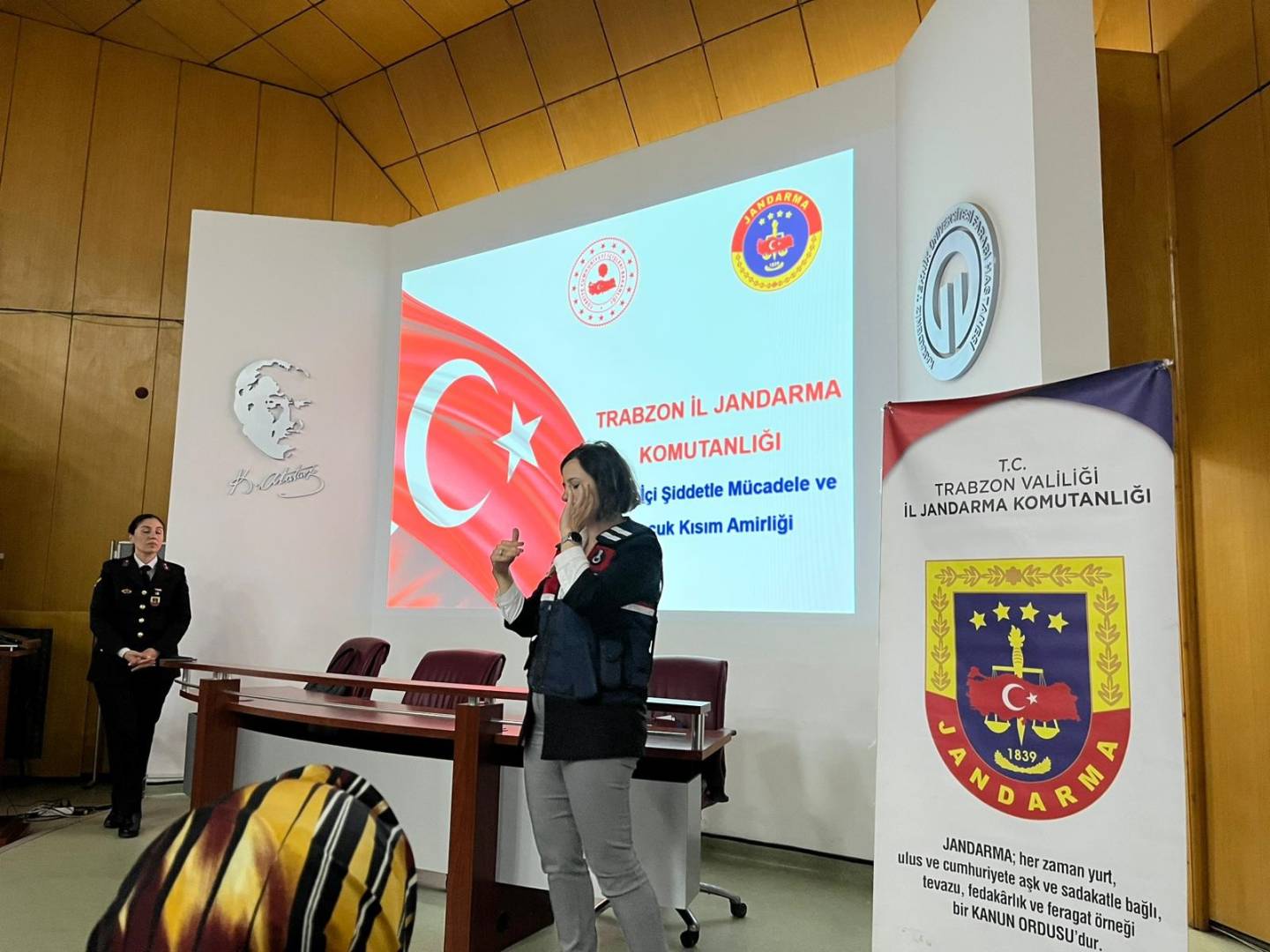
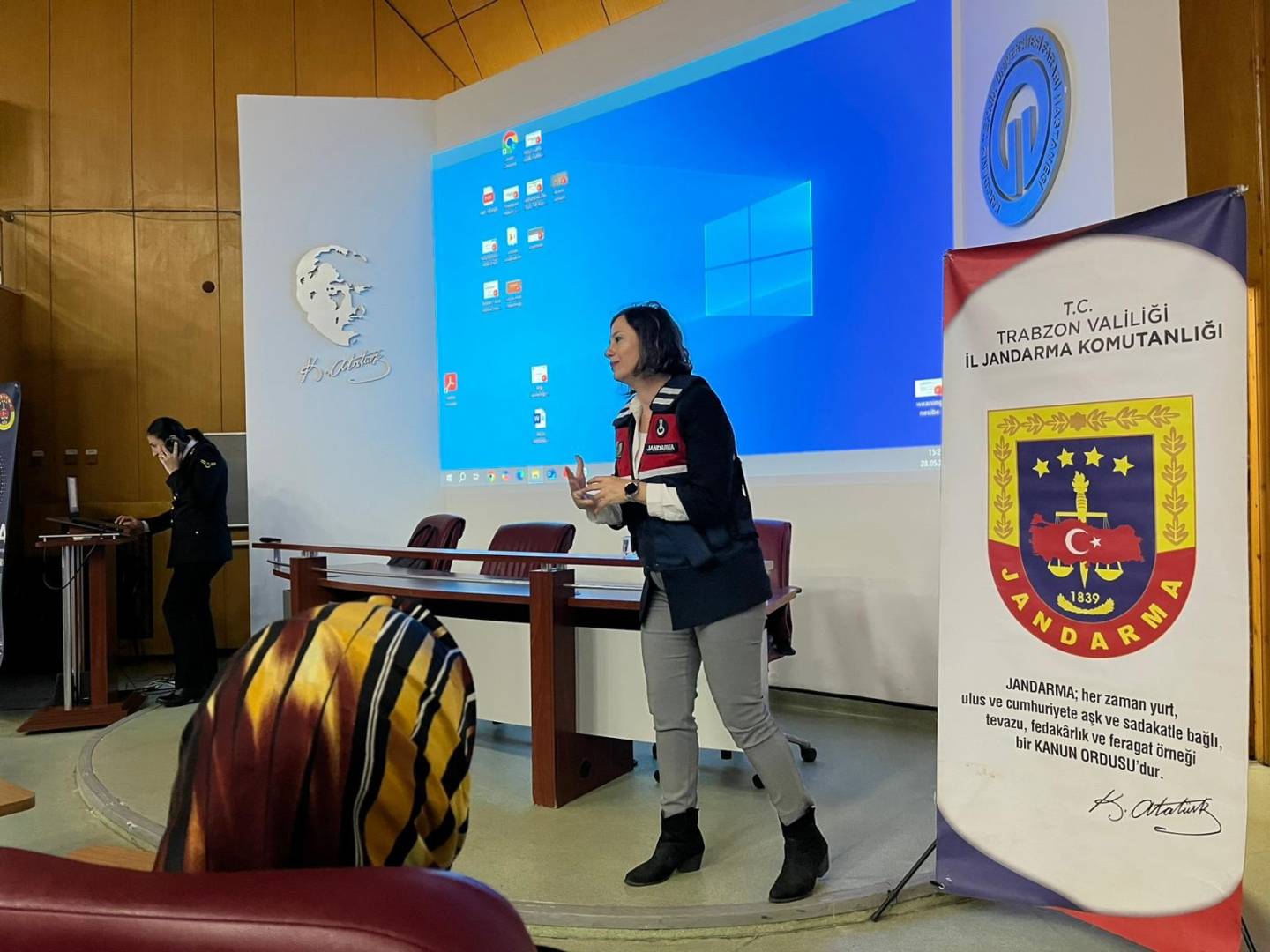
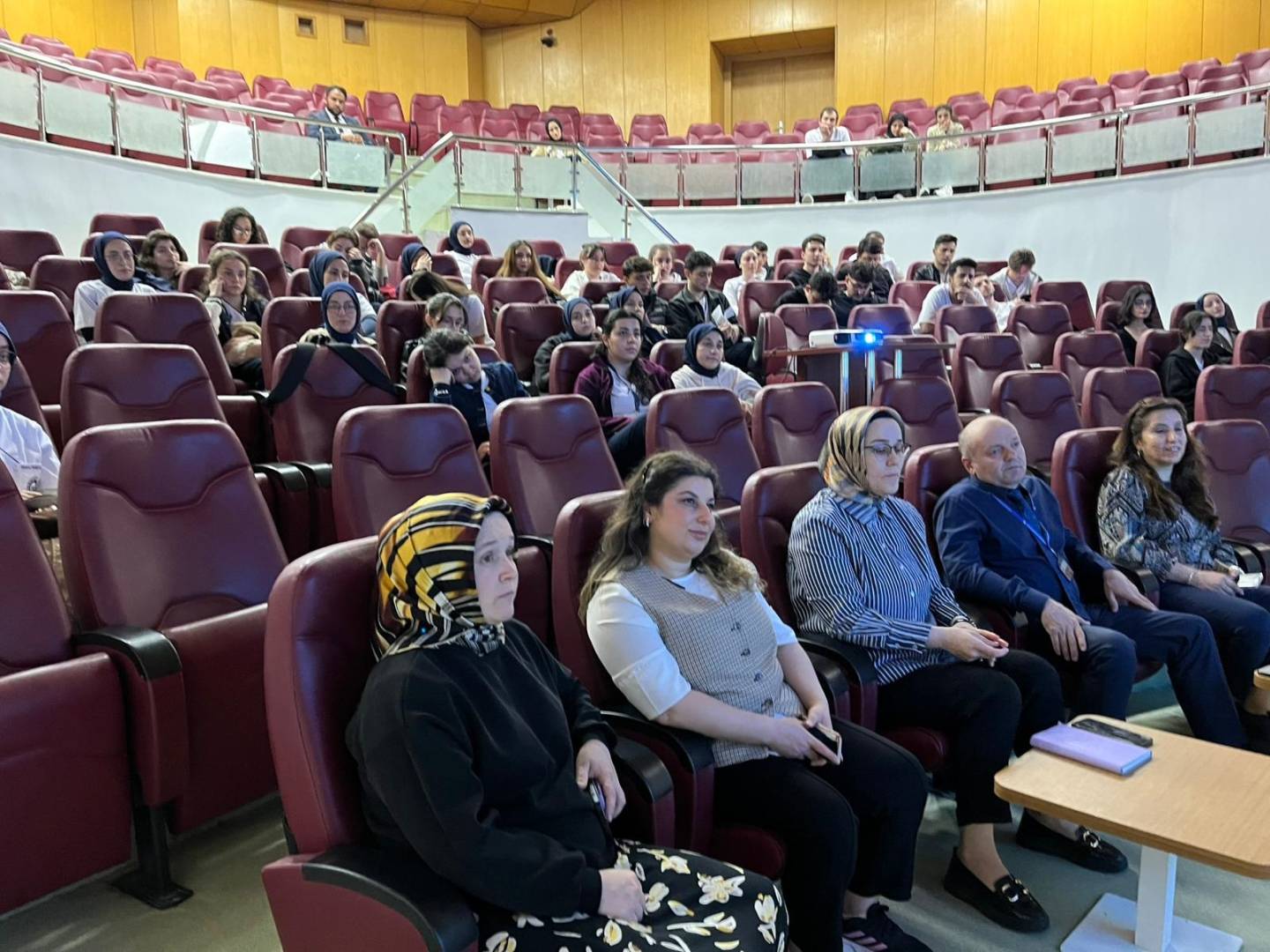
In addition, on 28 May 2025, the Faculty of Medicine of our University organised an “Awareness Training on Combating Addiction and Violence.” The programme addressed forms of addiction and incidents of violence observed among young people, and participants were informed about the psychological and social dimensions of addiction as well as strategies for the prevention of violence. This activity demonstrates that the University approaches mental health support not only through individual counselling services, but also through a broader system incorporating preventive awareness and educational activities addressing relevant risk factors.
Evidence:
https://www.ktu.edu.tr/med/haber/bagimlilik-ve-siddet-ile-mucadele-farkindalik-egitimi-yapildi
In conclusion, our University ensured students’ access to mental health support in 2025 through an institutional, free, continuous, and multi-layered system. Students could access the Psychological Counselling and Guidance Unit operating under the Department of Health, Culture and Sports free of charge on weekdays and benefit from individual and group psychological counselling, brief consultations, psychological assessment, guidance supporting academic, social, and emotional development, and adjustment support. Students identified as being at risk or requiring more advanced clinical support could be referred to psychiatry and other specialist services. Through the Department of Psychiatry at Farabi Hospital, advanced diagnosis, treatment, and follow-up capacity is available for a broad range of mental health conditions, including anxiety, depression and other mood disorders, trauma- and stress-related disorders, obsessive-compulsive disorder, and addictions. In addition, awareness and educational activities conducted in 2025 on addiction, psychosocial treatment, and the prevention of violence supported students’ preventive mental health knowledge and skills. Taken together, these measures demonstrate that, as of 2025, our University provides students with a comprehensive mental health support system encompassing prevention, early support, psychological counselling, referral, and access to further treatment when required.
These services are free of charge for all students and staff and are available on weekdays. Learn more about the Psychological Counseling and Guidance Unit