Our University carries out educational and awareness-raising activities for local communities on the structure, functioning, conservation, and sustainability of ecosystems, with particular emphasis on wild flora and fauna. These activities are implemented especially through the Department of Wildlife Ecology and Management within the Faculty of Forestry, the Zero Waste Coordination Office, the Environmental Problems Application and Research Center, and other relevant academic units.
Throughout 2025, children, young people, and students from different levels of education were directly targeted through practical and informative activities focusing on forest ecosystems, wild animals, natural habitats, biodiversity, and ecosystem sustainability.
“Architects of Nature” – Ecosystem Education for Primary School Students
One of the most prominent ecosystem education activities organised by our University for the local community in 2025 was the “Architects of Nature” event held on 25 March 2025.
The event was organised by İsmetpaşa Primary School within the scope of the Every School Should Have a Project (HOPO) programme coordinated by the Trabzon Provincial Directorate of National Education. It was also carried out in conjunction with an e-Twinning project implemented by Akçaabat Abdullah Fazıl Ağanoğlu Primary School as part of World Water Day activities. Our University’s Zero Waste Coordination Office and Environmental Problems Application and Research Center supported the event.
The event took place in the open green area behind our University’s Faculty of Forestry and was attended by students from İsmetpaşa Primary School and Abdullah Fazıl Ağanoğlu Primary School.
Assoc. Prof. Dr. Ahmet Arpacık, a faculty member of our University’s Department of Wildlife Ecology and Management, provided students with education on nature, wildlife, and ecosystem functioning. During the programme, students had the opportunity to learn about:
through on-site and hands-on learning activities.
This activity represents a clear example of ecosystem education delivered by our University directly to children in the local community outside its formal higher education programmes.
Evidence:
https://ktu.edu.tr/yaban/haber/doganin-mimarlari
Additional evidence:
https://www.ktu.edu.tr/sifiratik/haber/doganin-mimarlari
Wildlife Education for Children through the Wildlife Museum
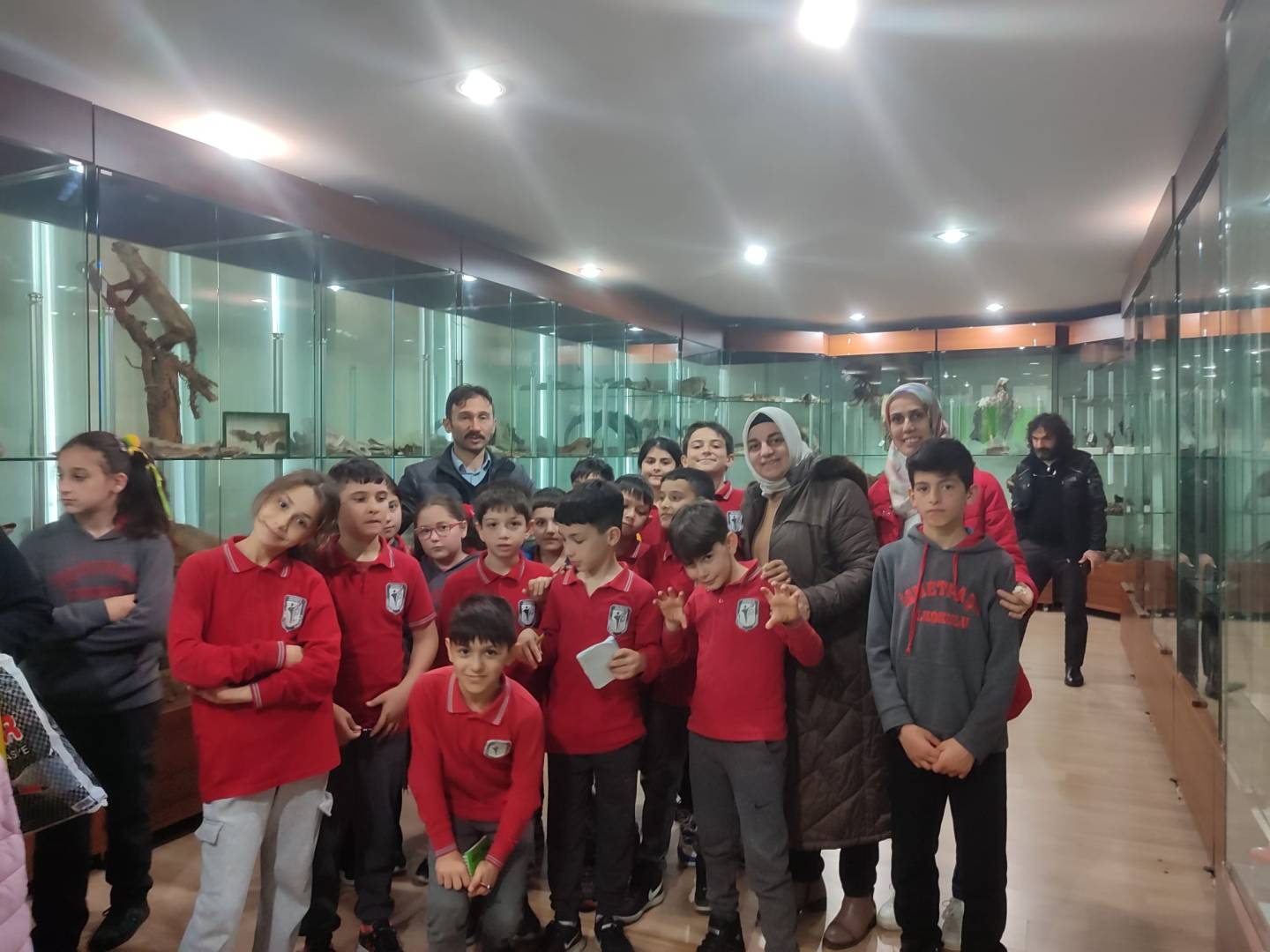
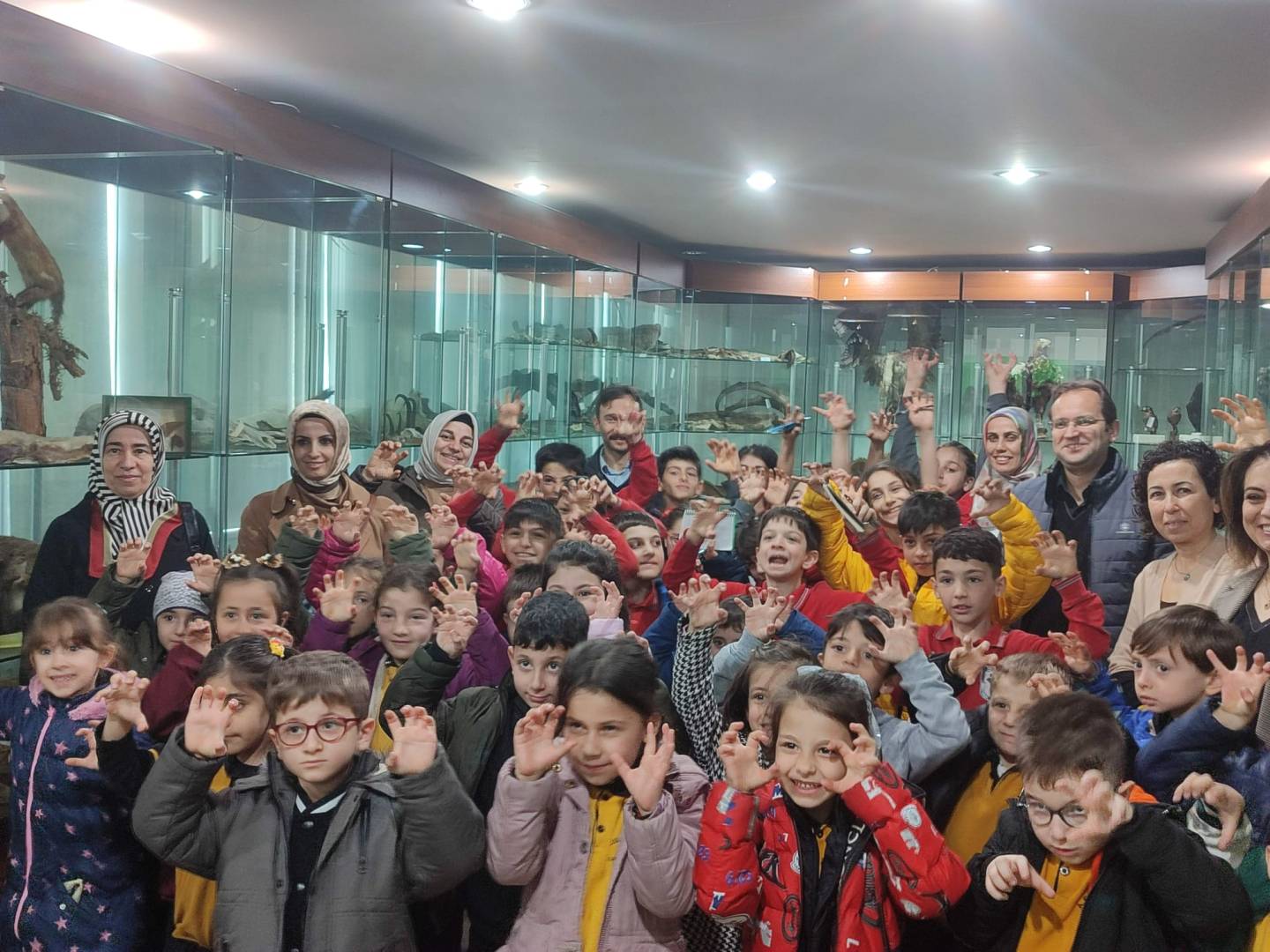
Our University also uses the museum and scientific materials of the Department of Wildlife Ecology and Management as part of environmental and ecosystem education activities for the local community.
According to the University’s 2025 institutional activity records, students from Bener Cordan Kindergarten in Ortahisar, Trabzon, received educational information about the Wildlife Museum and the specimens exhibited there. In addition, second-grade students from Araklı Yılmaz Çebi Primary School visited the Wildlife Museum and were informed about the wildlife specimens displayed in the museum.
These visits helped children become familiar with different wildlife species, observe the diversity of wild fauna, and understand the importance of protecting natural life from an early age.
In particular, the use of real biological materials and wildlife specimens ensured that the educational process was not limited to theoretical knowledge, but also allowed children to learn about faunal diversity through direct observation.
Evidence:
https://www.ktu.edu.tr/dosyalar/orman_xMgry.pdf
Educational Capacity of the Department of Wildlife Ecology and Management
Our University’s Department of Wildlife Ecology and Management has a strong academic and practical educational infrastructure in the conservation of wild flora and fauna.
The Department’s educational approach covers the biology and ecology of wildlife species, particularly birds and mammals, as well as freshwater fish, amphibians, reptiles, insects, and other invertebrates. It also directly addresses the relationships between wildlife species, plants, and other ecosystem components in environments such as forests, mountains, steppes, and wetlands.
The Department also has educational and practical expertise in areas such as:
wildlife conservation,
enhancement of biodiversity,
management of national parks and nature parks,
planning of wildlife development areas,
nature observation activities, and
ecotourism.
This academic capacity provides the scientific foundation for our University’s ecosystem awareness and educational activities targeting local and national communities.
Evidence:
https://hplab.ktu.edu.tr/fbeyaban/anabilimdaligenelbilgiler
Education on Biodiversity and Wildlife Conservation
Biodiversity, wild fauna, and ecosystem conservation are directly incorporated into the educational programmes of our University’s Department of Wildlife Ecology and Management.
For example, within the course “Biodiversity in Wildlife”, the role of wildlife in the identification, enhancement, conservation, and monitoring of biodiversity is addressed. The main objective of the course is to enable students to understand the relationship between biodiversity and wild fauna and to gain knowledge relevant to conservation practices.
The Department’s curriculum also includes courses directly related to ecosystems and biodiversity, such as Conservation Biology, Zoology, General Ecology, and Meteorology.
Although these academic programmes primarily target University students, the expertise and institutional capacity developed through them are shared with wider society through field education activities, school visits, museum-based learning, and nature education programmes for local communities.
Evidence:
https://katalog.ktu.edu.tr/DersBilgiPaketi/course.aspx?dbid=662854&lang=1&pid=2355
Field-Based Learning Activities for Ecosystems
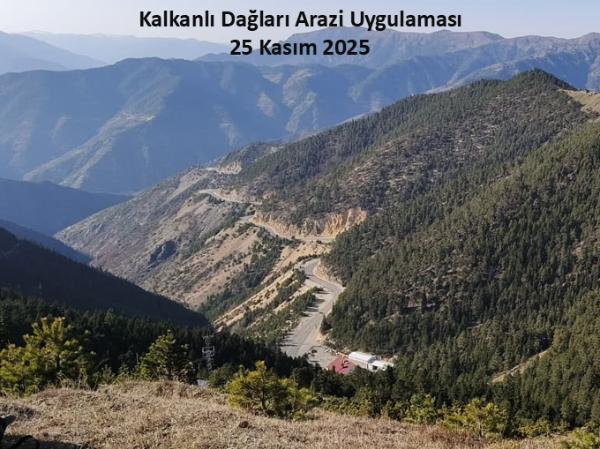
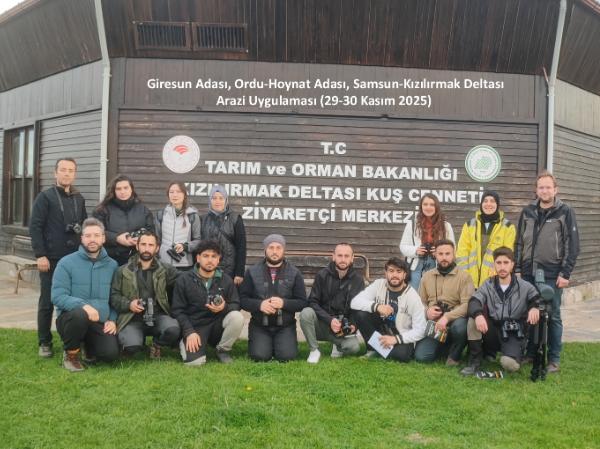
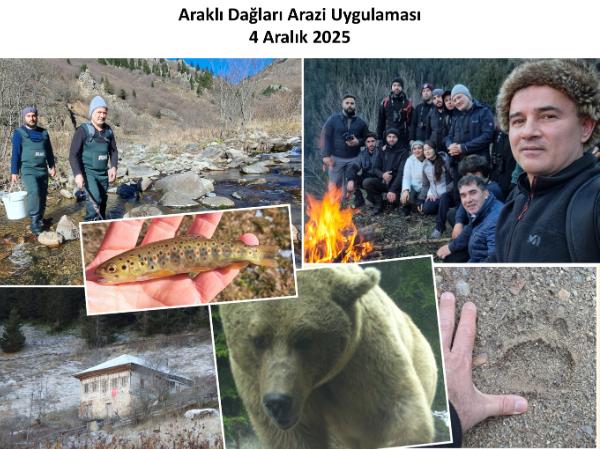
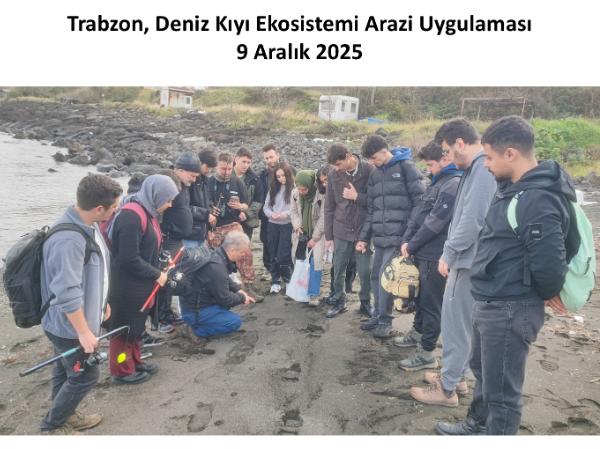
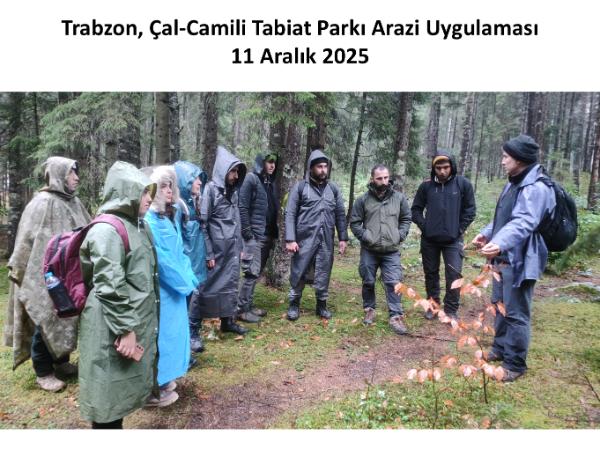
Our University also adopts a field-based learning approach in ecosystem education. During 2025, the Department of Wildlife Ecology and Management conducted numerous field activities in different types of ecosystems.
These included field studies in:
Kalkanlı Mountains,
Aralıklı Mountains,
Yeşilırmak and Kızılırmak Deltas in Samsun,
the coastal ecosystem of Trabzon, and
Çal-Camili Nature Park.
These activities allow students to directly observe flora-fauna relationships, habitat characteristics, and ecosystem functioning in a range of natural environments, including forests, mountains, wetlands, deltas, coastal areas, and nature parks.
Although the primary target group of these field activities is University students, this educational and research infrastructure strengthens the scientific basis of the ecosystem education delivered by our University to local communities.
Evidence:
https://www.ktu.edu.tr/yaban
Reaching Local Communities through University–National Education Cooperation
One of the most important aspects of our University’s ecosystem education activities is that they are not limited to University students.
In 2025, cooperation between the Trabzon Provincial Directorate of National Education, local primary schools, and different units of our University enabled ecosystem-related knowledge and expertise to be transferred directly to children in the local community.
Hosting students from two different primary schools on our University campus during the “Architects of Nature” activity and providing wildlife education to kindergarten and primary school students through the Wildlife Museum demonstrate that our University adopts an ecosystem education approach that is open to communities beyond the University itself.
These activities also contribute to raising early awareness among children regarding:
love and respect for nature,
biodiversity awareness,
protection of wild animals,
the importance of habitats, and
ecosystem sustainability.
In 2025, our University carried out educational activities aimed at increasing awareness and understanding of wild flora, fauna, and natural ecosystems not only within its formal higher education programmes, but also through community outreach activities directed at local populations.
In particular, the “Architects of Nature” ecosystem education programme, the Wildlife Museum educational activities for kindergarten and primary school students, and cooperation with the Provincial Directorate of National Education demonstrate that our University provides direct educational opportunities for local communities on ecosystems, wildlife, habitats, and the conservation of natural life.
Evidences:
https://ktu.edu.tr/yaban/haber/trabzon-deniz-kiyi-ekosistemi-arazi-uygulamasi
https://ktu.edu.tr/yaban/haber/aralikli-daglari-arazi-uygulamasi
https://ktu.edu.tr/yaban/haber/kalkanli-daglari-arazi-uygulamasi