Our University collaborates with local communities, public institutions, educational institutions, professional organisations, and other regional stakeholders to protect and sustainably manage forests, green areas, agricultural land, natural habitats, and other shared terrestrial ecosystems.
Our University’s approach in this field is not limited to producing scientific research. Academic knowledge and expertise are shared directly with regional stakeholders through joint projects, field activities, afforestation initiatives, biodiversity studies, forest management practices, environmental education, and local development partnerships.
Planting 250 Saplings Together with Local Schools and Forestry Authorities
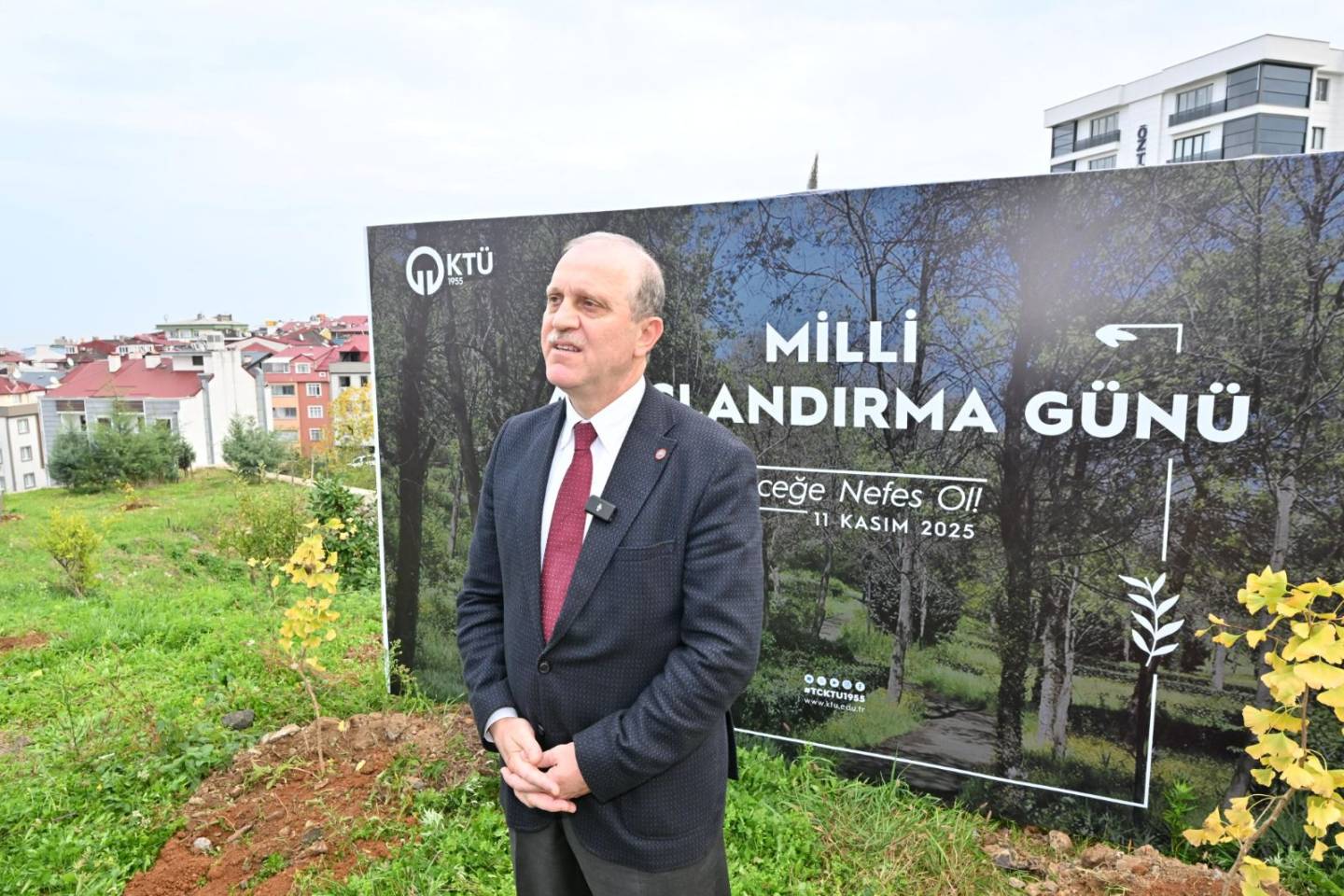
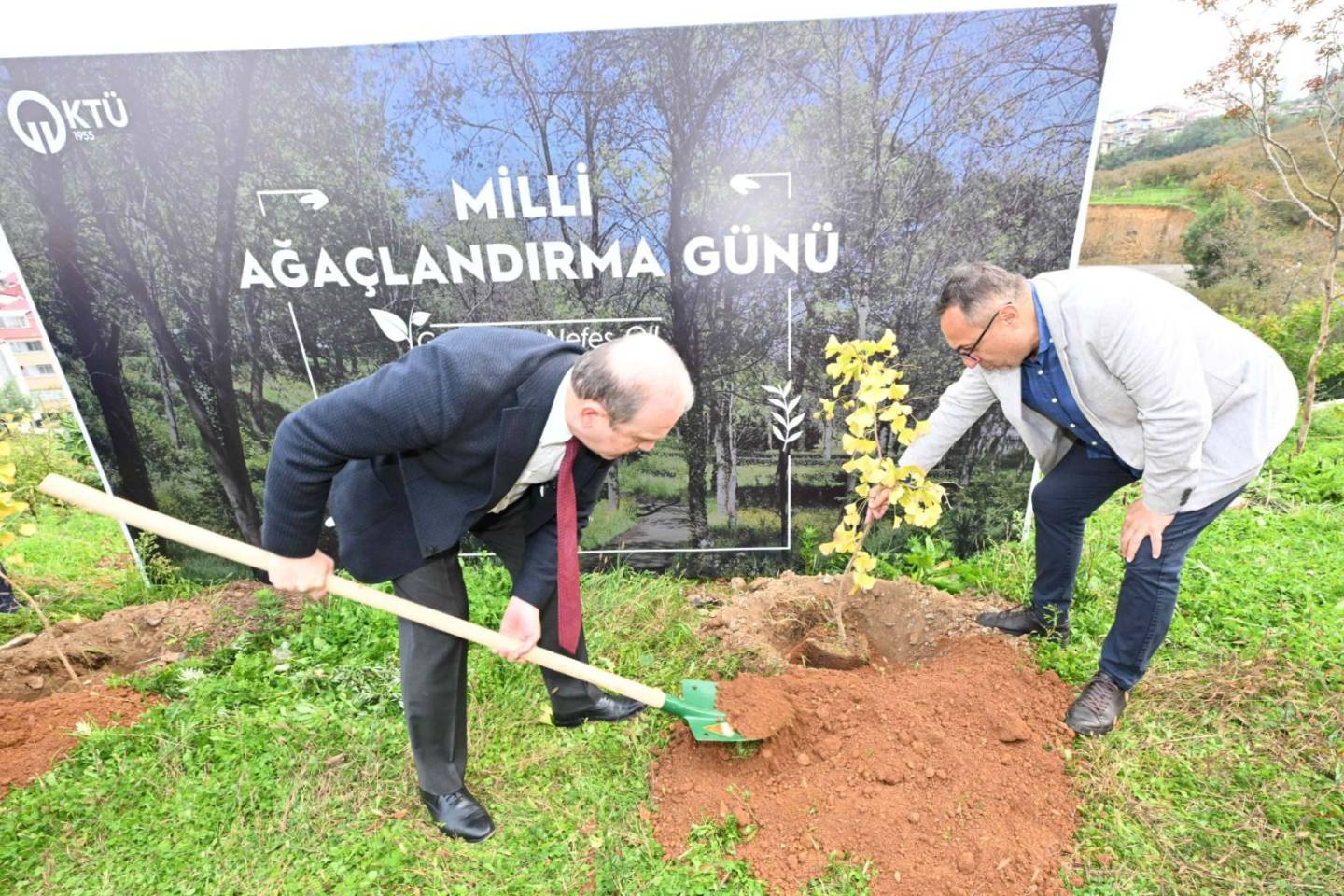
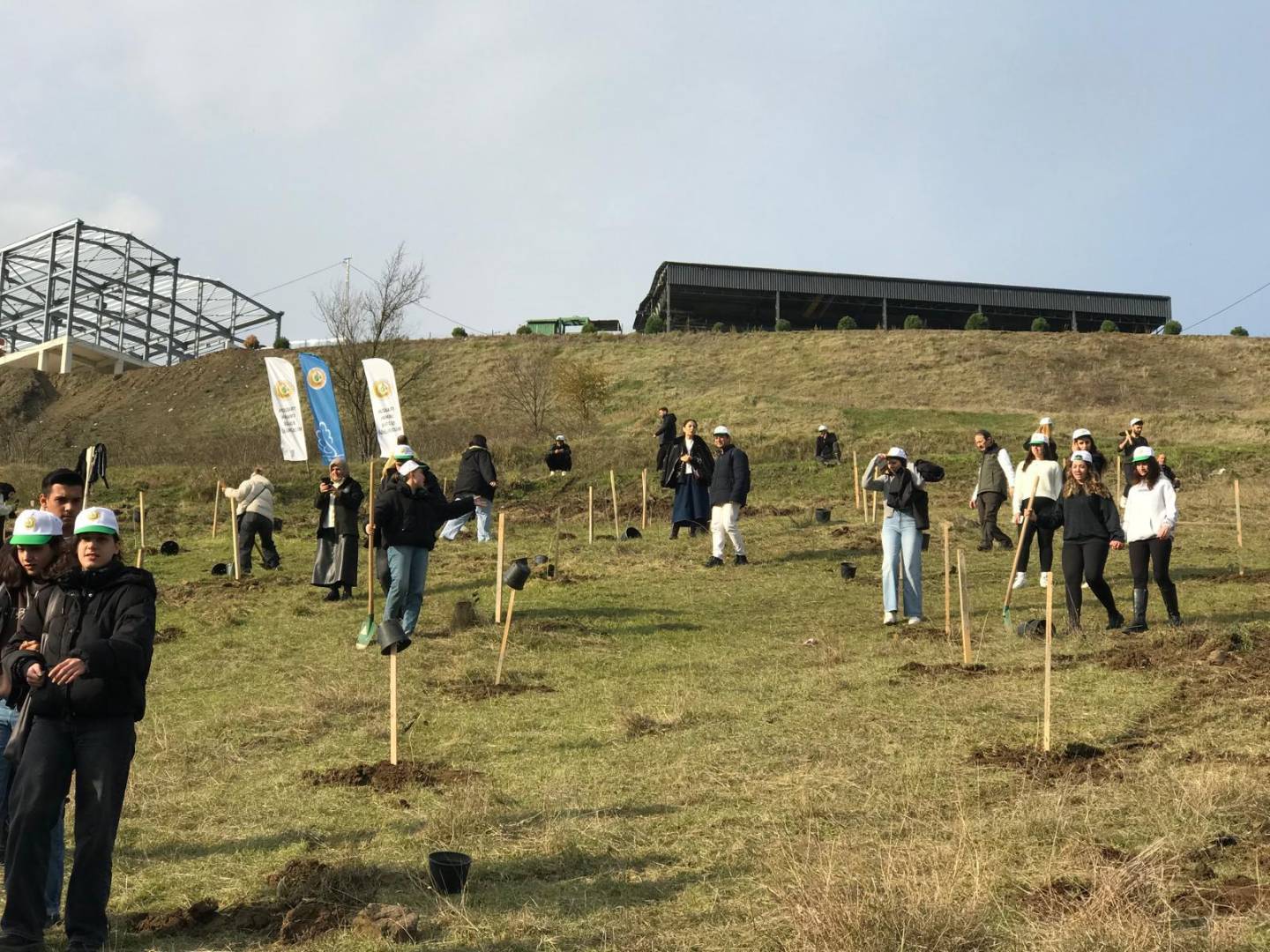
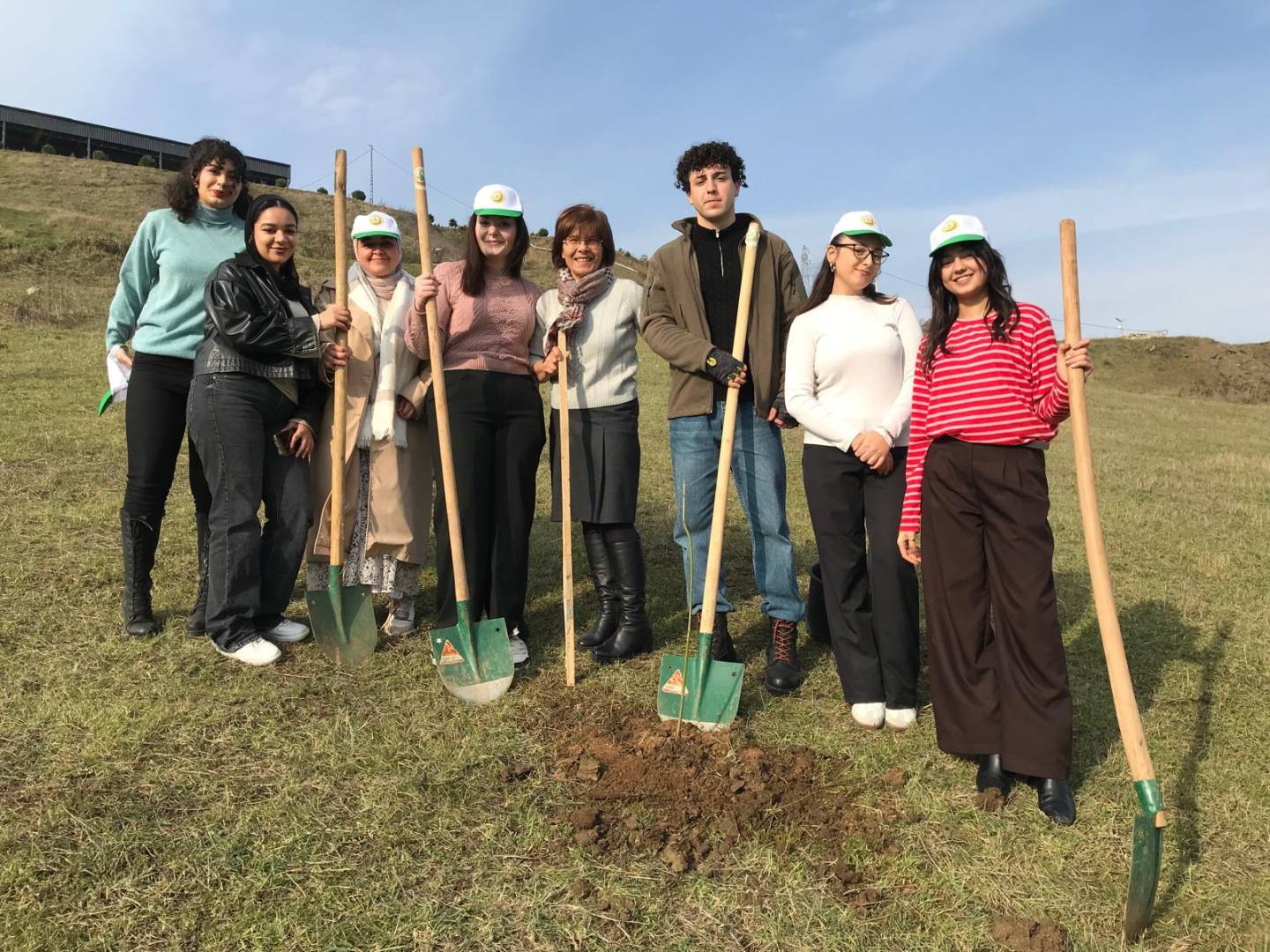
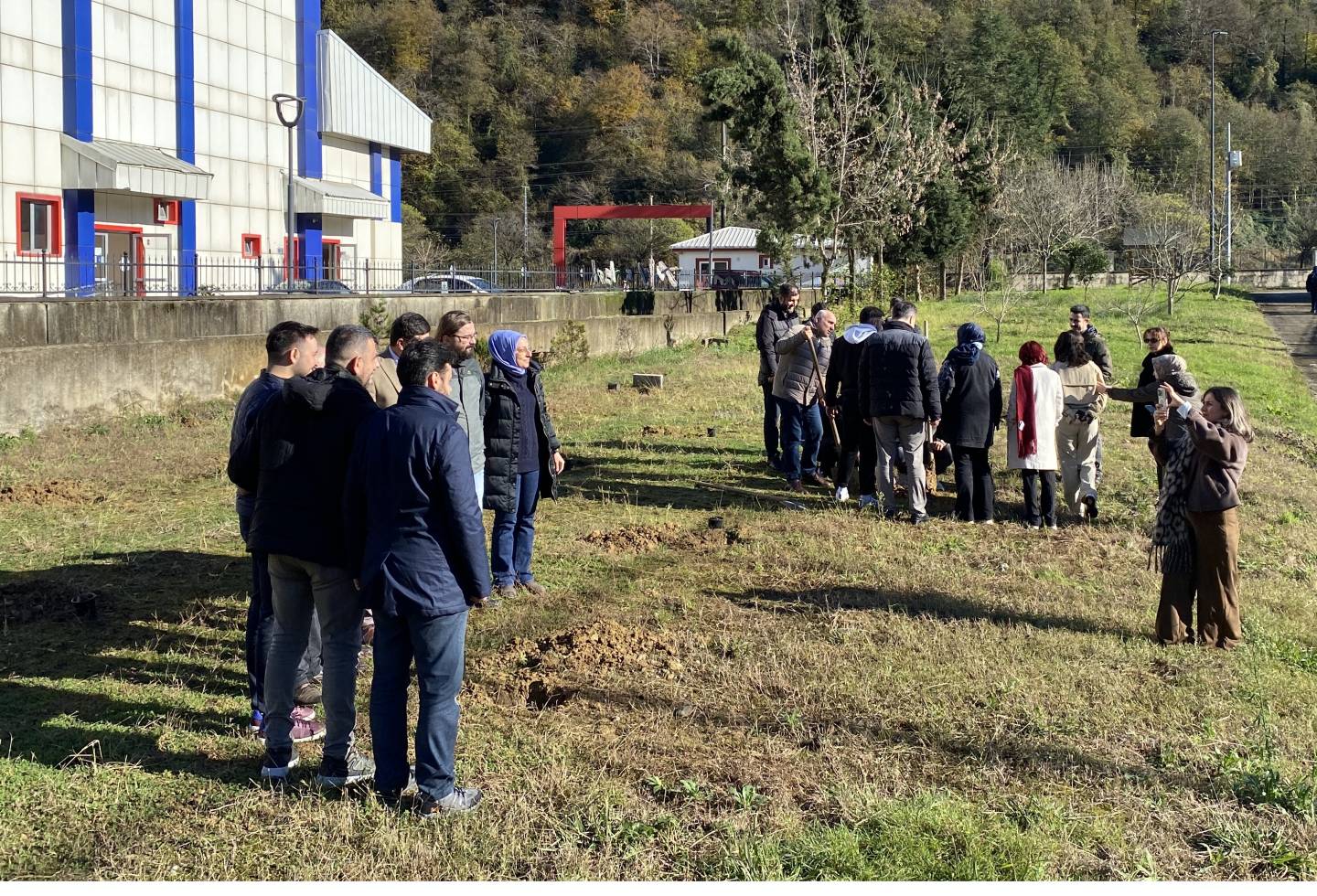
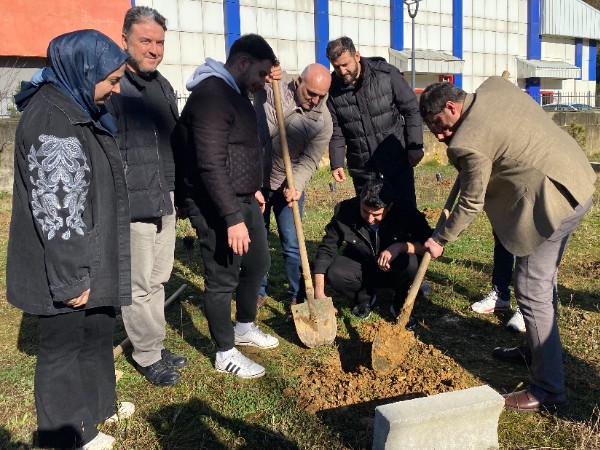
One of the important examples of our University’s 2025 activities for protecting shared terrestrial ecosystems in cooperation with local communities was the tree-planting event held on 23 December 2025.
Within the scope of a Social Responsibility Project carried out in cooperation with KTU Trabzon Vocational School, Vakfıkebir Anatolian Imam Hatip High School, and Vakfıkebir Atatürk Secondary School, a total of 250 saplings were planted in the Şinik Organised Industrial Zone, an area under the responsibility of the Akçaabat Forest Management Directorate.
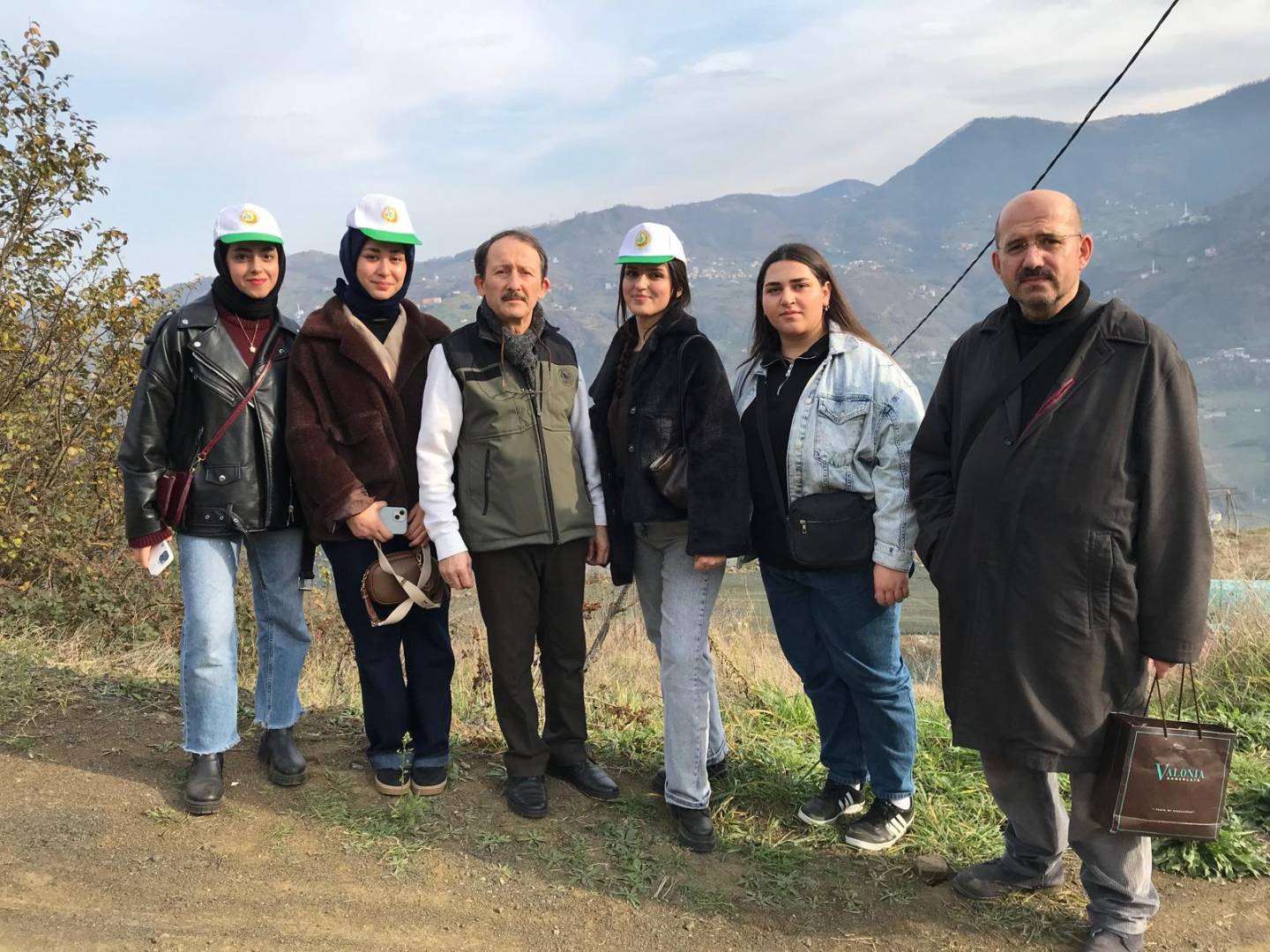
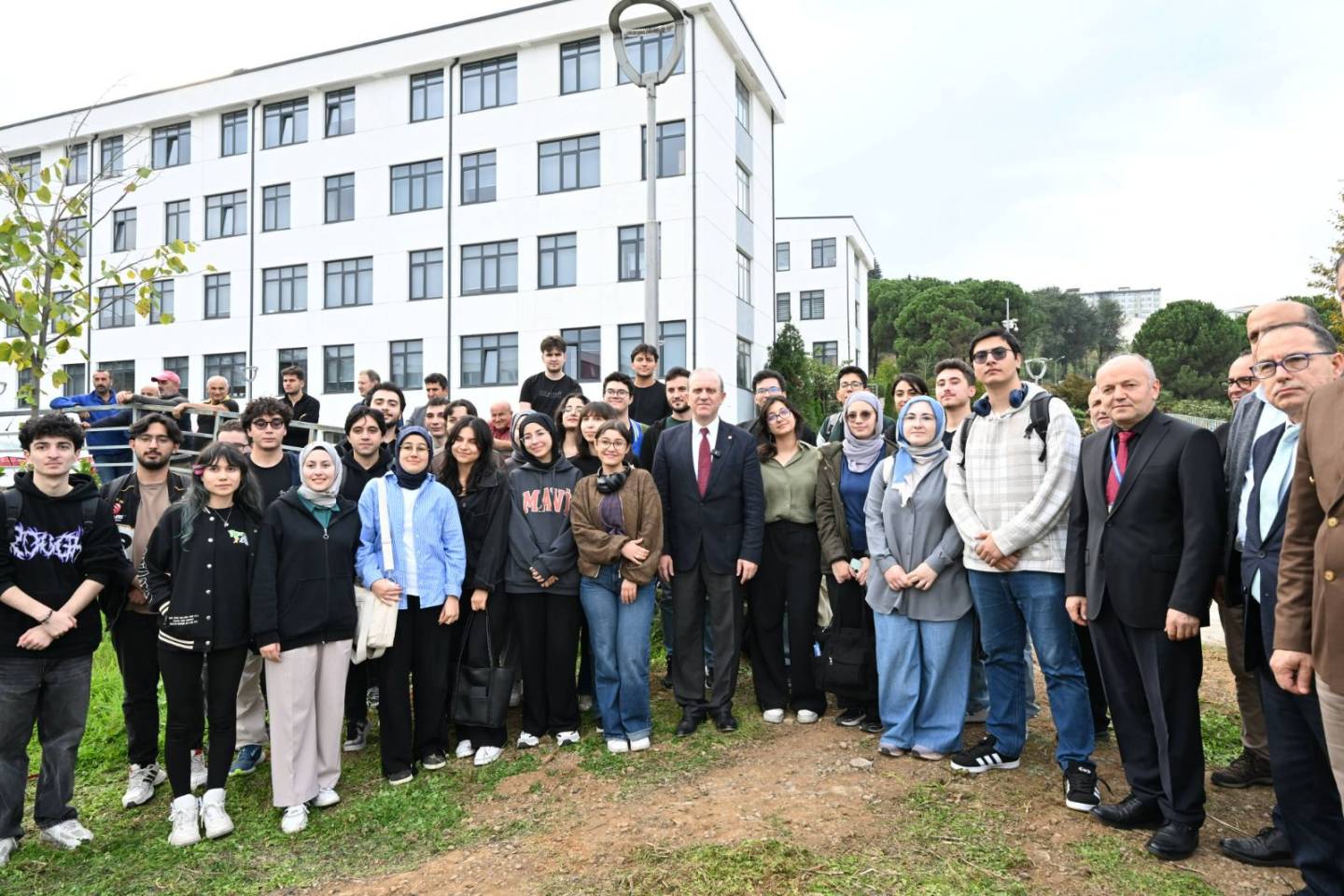
University administrators, academic staff, and students participated in the event, which was organised in coordination with local schools and forestry authorities.
This activity directly contributed to the conservation and enhancement of shared terrestrial ecosystems by:
Our University’s 2025 SDG 15 report also states that this activity made a tangible contribution to strengthening terrestrial ecosystems, increasing green areas, supporting vegetation, and improving habitat quality.
Evidence:
https://surdurulebilirlik.ktu.edu.tr/trabzonmyo/haber/fidan-dikimi
Additional evidence:
https://www.ktu.edu.tr/trabzonmyo/n0MaLSWUx9
KTU SDG 15 – Life on Land 2025 Report:
https://www.ktu.edu.tr/dosyalar/surdurulebilirlik_Ih6KR.pdf
“The Forest Is Mine” Event – Participation in Local Forest Conservation
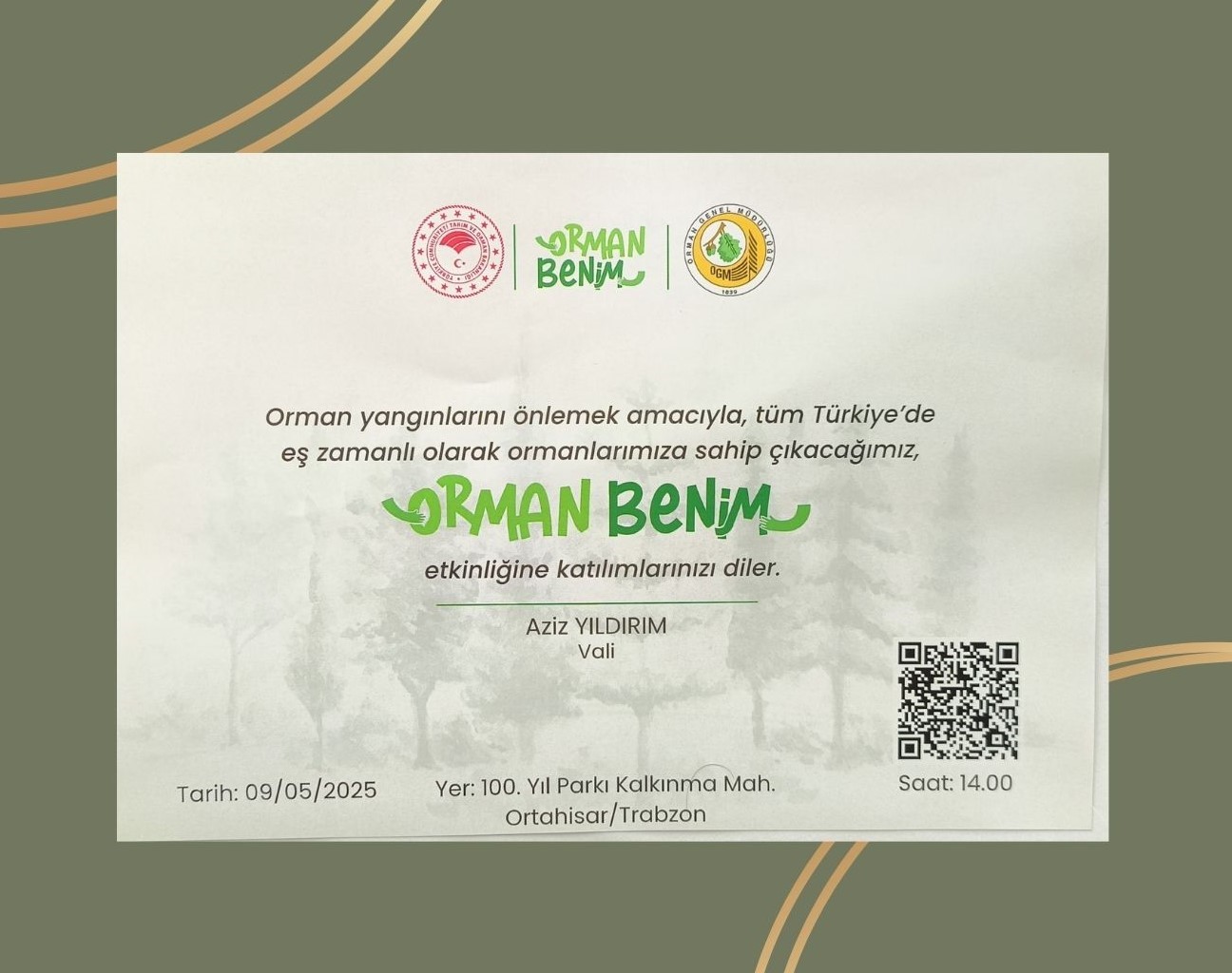
Our University’s Department of Forest Engineering participated in the “The Forest Is Mine” event held on 9 May 2025 at the 100th Year Park in Ortahisar, Trabzon.
The event, organised simultaneously across Türkiye, aimed particularly to prevent forest fires and protect forest areas. With the participation of students from our University’s Department of Forest Engineering, the activity raised awareness that forests are natural assets under the shared responsibility not only of public institutions, but also of universities, students, and society.
This activity demonstrates our University’s direct participation in nature and forest conservation efforts in local public areas and its cooperation with the community in protecting shared terrestrial ecosystems.
Evidence:
https://www.ktu.edu.tr/ormanmuhendisligi/haber/orman-benim-etkinligi-gerceklestirildi-r
Department of Forest Engineering – 2025 Activities:
https://www.ktu.edu.tr/ormanmuhendisligi/etkinlikler
Cooperation with Local Institutions for Forest Management and Ecosystem Conservation within the Trabzon Provincial Plan
Another important dimension of our University’s local partnerships in 2025 was its involvement in the Trabzon Provincial Plan.
In the study publicly shared by our University on 1 July 2025, KTU was identified as an important strategic stakeholder in Trabzon’s local development processes.
Areas in which our University is expected to contribute under the Plan include:
These activities are expected to be implemented through joint projects with the Trabzon Regional Directorate of Forestry, Eastern Black Sea Development Agency (DOKA), Provincial Directorate of Culture and Tourism, and other public institutions.
This structure demonstrates that our University does not address the management of regional natural resources and shared ecosystems solely within the University itself, but also provides scientific knowledge to joint decision-making and implementation processes with local public institutions and urban stakeholders.
Public–University Cooperation for the Joint Management of Agricultural and Forest Ecosystems
Agricultural land and forests should not be considered independently when protecting shared terrestrial ecosystems. Our University reflected this approach in its knowledge-sharing activities with local public institutions in 2025.
On 25 April 2025, İsa Kaplan, Director of the Trabzon Provincial Directorate of Agriculture and Forestry, delivered a seminar at our University entitled “Agriculture–Forest Relations in Integrated Watershed Management.”
The event addressed:
This knowledge-sharing activity between our University and the Trabzon Provincial Directorate of Agriculture and Forestry is an example of addressing shared agricultural, forest, and watershed ecosystems through public–university cooperation.
Evidence:
https://www.ktu.edu.tr/ormanmuhendisligi/etkinlikler
TRANSFORMIT – Multi-Stakeholder Cooperation in Biodiversity and Sustainable Forest Management
Another important example of our University’s institutional cooperation approach to shared land ecosystems is the “Future of Sustainable Forest Management – TRANSFORMIT” Cooperation Project.
The project aims to integrate societal needs with biodiversity conservation and to develop biodiversity-sensitive forest management practices.
Through the stakeholder engagement platform established within TRANSFORMIT, the project seeks to strengthen cooperation and knowledge sharing among:
This multi-stakeholder structure aims to ensure that not only scientific institutions, but also different groups that use and manage forests are involved in the management of shared forest ecosystems.
Although TRANSFORMIT began before 2025, it is presented on our University’s sustainability platform as an ongoing institutional cooperation model for the protection of shared terrestrial ecosystems. It therefore provides supporting evidence for the institutional background of our University’s 2025 activities.
Institutional sustainability evidence:
https://www.ktu.edu.tr/surdurulebilirlik/ortak-arazi-ekosistemleri-icin-isbirligi
KTU City Cooperation Mechanism
One of the institutional mechanisms supporting our University’s cooperation with the local community is the KTU City Cooperation Commission.
The Commission aims to share the University’s academic knowledge and resources with stakeholders in Trabzon and the wider region, coordinate social responsibility projects and research and development activities, and integrate the needs of local stakeholders into the University’s academic processes.
This mechanism also provides an institutional basis for jointly addressing environmental and ecosystem-related issues with city and regional stakeholders.
Evidence:
https://www.ktu.edu.tr/sehirisbirligi/hakkimizda
Identification and engagement of local stakeholders:
https://www.ktu.edu.tr/surdurulebilirlik/yerel-paydaslarin-belirlenmesi-ve-etkilesim
Our University’s Collaborative Approach to Shared Terrestrial Ecosystems
When our University’s 2025 activities are considered together, its local cooperation approach to the protection of shared terrestrial ecosystems can be seen to operate at several levels:
In 2025, our University did not consider the protection of shared terrestrial ecosystems merely as an environmental management issue limited to its own campuses. Through partnerships with local schools, forestry authorities, the Trabzon Regional Directorate of Forestry, the Provincial Directorate of Agriculture and Forestry, development organisations, and other city stakeholders, our University actively contributed to the conservation of forests, green areas, agriculture–forest watersheds, and other natural areas.
In particular, the 250-sapling afforestation activity carried out on 23 December 2025 with local schools and the Forest Management Directorate, the “The Forest Is Mine” event, forest management cooperation within the Trabzon Provincial Plan, and public–university knowledge sharing on the integrated management of agriculture–forest relationships demonstrate that our University works concretely with local stakeholders to protect shared terrestrial ecosystems.