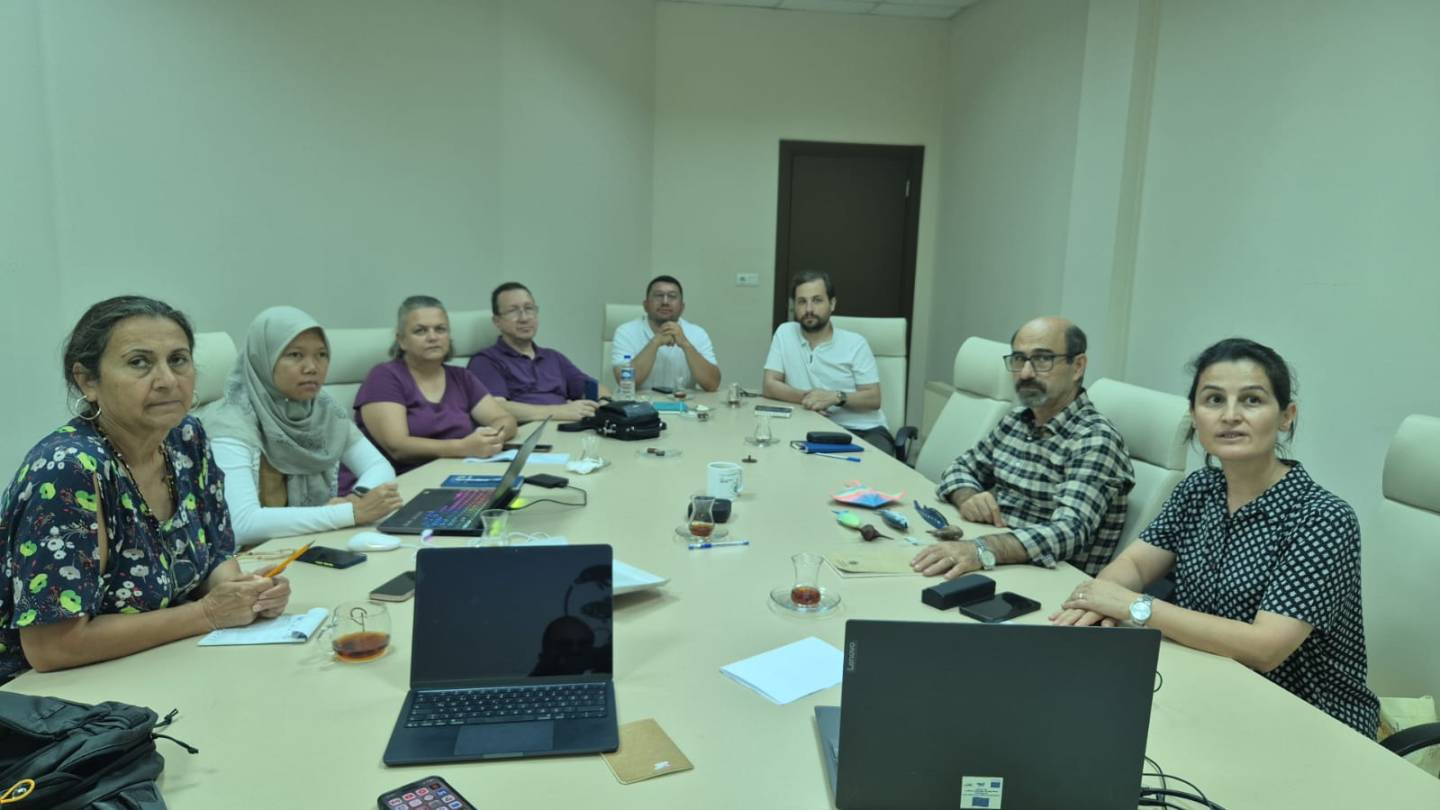
Karadeniz Technical University applies a watershed-based approach to the sustainable management of water resources and associated aquatic ecosystems, linking this approach to the local biodiversity characteristics of the Black Sea Basin and the delta and wetland ecosystems in which it conducts research. Our University’s watershed management approach integrates the protection of water resources, management of rivers and stormwater, wastewater control, water quality monitoring, and conservation of aquatic biodiversity.
Management Approach Based on the Local Biodiversity of the Black Sea Basin
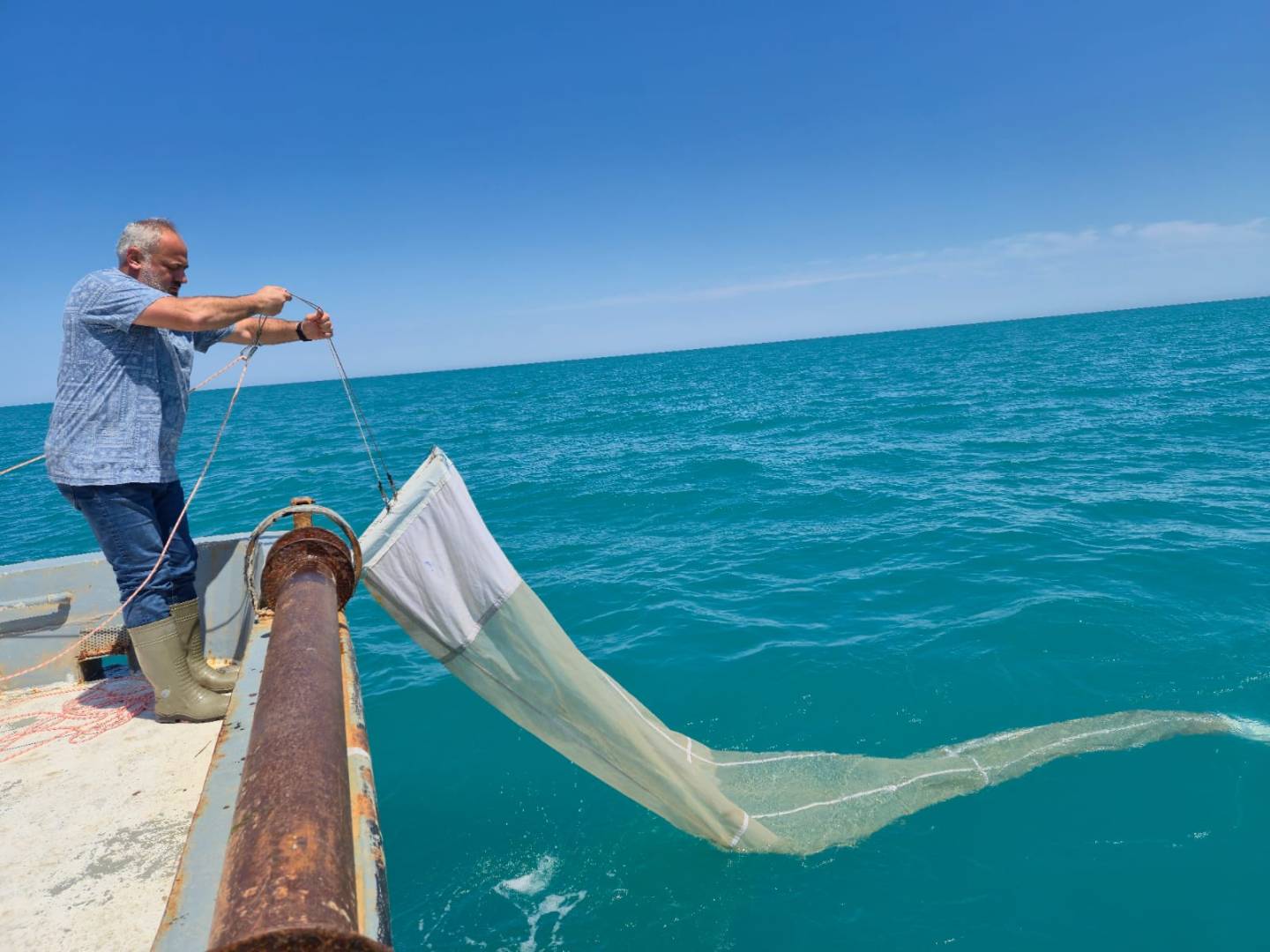
KTU’s watershed management approach is not limited to the physical management of water resources. Through the Sürmene Faculty of Marine Sciences and the Department of Marine Science and Technology Engineering, our University monitors aquatic species diversity, invasive alien species, habitat characteristics, and ecosystem services within the Black Sea Basin and uses the resulting scientific data in the development of management strategies.
One of the strongest examples of this approach in 2025 is the IASON+ Project.
The IASON+ Project takes into account the distinct habitat and biodiversity characteristics of the Danube, Nestos, Kızılırmak, Çoruh, and Colchis deltas within the Black Sea Basin. The project specifically recognises these delta ecosystems as areas of high biodiversity that are also vulnerable to the spread of invasive alien species.
The main objectives of the project include:
This demonstrates that our University adopts an approach that directly transforms data on local aquatic species diversity and ecological conditions into management strategies and action plans.
Evidence:
https://www.ktu.edu.tr/denizbiltek/iason
Watershed and Ecosystem Management Based on Species Diversity in the Kızılırmak Delta
A concrete example of KTU’s location-specific and species-based watershed management approach implemented in 2025 is the Kızılırmak Delta Protected Area.
The Kızılırmak Delta is one of the important wetlands of the Black Sea Basin and contains a variety of lake, reedbed, coastal, and freshwater habitats. Within the scope of IASON+, the presence, distribution, and impacts of aquatic invasive alien species on ecosystem services in the delta are systematically monitored.
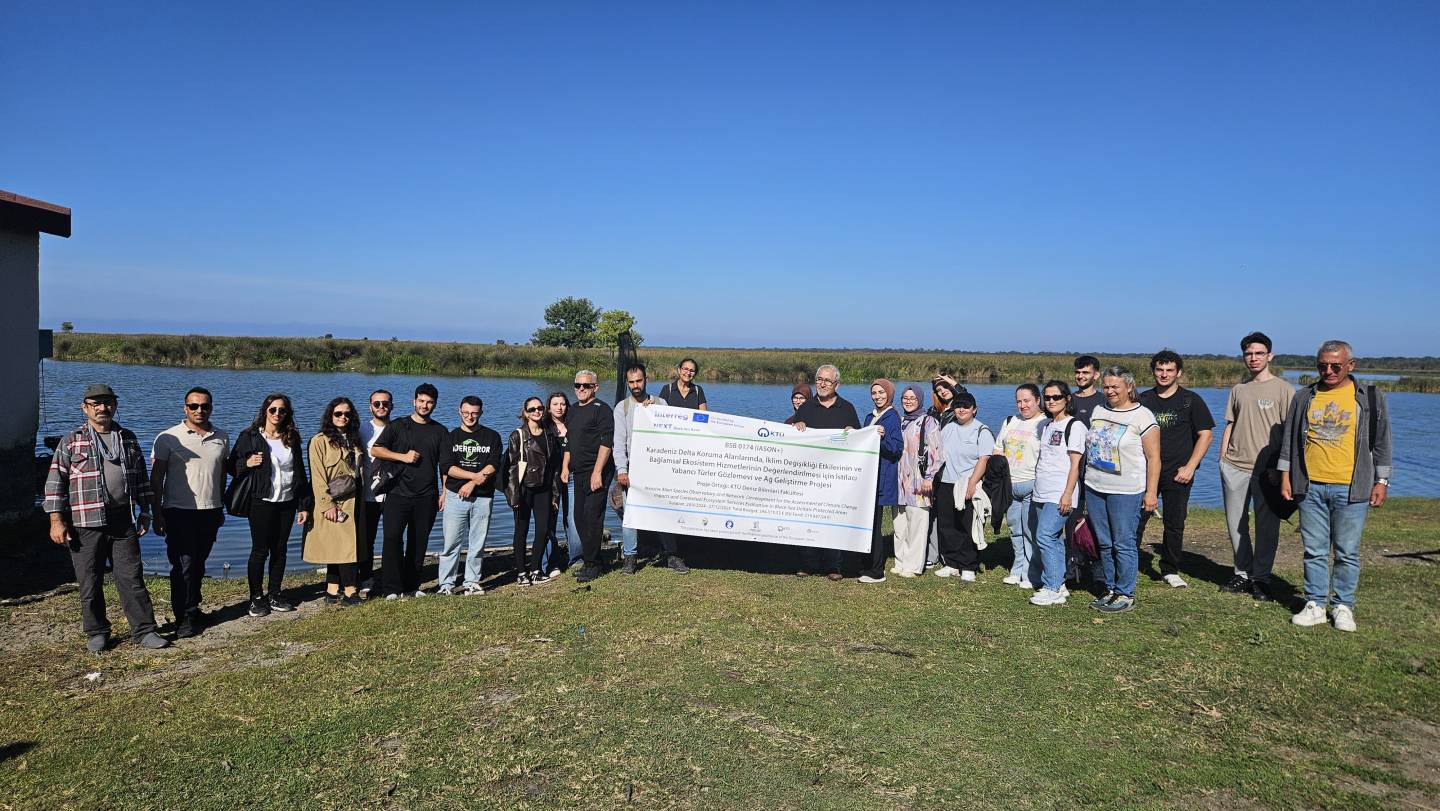
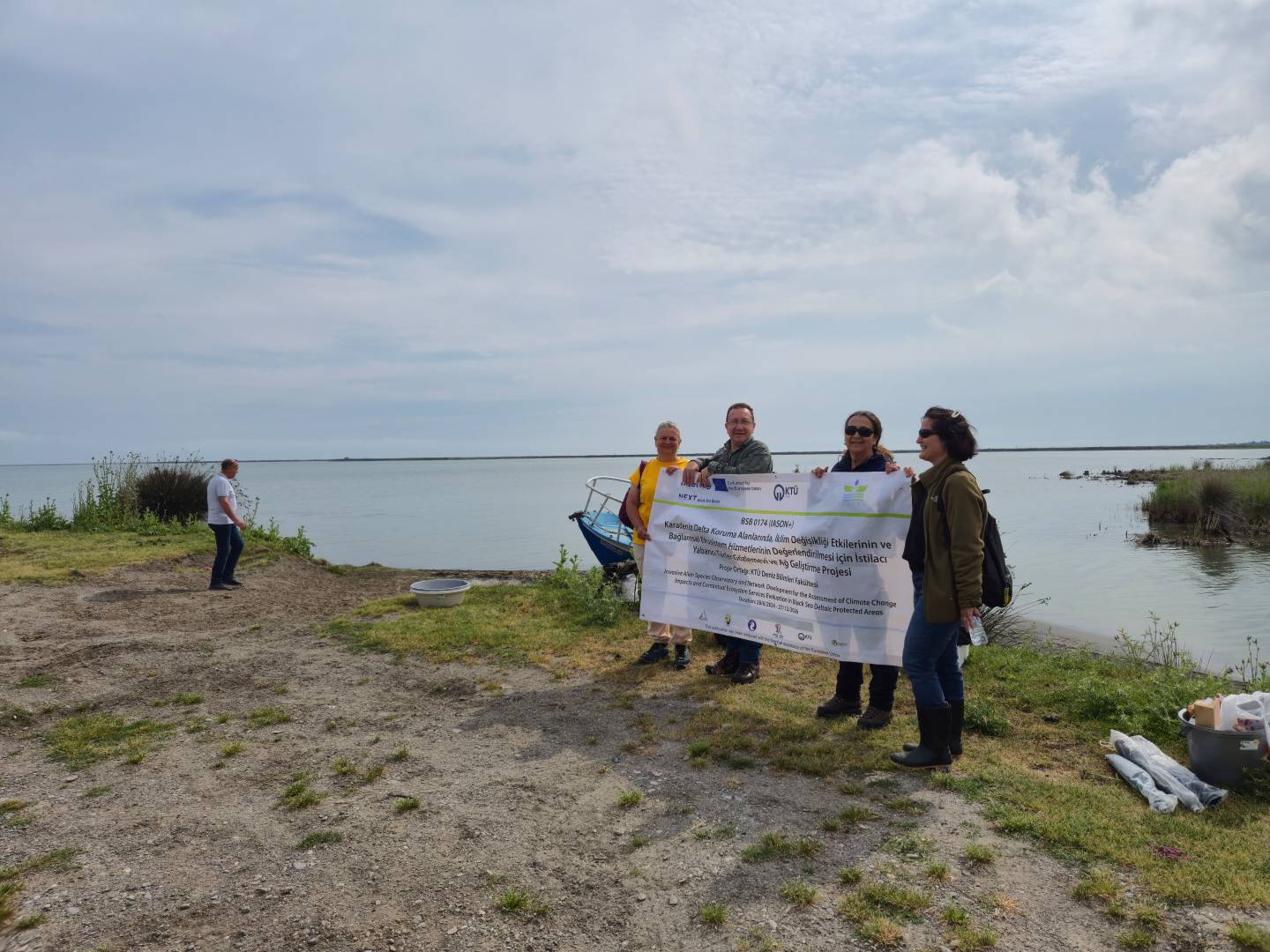
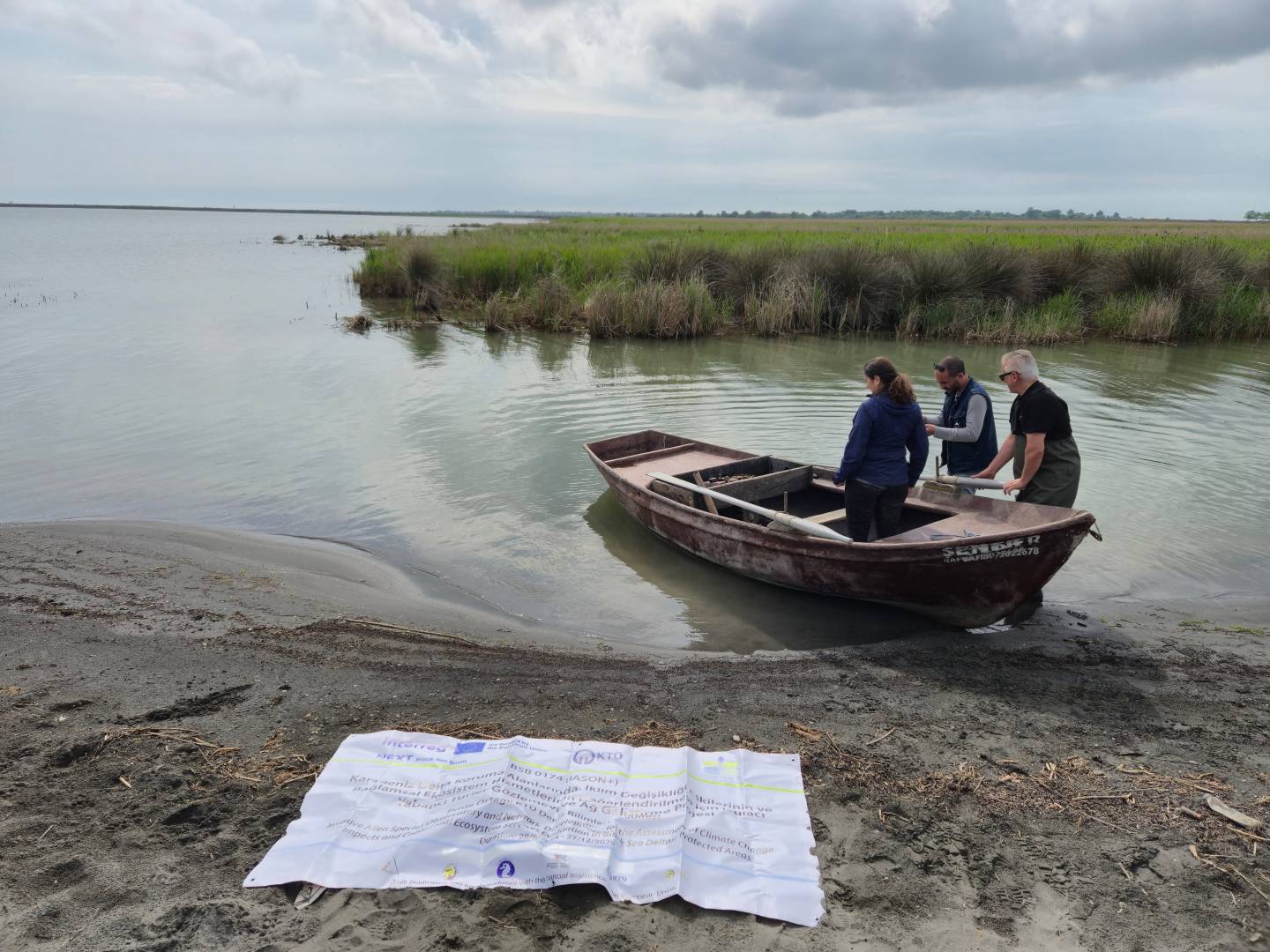
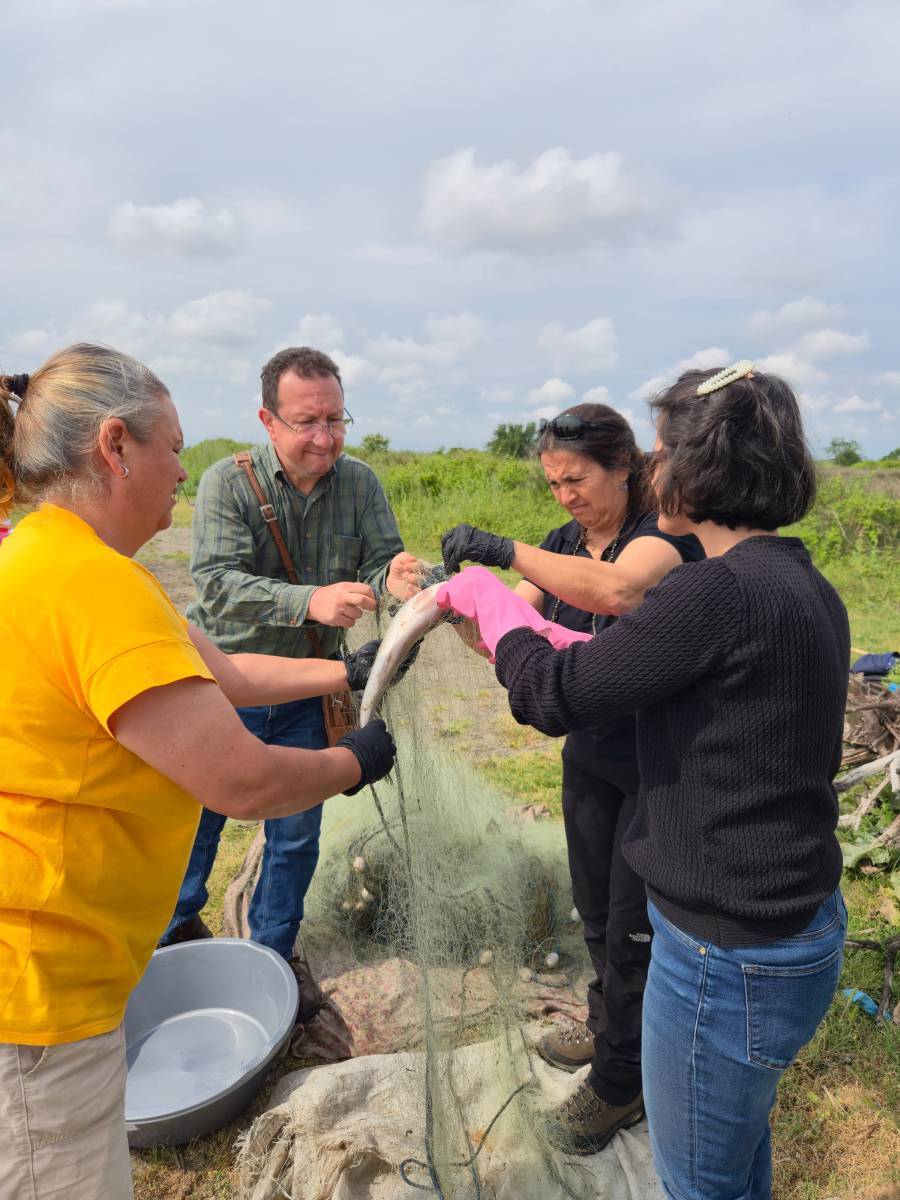
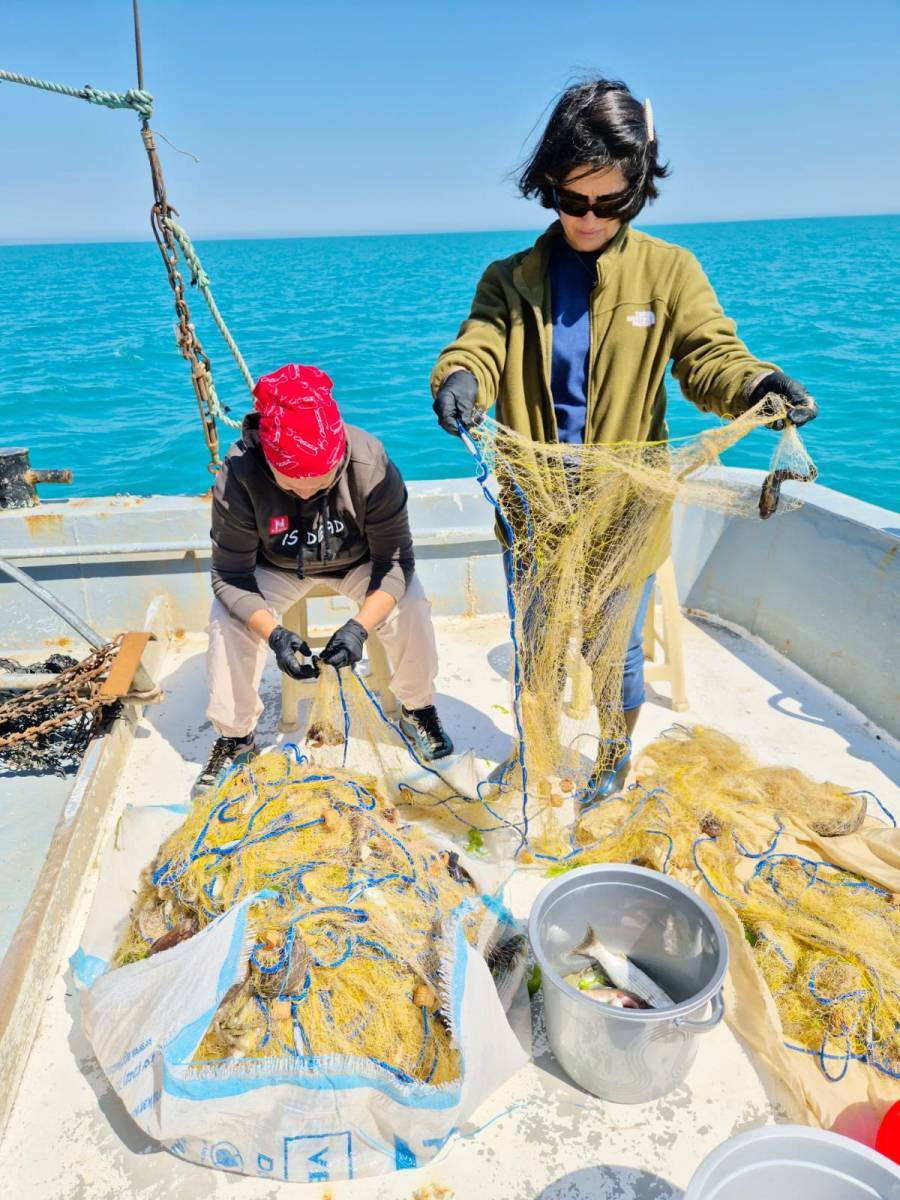
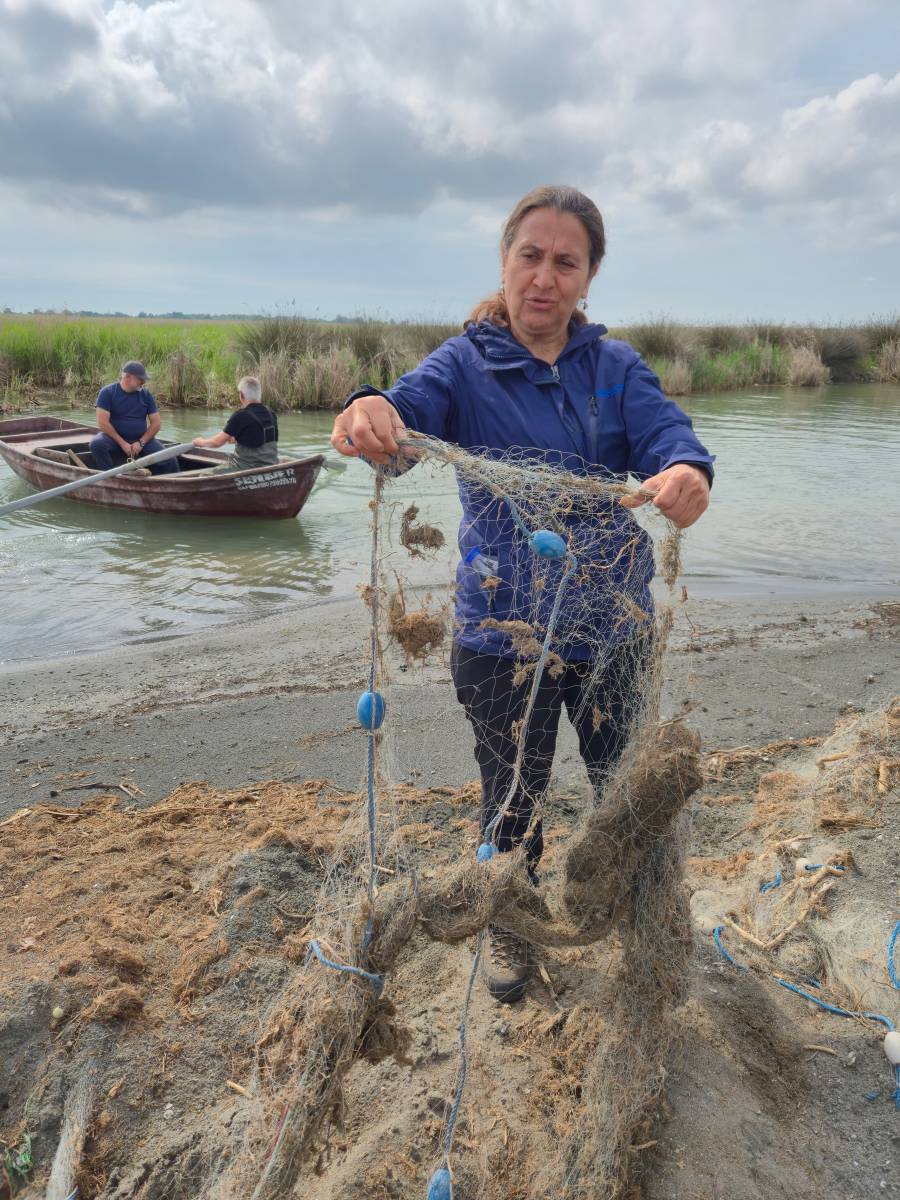
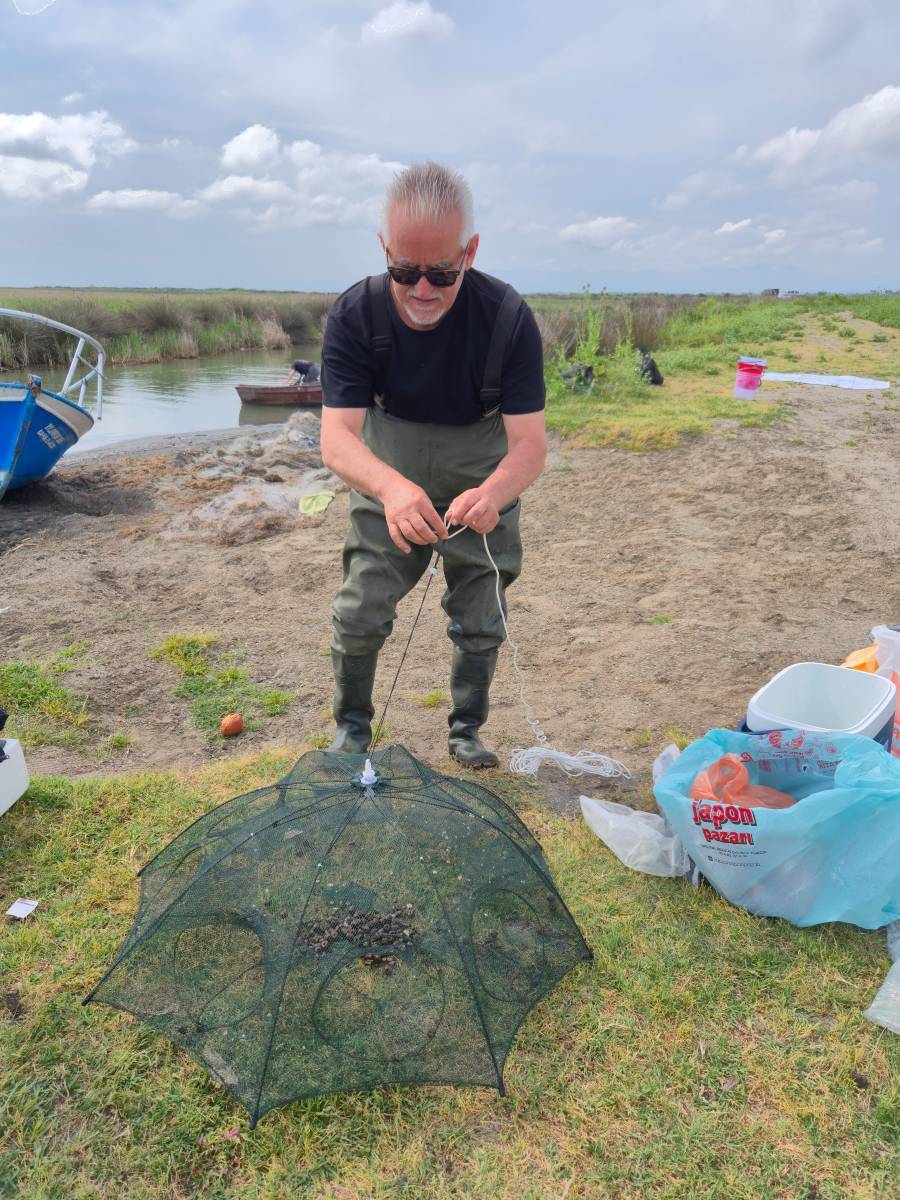
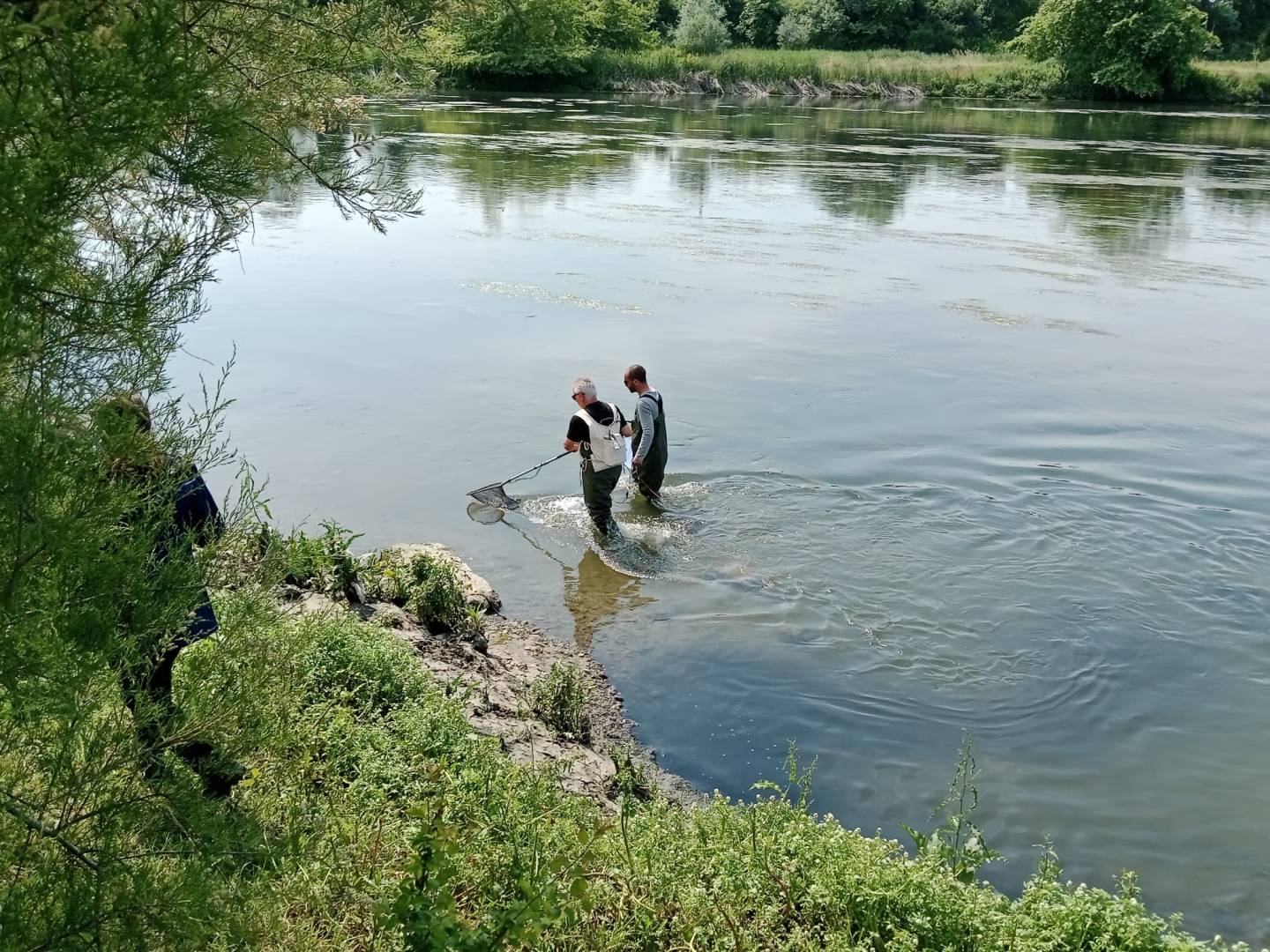
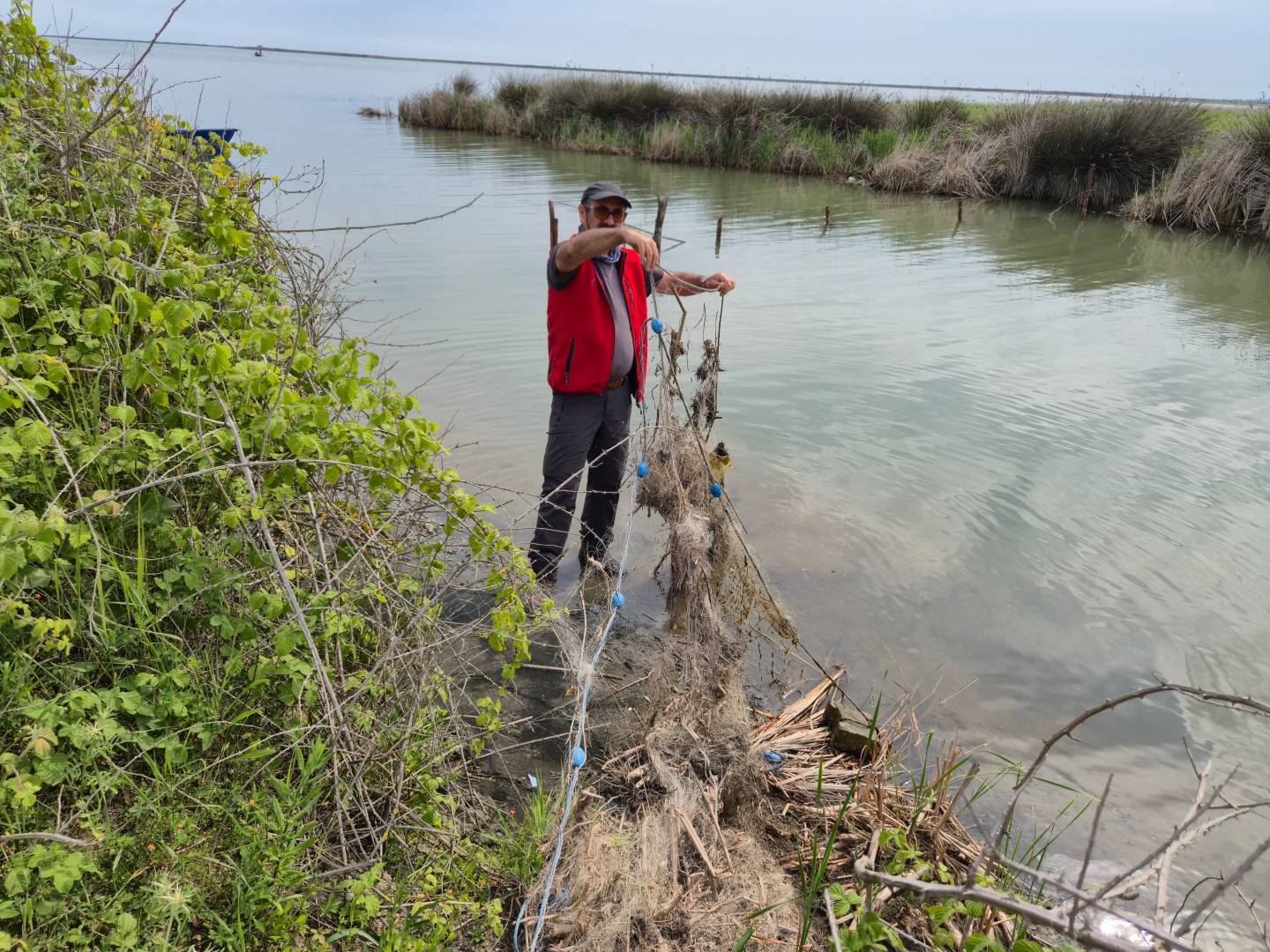
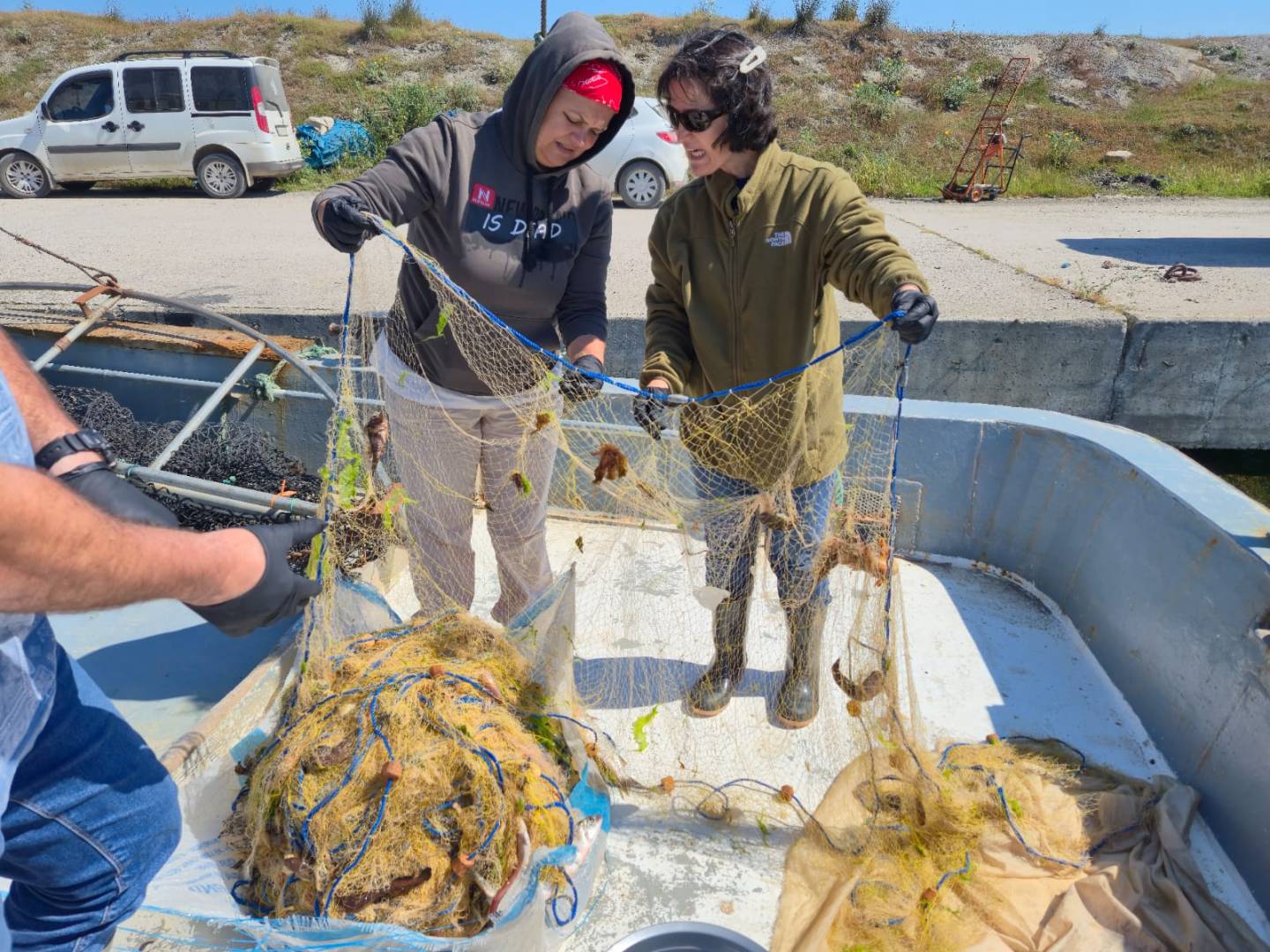
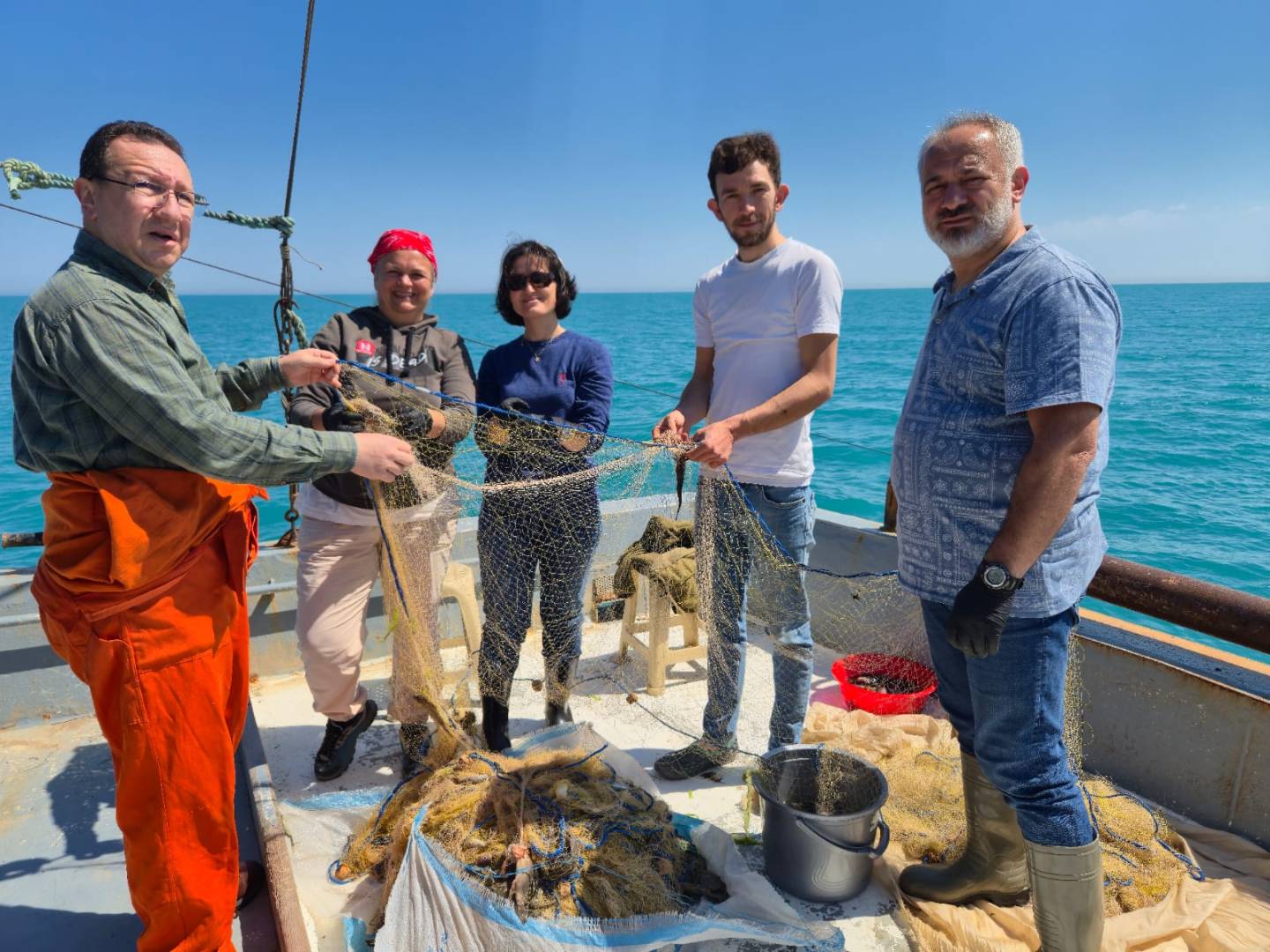
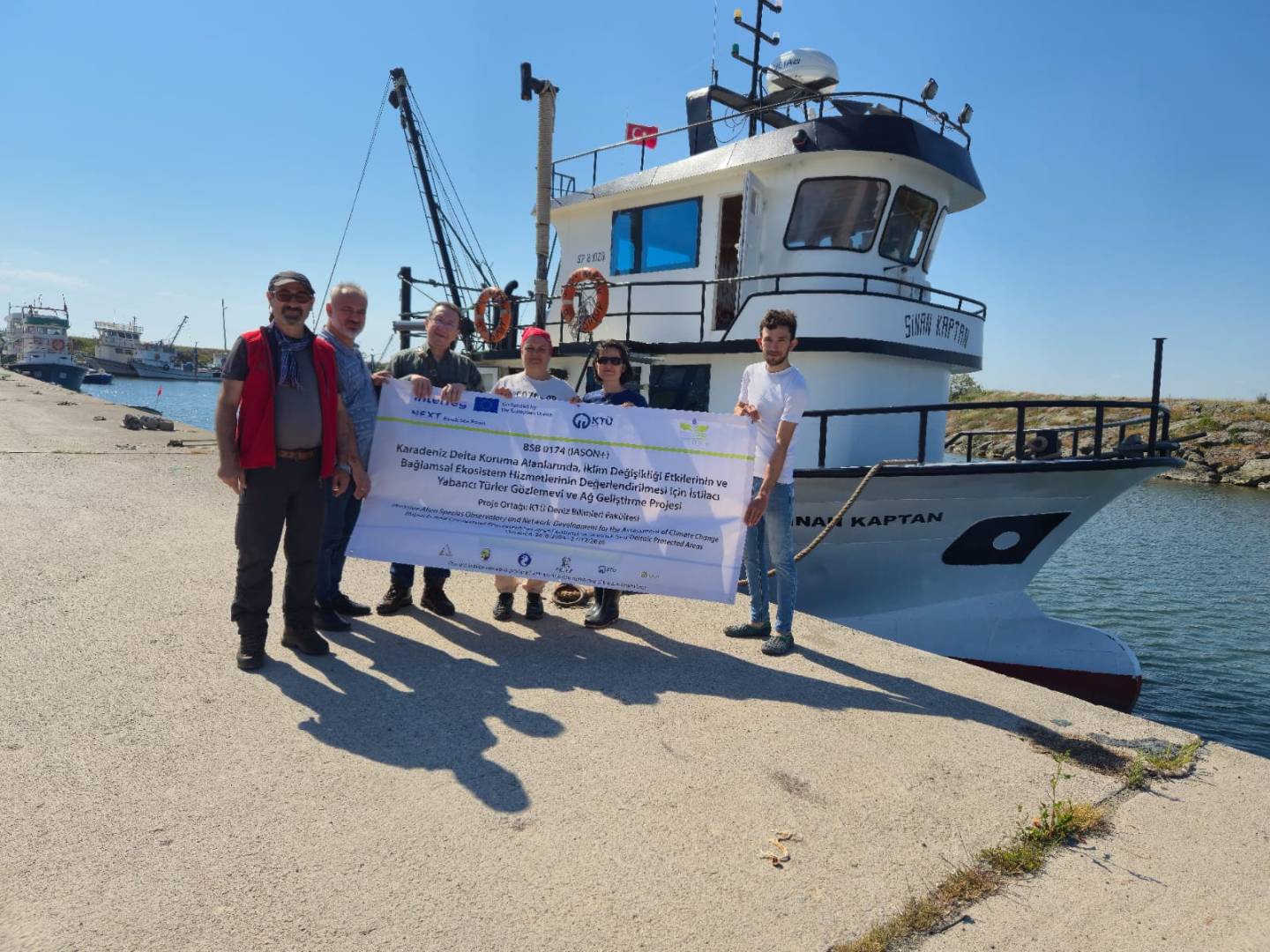
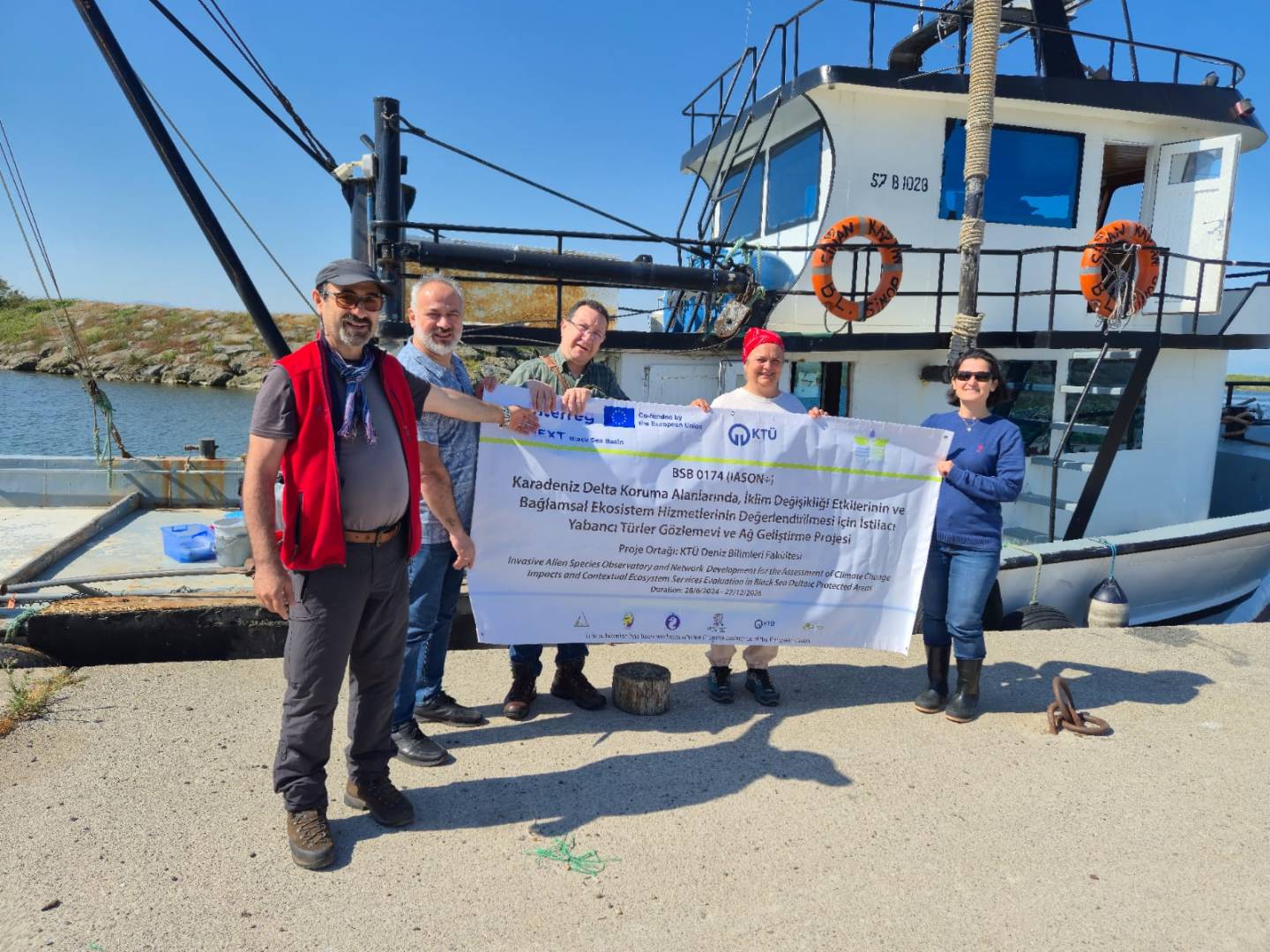
During the spring field study conducted on 29–31 May 2025, invasive alien aquatic species in the Kızılırmak Delta were directly monitored in the field, and their impacts on ecosystem services were assessed. The study aimed to identify species distribution trends and ecological impacts and was designed as part of a two-year monitoring programme.
Repeated Species Monitoring during the 2025 Autumn Period
To ensure continuity in the watershed management approach, activities in the Kızılırmak Delta were not limited to a single sampling period.
On 24–26 October 2025, aquatic invasive alien species monitoring was repeated in the Kızılırmak Delta Protected Area. This enabled comparison of data collected in different seasons and the identification of temporal changes in species distribution.
This approach demonstrates that watershed and wetland management is based on up-to-date biological data collected directly from the field.
Mapping the Spatial Distribution of Species
Species data generated within IASON+ are not used solely for inventory purposes. Monitoring results are transferred into spatial mapping and ecosystem modelling studies in order to determine species distribution within ecosystems and identify priority areas for management.
Subsequent evaluations of data collected during the spring and autumn 2025 field studies reported that 21 aquatic invasive alien species were monitored. These data are used to identify “hotspots” where species are concentrated and to estimate their potential future distribution under changing environmental conditions.
This system enables management priorities to be determined according to the location-specific distribution and ecological risks of species, rather than applying a uniform management approach across the entire watershed.
Integration of Ecosystem Services into the Management Strategy
KTU’s approach is not based solely on determining species numbers or distribution. Within the IASON+ Project, the impacts of invasive alien species on the following are assessed together:
The main objective of the project is to reduce the spread and impact of invasive species, increase the resilience of delta ecosystems, and maintain the sustainability of ecosystem services. Therefore, biological species data are directly linked to ecosystem and watershed management decisions.
Evidence:
https://www.ktu.edu.tr/denizbiltek/iason
Integrated Management Strategies and Action Plans Based on Local Conditions
One of the key outputs of the IASON+ Project is defined as the development of “Integrated Management Strategies and Action Plans.”
In developing these management strategies, the following characteristics of each delta area are taken into account:
Therefore, KTU’s approach differs from a general, one-size-fits-all water management model and instead reflects an adaptive management approach based on location-specific ecological data.
Evidence:
https://www.ktu.edu.tr/denizbiltek/iason
Participation of Local Stakeholders in Watershed Management
Local and regional stakeholders are also included in the process to ensure that watershed management is not based solely on scientific data generation.
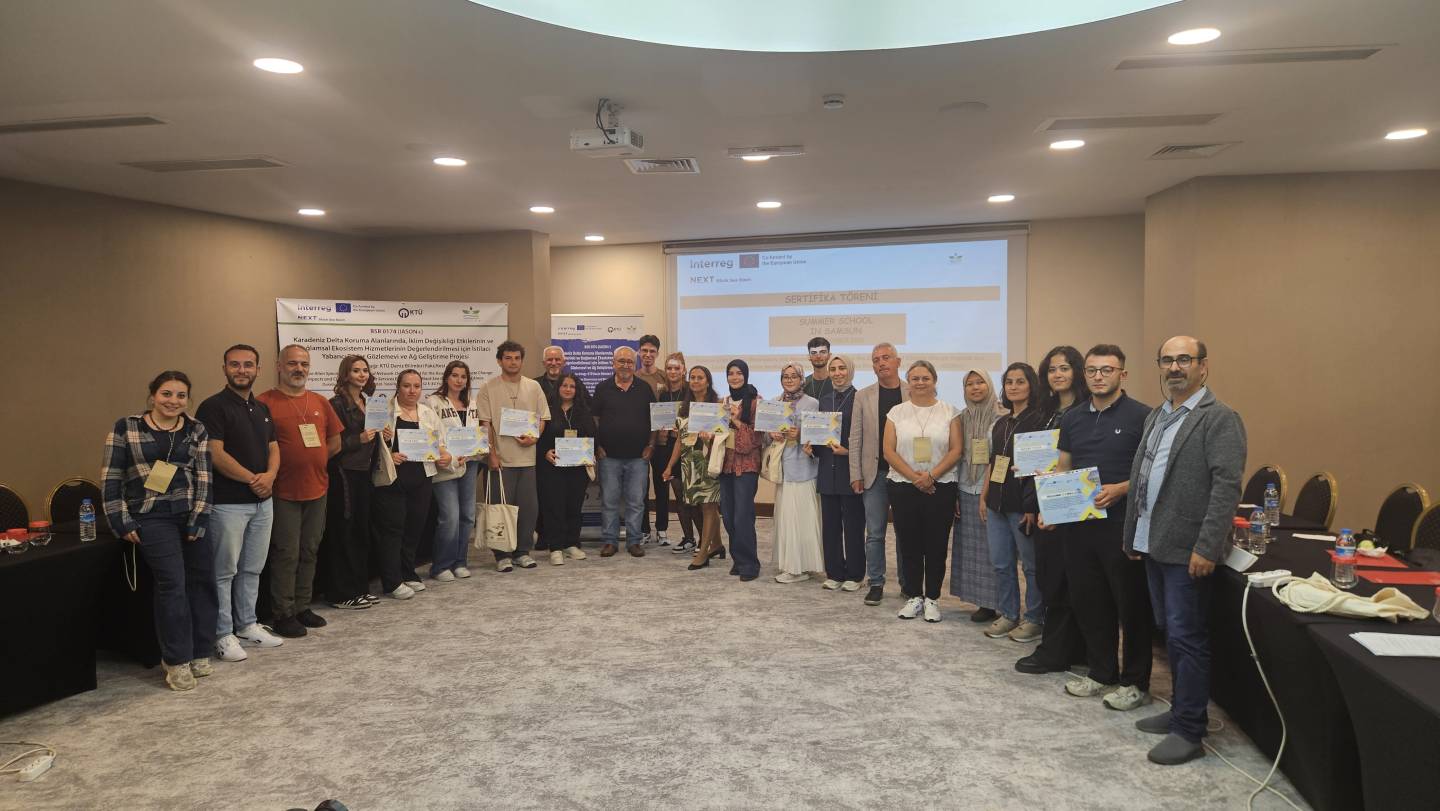
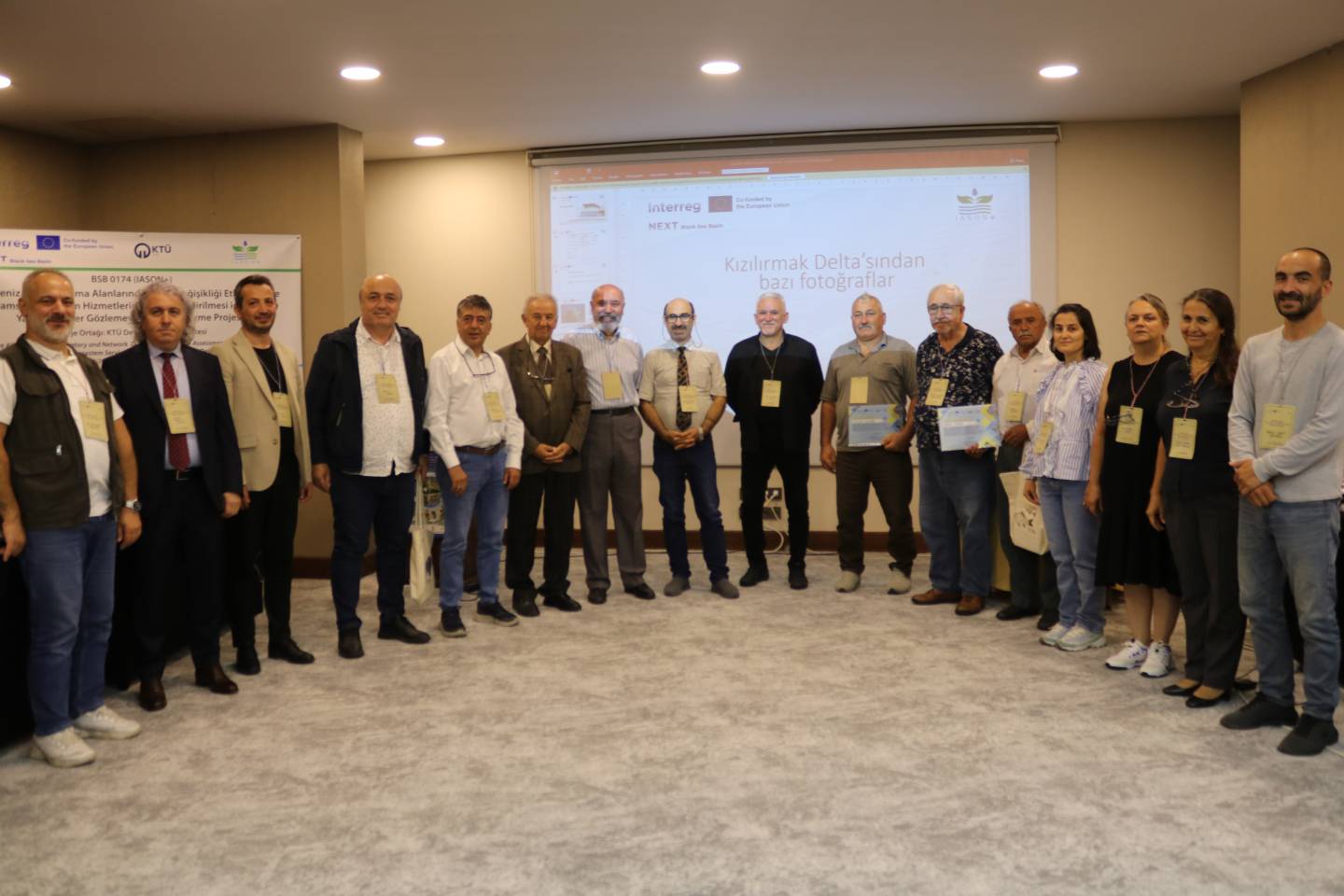
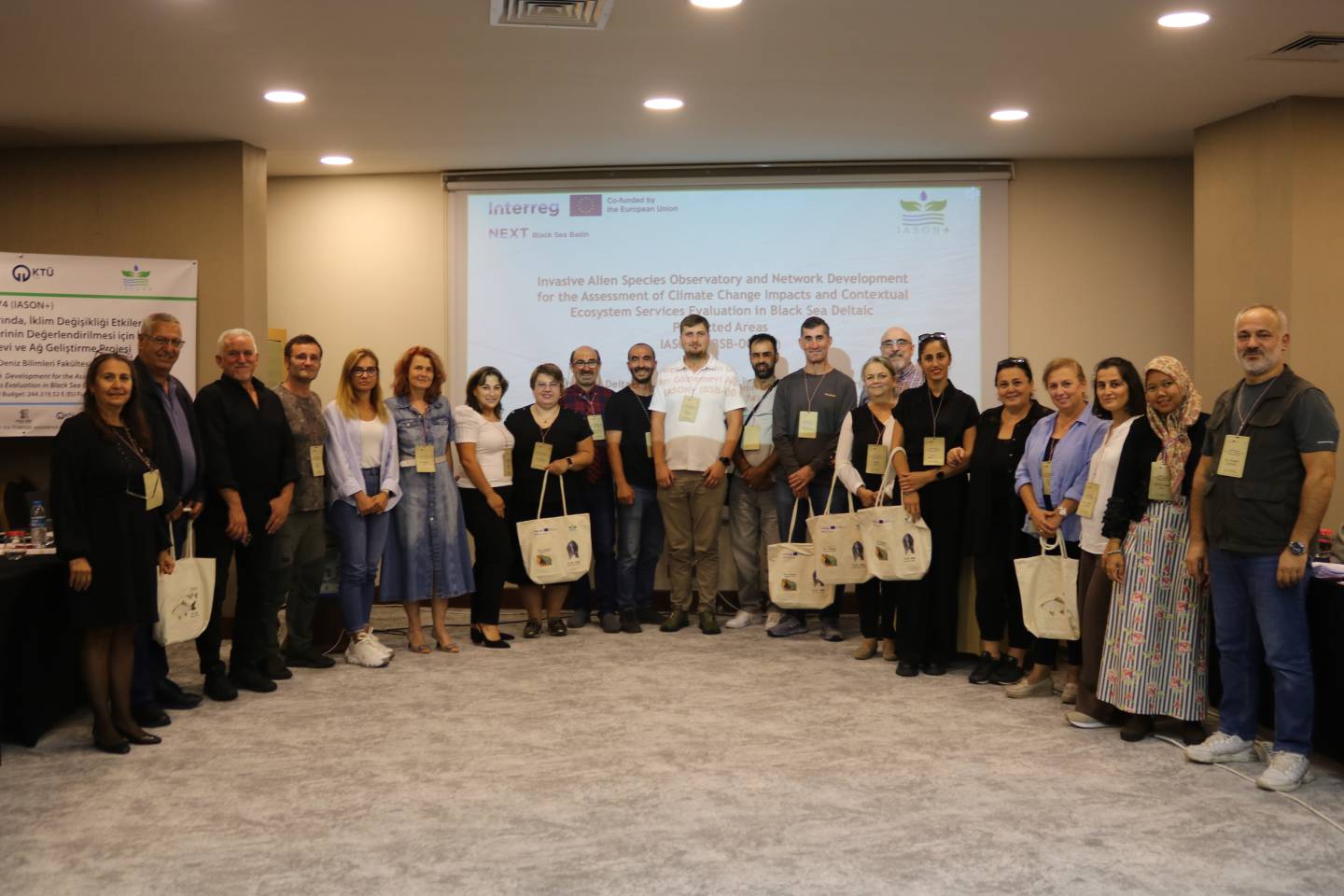
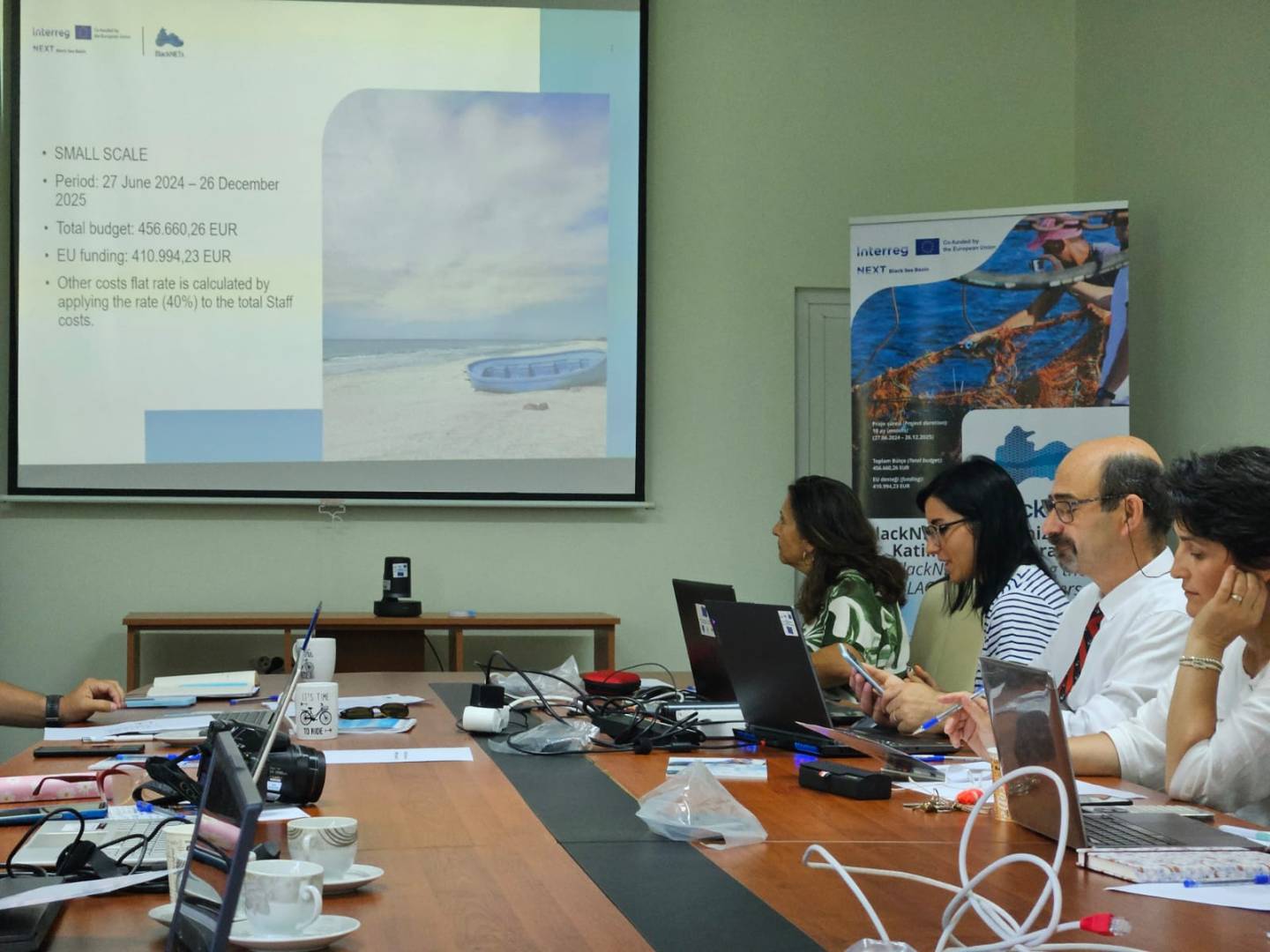
In this context, an IASON+ Information Day was held in Bafra on 27 October 2025. The event enabled relevant local stakeholders to receive information on invasive alien species in the Kızılırmak Delta and their impacts on the ecosystem.
Such activities contribute to the sharing of biological data collected in the field with local decision-makers and other stakeholders and support collaborative watershed management.
Evidence:
https://www.ktu.edu.tr/denizbiltek/haber/iason-projesi-info-day-bafrada-gerceklestirildi
Transboundary Management Approach in the Black Sea Basin
Since the Black Sea Basin is a large aquatic system shared by several countries, KTU’s watershed management approach also incorporates international cooperation.
Within IASON+, delta ecosystems in different countries are assessed jointly, and information on species distribution, impacts of invasive species, biodiversity, and ecosystem services is shared in order to develop a common management approach.
In this context, the project aims to bring together the experience, scientific data, good practices, and resources of different countries and delta regions in order to develop a coordinated and ecosystem-based management approach for the Black Sea Basin.
Evidence:
https://www.ktu.edu.tr/denizbiltek/iason
Karadeniz Technical University supports its institutional watershed management practices in 2025 not only through the protection of local water resources and management of water quality, but also through location-specific aquatic biodiversity data from the Black Sea Basin.
In particular, the spring and autumn species monitoring activities conducted in the Kızılırmak Delta under the IASON+ Project, the identification of the spatial distribution of invasive aquatic species, the assessment of their impacts on ecosystem services, and the development of Integrated Management Strategies and Action Plans based on these data demonstrate that location-specific aquatic species diversity is directly integrated into watershed and ecosystem management.