In 2025, our University operated institutional mechanisms that provided local farmers and food producers with access to university resources such as plant materials, application areas, laboratory and analytical services, advanced technological equipment, technical expertise, and research infrastructure in order to support the improvement of sustainable production practices.
One of the most direct mechanisms in this context is provided through the Hazelnut and Tea Application and Research Center (UYGAR). Under the Center’s current regulations, its primary objectives include disseminating scientific and technological developments related to hazelnut and tea to production areas, providing practical training to local producers on new propagation techniques, and supporting producers in meeting their needs for rootstocks, scion materials, and grafted seedlings. The Center is also tasked with supplying grafted and ungrafted planting materials and seeds in line with the needs of hazelnut and tea producers, supporting the production of different varieties, and establishing research and application areas. Its official activities also include providing technical support and consultancy to individuals and organizations seeking to establish hazelnut and tea orchards, as well as cooperating in the provision of grafted and ungrafted seedlings, certified scion materials, and rootstocks. This structure enables producers to access not only academic knowledge but also plant materials and practical production resources directly.
Evidence: https://www.ktu.edu.tr/findikcayuam/yonetmelik
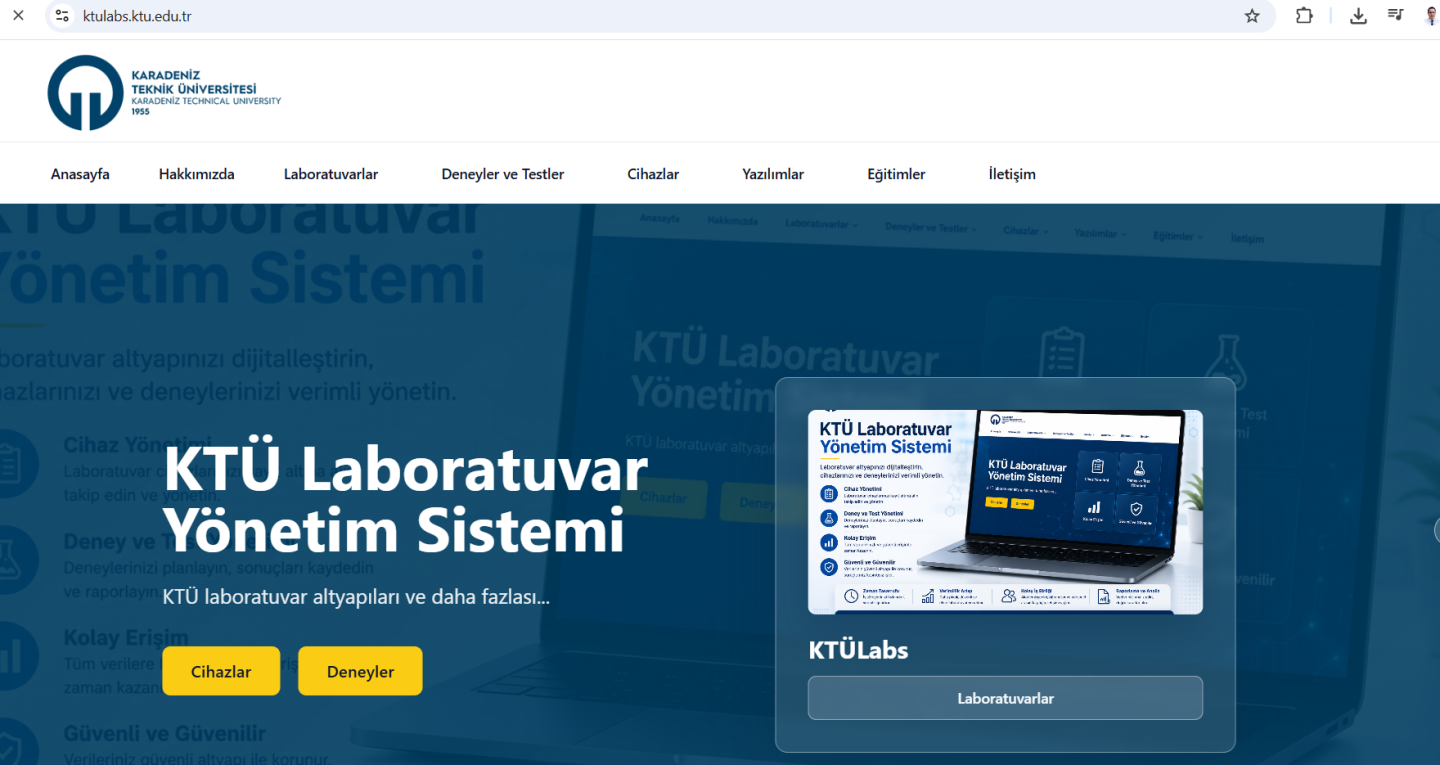
Our University also makes its laboratory and technological infrastructure available to external stakeholders. The KTU Laboratory Management System provides external stakeholders with access, through a single platform, to laboratories, equipment, testing, and analytical services offered by the University to public institutions and the private sector. Through this system, external users can search for the tests, analyses, or equipment they require and contact the relevant laboratory personnel directly. This structure provides an institutional mechanism through which local producers, producer organizations, cooperatives, and food businesses can access suitable university laboratory and technological infrastructure according to their needs.
Evidence: https://ktulabs.ktu.edu.tr/
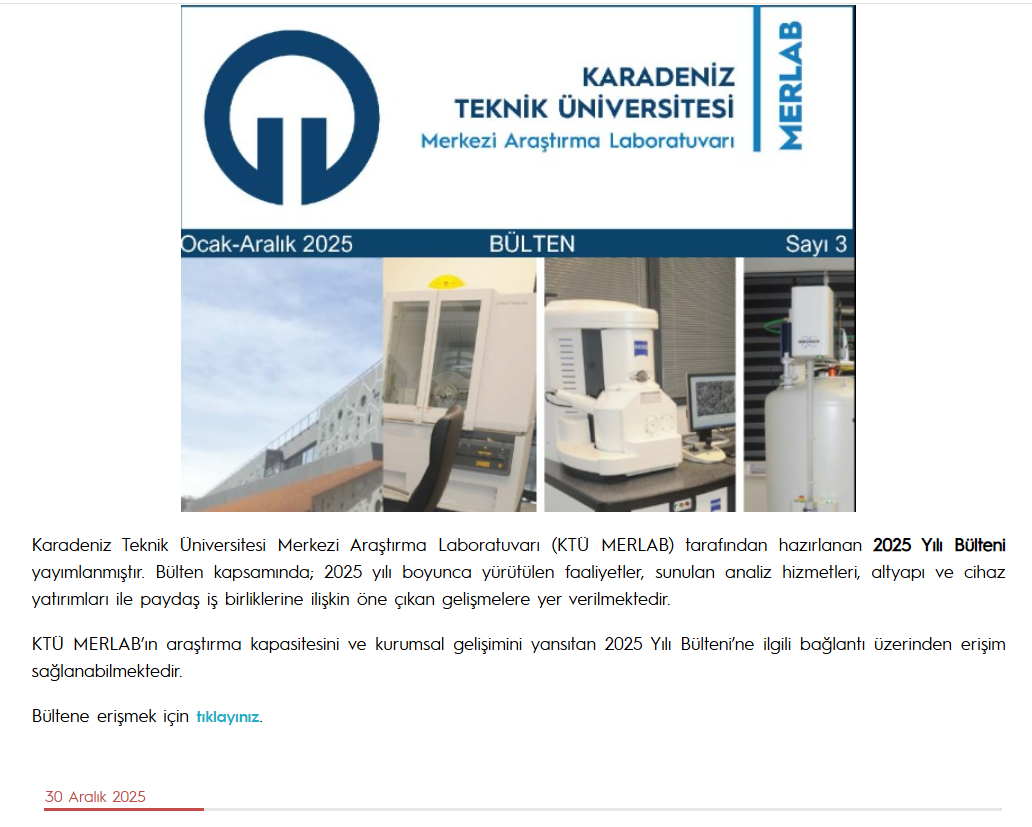
An important piece of evidence demonstrating that this access was active in 2025 is the Analysis Service Agreement of the KTU Central Research Laboratory (MERLAB), dated 7 March 2025. The agreement regulates access to analytical services by external “individuals/institutions,” allowing external users to submit samples and benefit from the University’s analytical infrastructure and, where necessary, to be present in the laboratory during the analysis. MERLAB’s analytical services, infrastructure and equipment investments, and collaborations with external stakeholders throughout 2025 were also documented in the Center’s 2025 Annual Bulletin.
Evidence: https://www.ktu.edu.tr/merlab/analizhizmetsozlesmesi; https://www.ktu.edu.tr/merlab/haber/ktu-merlab-2025-yili-bulteni-yayimlanmistir-W
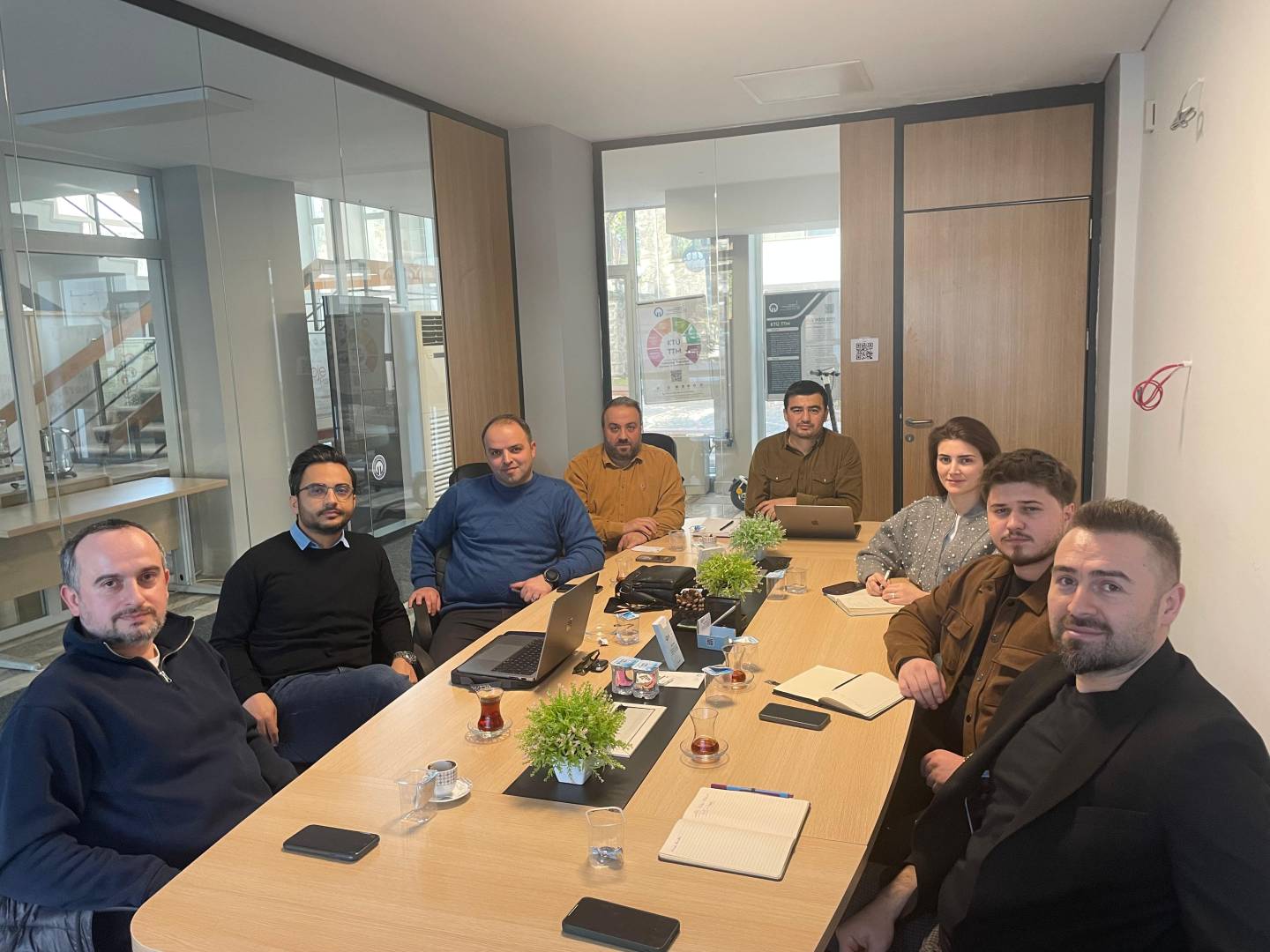
One practical example of local food and aquaculture producers accessing the University’s research and technology capacity is the university–industry collaboration carried out in 2025 with POLIFISH Marine and Aquaculture Products. During a meeting held on 29 January 2025 at the KTU Technology Transfer Application and Research Center with the company, which operates in the Arsin Organized Industrial Zone, potential projects that could be developed in response to the company’s needs were evaluated. Through follow-up visits and academic–industry matching activities conducted during the year, the company was connected with KTU research teams and the University’s academic expertise. This process represents a practical example of institutional access by a local aquaculture producer to the University’s R&D, expertise, and technology development capacity.
In conclusion, in 2025, our University provided institutional mechanisms that enabled local farmers and food producers to access university resources, including plant materials and seedling stocks, application and research areas, laboratory and analytical services, advanced technological equipment, academic expertise, and R&D infrastructure, in order to support more sustainable production practices. This access is provided on a sustainable and institutional basis particularly through the Hazelnut and Tea Application and Research Center (UYGAR), MERLAB, the KTU Laboratory Management System, and the Technology Transfer Application and Research Center.