Our University implements education, health screening, counselling, and awareness programmes to improve public access to basic services, particularly in the areas of health, nutrition, preventive healthcare, hygiene, and sanitation. Among the University’s activities in 2025, there were numerous programmes delivered directly to the local community with the aim of improving access to health and nutrition-related services.
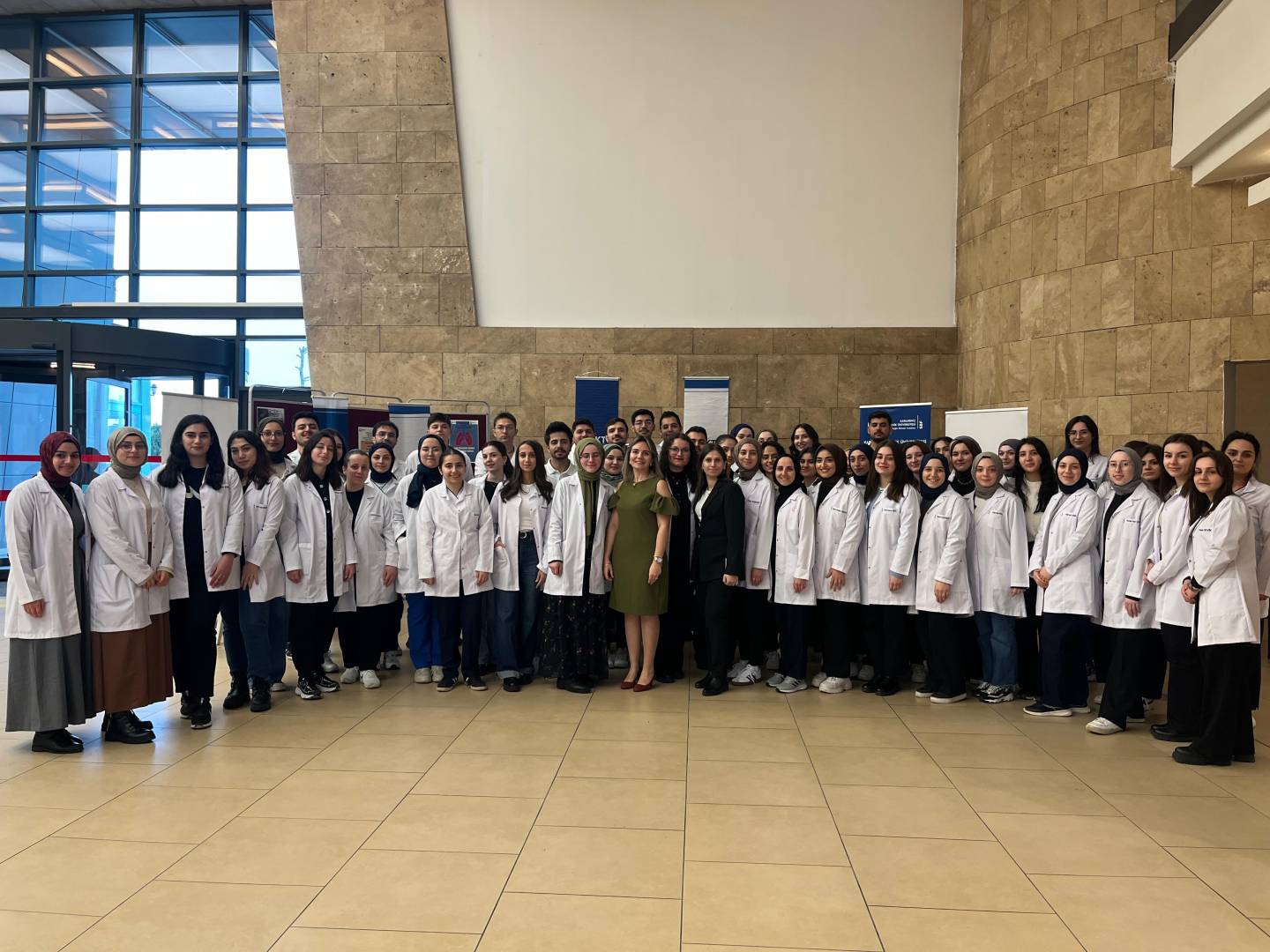
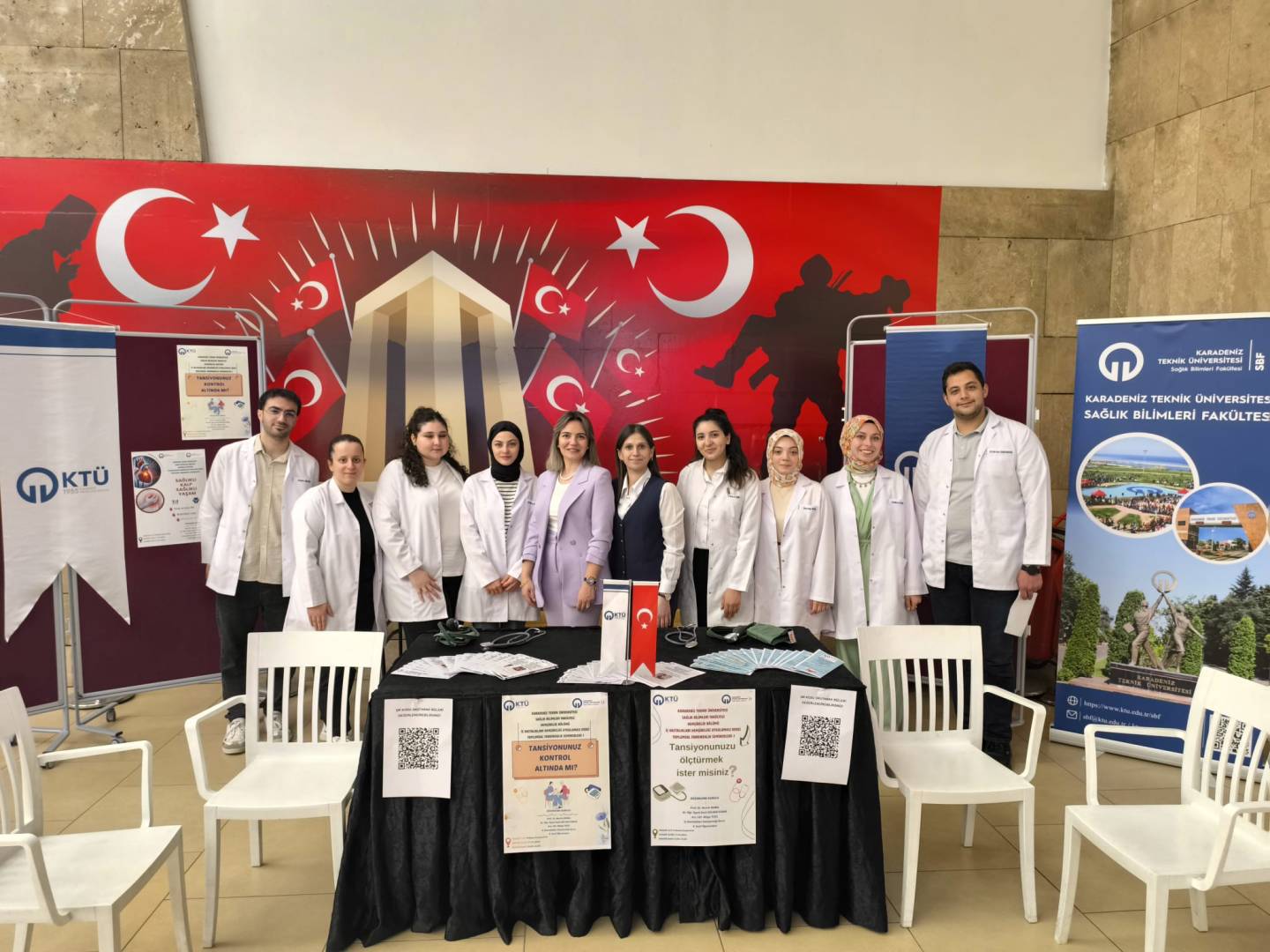
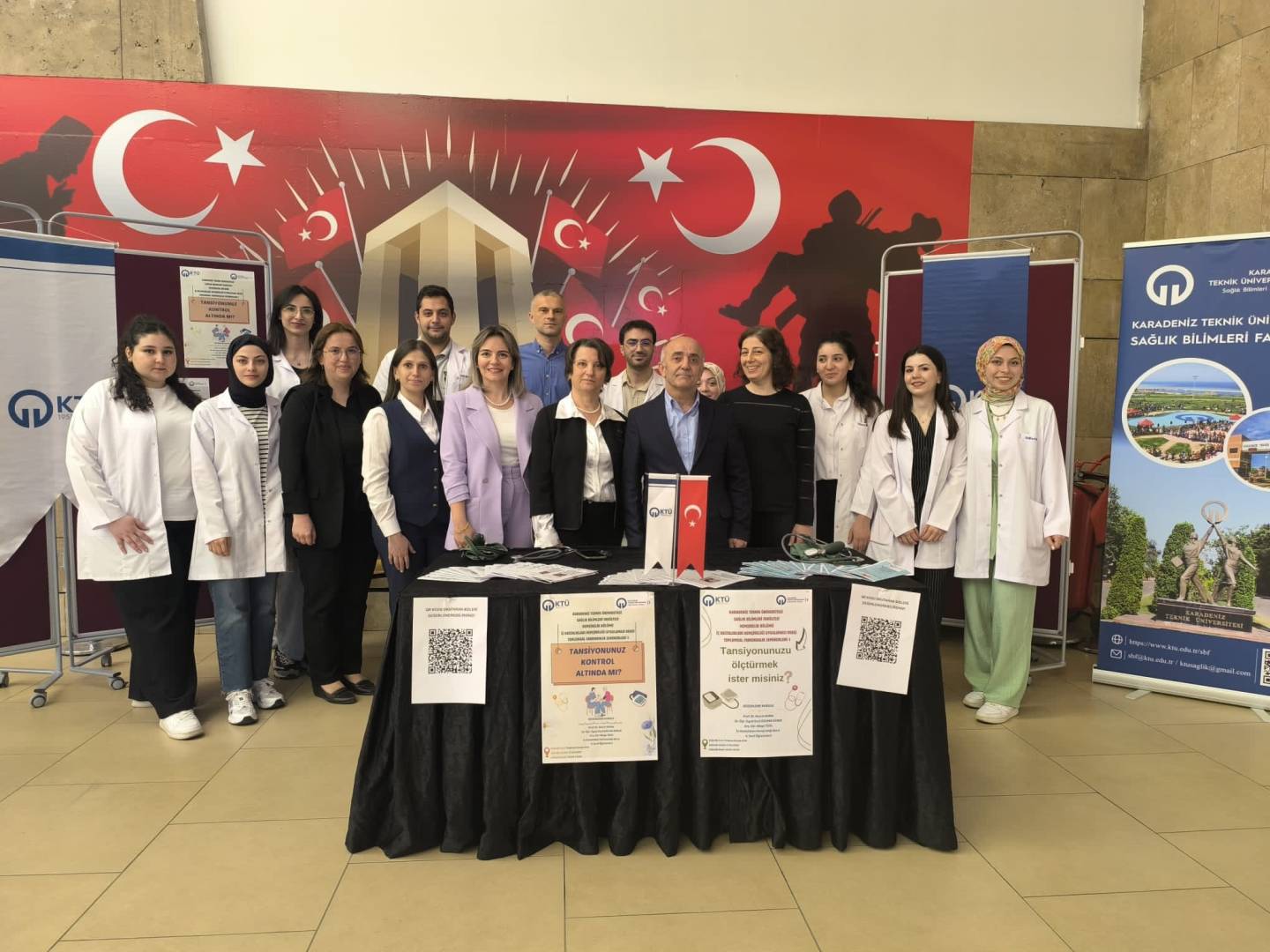
One of the most comprehensive examples of this approach in 2025 was organised by the Department of Nursing, Faculty of Health Sciences, at Trabzon Forum Shopping Centre on 17–19 March 2025. During the three-day programme, which was open to the local community, training was provided on “Protecting Lung Health,” “Hypertension and Heart Attack,” and “Early Diagnosis and Screening Methods in Cancer.” In addition, KTÜ academic staff and Nursing Department students directly measured the blood pressure of members of the public and provided information about their health status. Approximately 700 people had their blood pressure measured during the programme. In this way, the University not only provided health awareness education but also enabled the local community to directly access basic preventive health assessments
Evidence: https://www.ktu.edu.tr/sbf/haber/ktu-hemsirelik-bolumunden-toplum-sagligina-katki
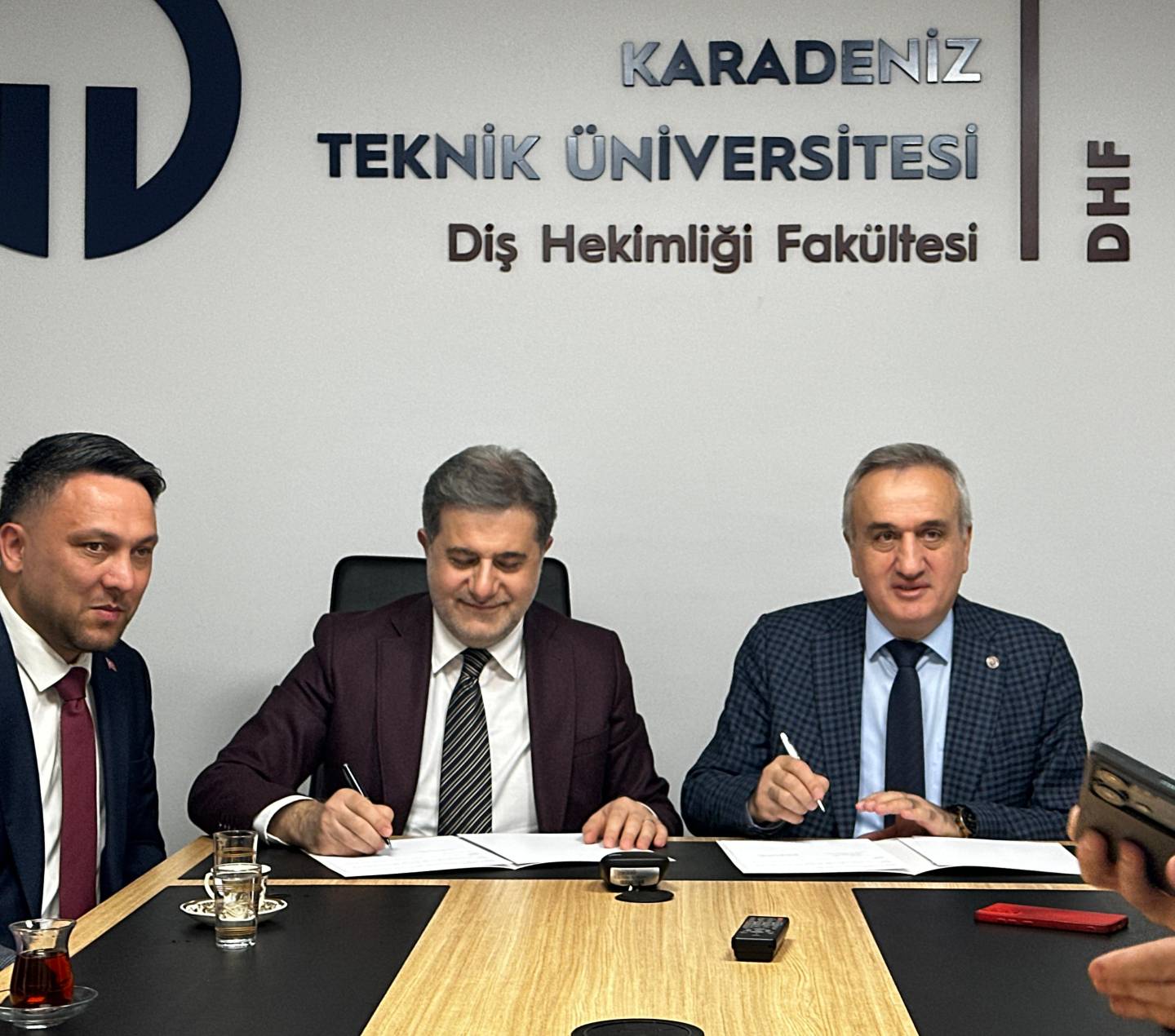
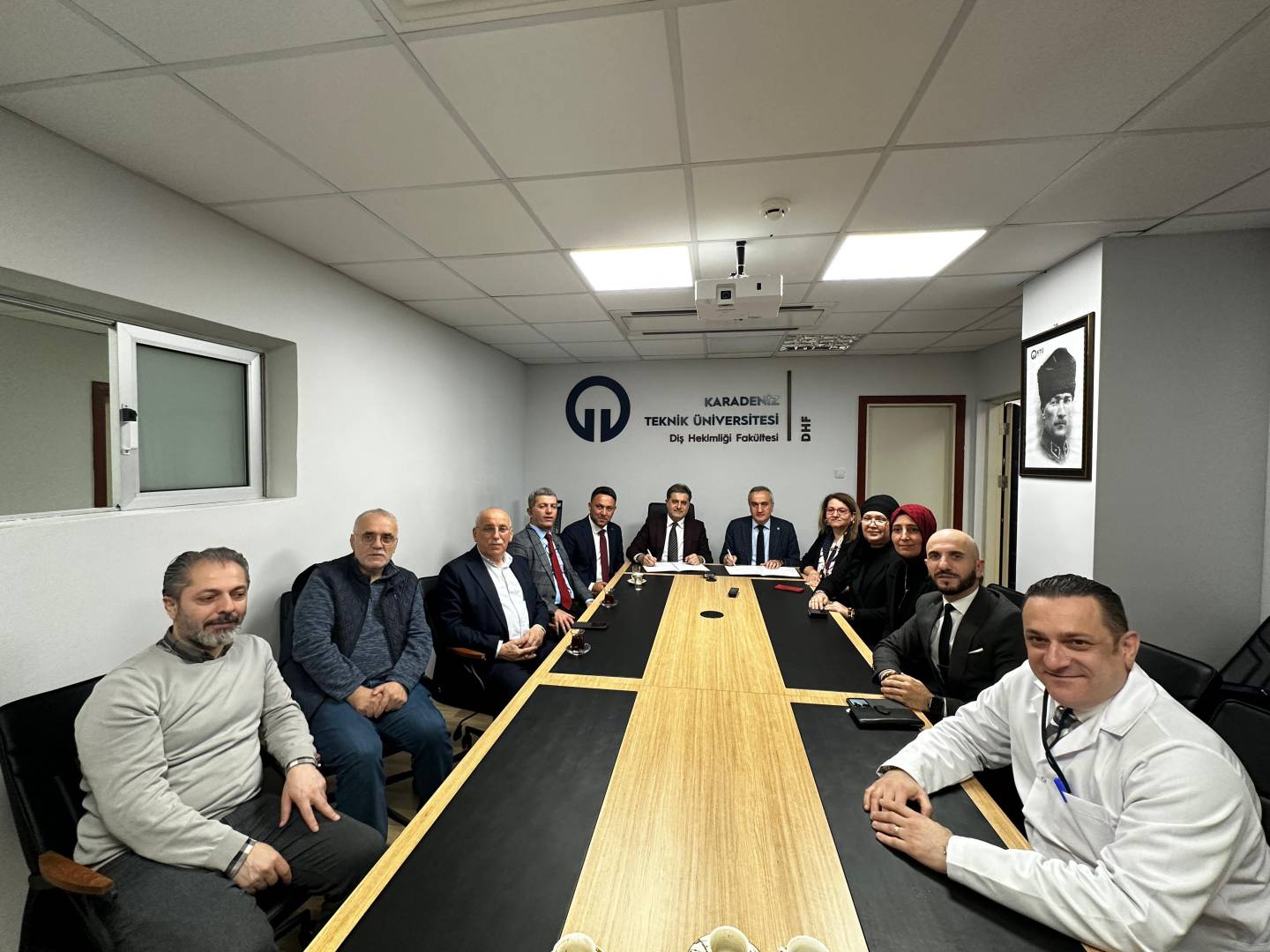
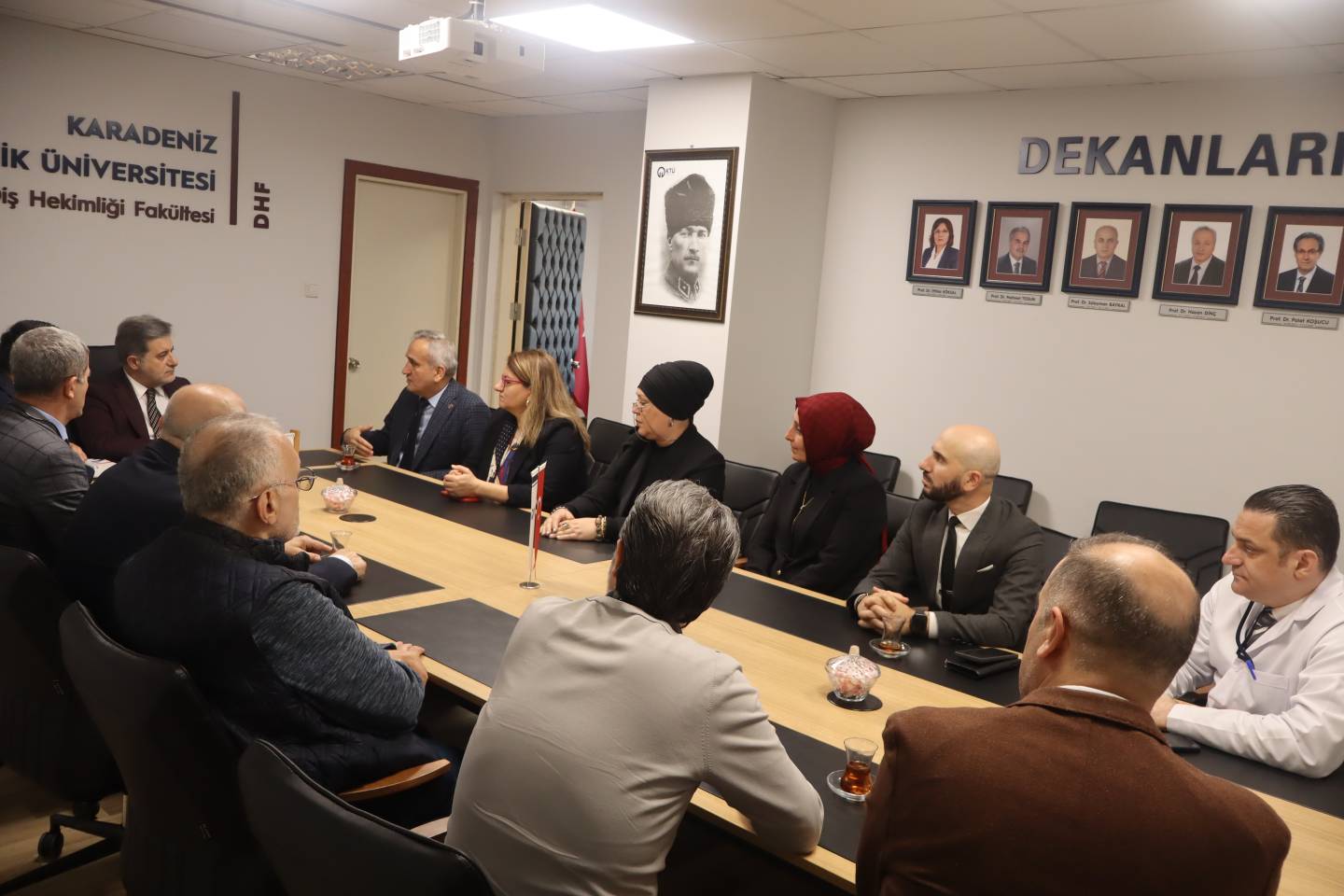
In 2025, our University also established an institutional and ongoing programme for individuals with special needs who may require additional support in accessing basic healthcare services. Under the Protocol for Social Responsibility Projects and Educational Seminars, signed on 15 May 2025 between the KTÜ Faculty of Dentistry and the Trabzon City Council, it was agreed to provide preventive dental services, oral and dental health screenings, and educational activities at special education schools in Ortahisar, the Barrier-Free Life Academy, and the Special Hearts Education Building. KTÜ provides academic staff, students, and healthcare personnel for these services
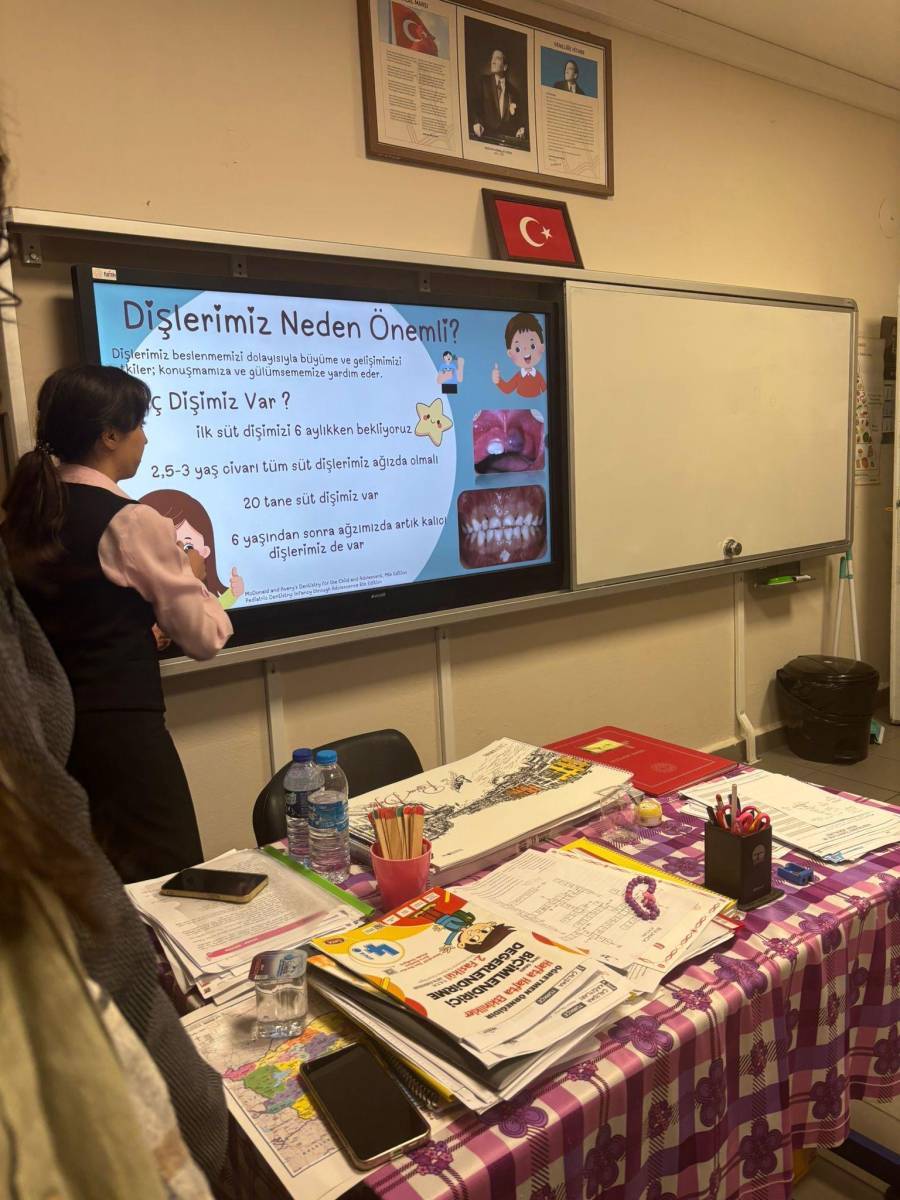
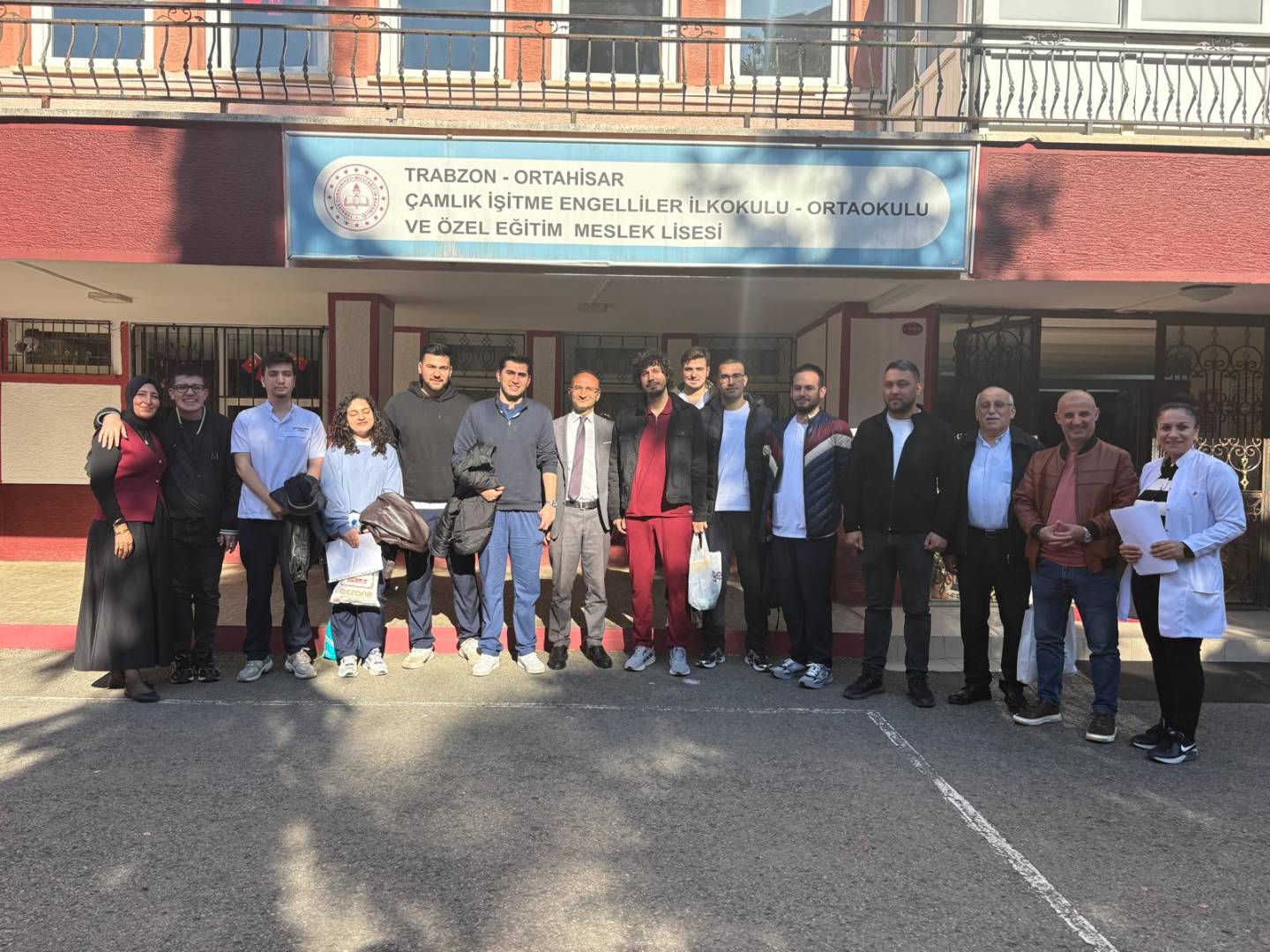
This programme was implemented regularly at different institutions throughout 2025. At institutions such as Erdoğdu Vocational Training and Practice School, Çamlık Primary and Secondary School for the Hearing Impaired and Special Education Vocational High School, and Gazipaşa Special Education Practice School, the oral and dental health of students with special needs was directly assessed; screenings were carried out; preventive health information was provided; correct tooth-brushing techniques were demonstrated in practice; and materials supporting personal hygiene behaviours were distributed. These activities demonstrate that the University does not limit its health services to the campus, but instead delivers them directly to groups that may experience disadvantages in accessing healthcare services
Evidence: https://ktu.edu.tr/dents/haber/erdogdu-is-egitim-uygulama-okulunda-sosyal-sorumluluk-faaliyeti-gerceklestirildi; https://www.ktu.edu.tr/dents/haber/camlik-isitme-engelliler-ilkokulu-ortaokulu-ozel-egitim-meslek-lisesi-okulunda-sosyal-sorumluluk-faaliyeti-gerceklestirildi; https://www.ktu.edu.tr/dents/haber/gazipasa-ozel-egitim-uygulama-okulunda-sosyal-sorumluluk-faaliyeti-gerceklestirildi
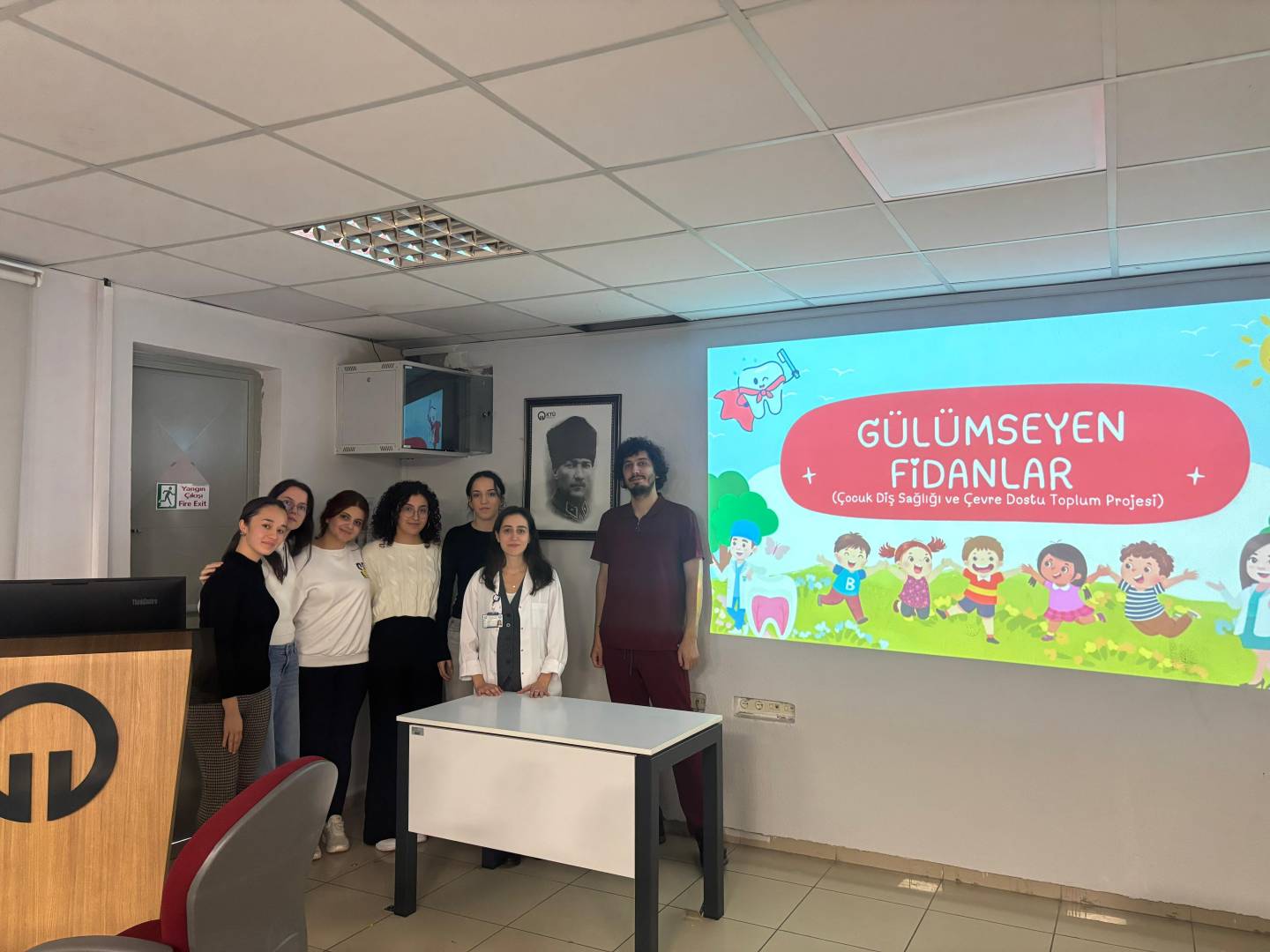
Our University’s activities aimed at bringing basic healthcare services to the local community also extended to rural areas. In the “Smiling Saplings” project carried out in Kutlugün village in 2025 in cooperation with the Faculty of Dentistry and Ortahisar Municipality, children and parents received education on oral and dental health, the prevention of tooth decay, and preventive dentistry. In addition, oral examinations were directly performed for children whose parents requested them, and feedback was provided to families. In this way, basic health services were brought directly to a rural community outside the University campus
Evidence: https://www.ktu.edu.tr/dents/haber/gulumseyen-fidanlar
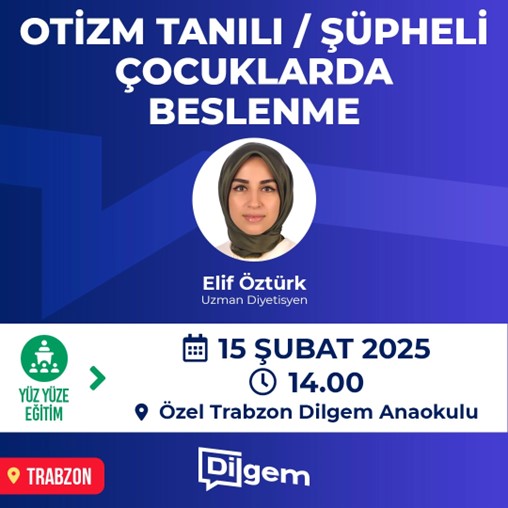
Community-oriented programmes were also implemented in 2025 in relation to the nutrition dimension of basic services. The Department of Nutrition and Dietetics provided training sessions titled “Autism and Nutrition” and “Nutrition in Children with Special Needs” for families of children with special needs and created question-and-answer opportunities through which families could discuss their individual nutritional concerns with experts. In addition, on 10 April 2025, a community education programme entitled “Optimise Your Nutrition, Protect Your Health” was organised at the Trabzon Faruk Başaran Science and Art Centre. These programmes aimed to extend access to expert nutrition knowledge to different groups within the community
Evidence: https://www.ktu.edu.tr/sbfbeslenme/haber/otizm-spektrum-bozuklugunda-beslenme
The University’s activities in 2025 also covered the areas of sanitation and hygiene. The training programme entitled “Integrated Approaches to Environmental Sustainability: Water, Waste, and Climate Change Resilience,” held in December 2025, addressed climate-related risk assessment in the Water, Sanitation and Hygiene (WASH) sector, the development of resilient WASH systems in urban and rural settings, capacity building for local stakeholders, and the strengthening of community participation
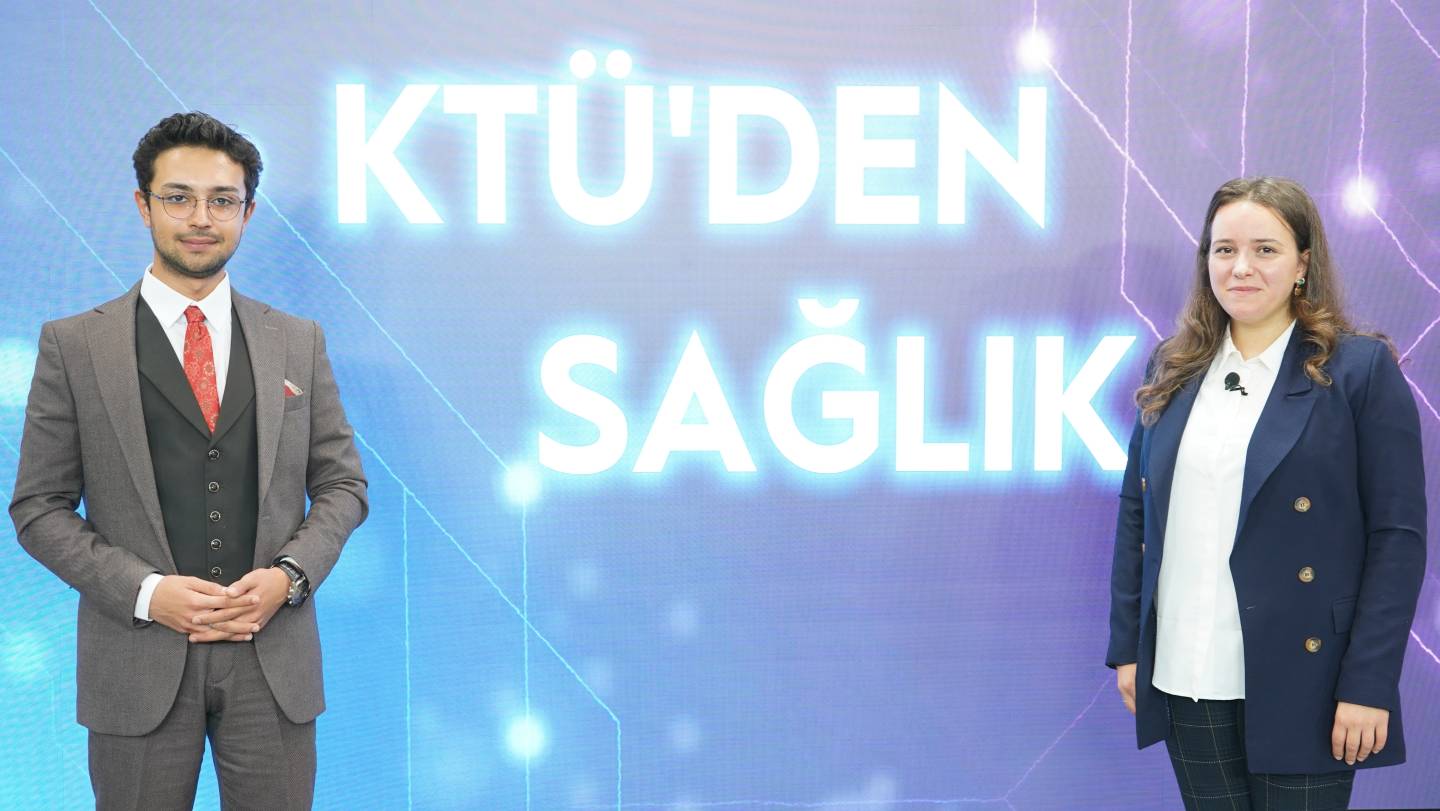
Our University also uses publicly accessible media programmes to extend access to essential health information to wider audiences. In 2025, topics such as the prevention of infectious diseases, clean water, safe food, hygiene, healthy nutrition, and healthy ageing were shared with the public through KTÜ Radio/TV broadcasts. In this way, alongside face-to-face services, broader sections of society were supported in accessing reliable and scientifically based health information
In conclusion, in 2025, our University’s activities to improve access to basic services went beyond indirect information-sharing or support for programmes organised by other institutions. The University’s academic staff, students in health-related disciplines, and relevant units directly provided health screenings, preventive health assessments, nutrition education, oral and dental examinations, and hygiene education to members of the local community, rural populations, children, families, and individuals with special needs.