Our University shares its scientific and technical expertise in the fields of clean energy, renewable energy, energy efficiency, low-carbon technologies, and sustainable energy management with local and regional public authorities. It also carries out joint projects, institutional collaborations, knowledge- and experience-sharing meetings, and multi-stakeholder policy dialogues with public institutions. These activities constitute an institutional mechanism for strengthening the scientific and technical capacity of public authorities in developing energy-transition and sustainable-energy policies.
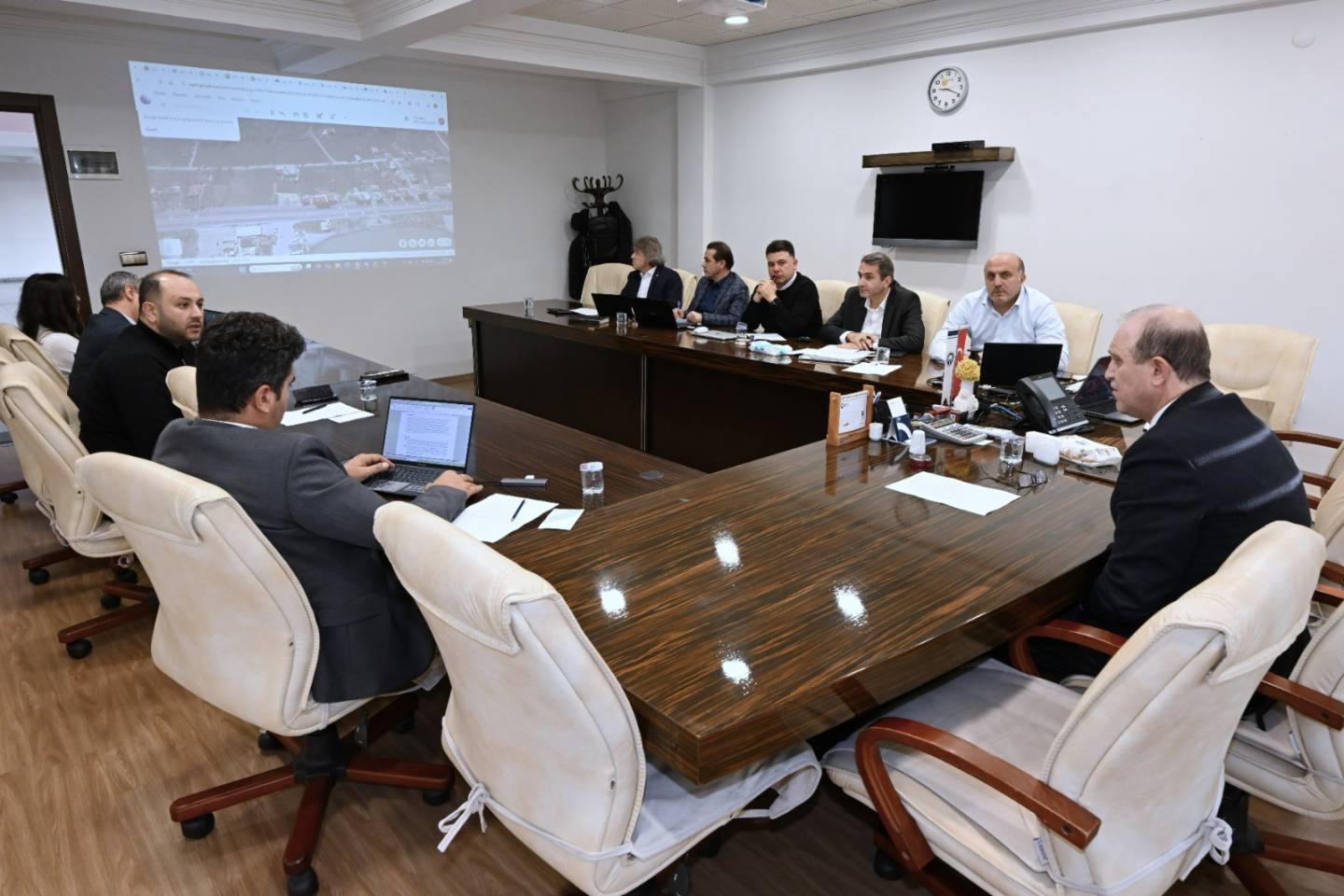
One of the most direct institutional examples in this context is the cooperation between Karadeniz Technical University and Trabzon Metropolitan Municipality in the field of energy. In the University’s records on “Projects Conducted for Trabzon,” the purpose of this cooperation is defined as the development of training activities and projects related to energy, the joint implementation of projects, and the sharing of knowledge and expertise between the parties.
The cooperation is not limited to general energy-related issues. Under the protocol, joint activities, the sharing of academic and technical expertise, and coordination between the parties are envisaged particularly in the following areas:
This structure demonstrates that our University provides direct scientific and technical support to the local government in the development of energy-related policies and practices.
Evidence:
https://www.ktu.edu.tr/yonetim/trabzonicinyurutulenprojeler
Our University’s approach is also institutionally reinforced through its Policy on the Use, Research, Development and Support of Clean Energy Technologies. The main objectives of this policy are to reduce and decarbonise the University’s energy consumption, expand the use of renewable energy systems, support R&D activities related to clean-energy technologies, and facilitate the transfer of developed technologies into practical application and commercialisation.
The policy addresses energy efficiency, renewable energy, scientific research, innovation, technology transfer, and cooperation with national and international stakeholders within the same institutional framework. Therefore, KTÜ’s contribution to public institutions is not limited to individual events; it is based on a structured policy framework covering research, technology development, implementation, and external stakeholder cooperation in the energy transition.
Evidence:
https://surdurulebilirlik.ktu.edu.tr/dosyalar/surdurulebilirlik_skVZB.pdf
Evidence:
https://www.ktu.edu.tr/sustainability/policy-development-for-clean-energy-technology
The University’s relationship with public policy is further strengthened by the integration of national energy and energy-efficiency policy documents into its institutional planning processes. Within KTÜ’s institutional planning system, the Energy Efficiency 2030 Strategy and the Second National Energy Efficiency Action Plan (2024–2030) are monitored among the higher-level policy documents relevant to the University’s activities. In addition, regional and local policy documents such as the TR90 Regional Plan, DOKAP Action Plan, DOKA Regional Plan, and Trabzon Provincial Plan are also taken into account within the University’s institutional planning framework. In this way, the University’s activities in clean energy and energy efficiency are aligned with national, regional, and local policy frameworks.
Evidence:
https://www.ktu.edu.tr/yonetim/planlar
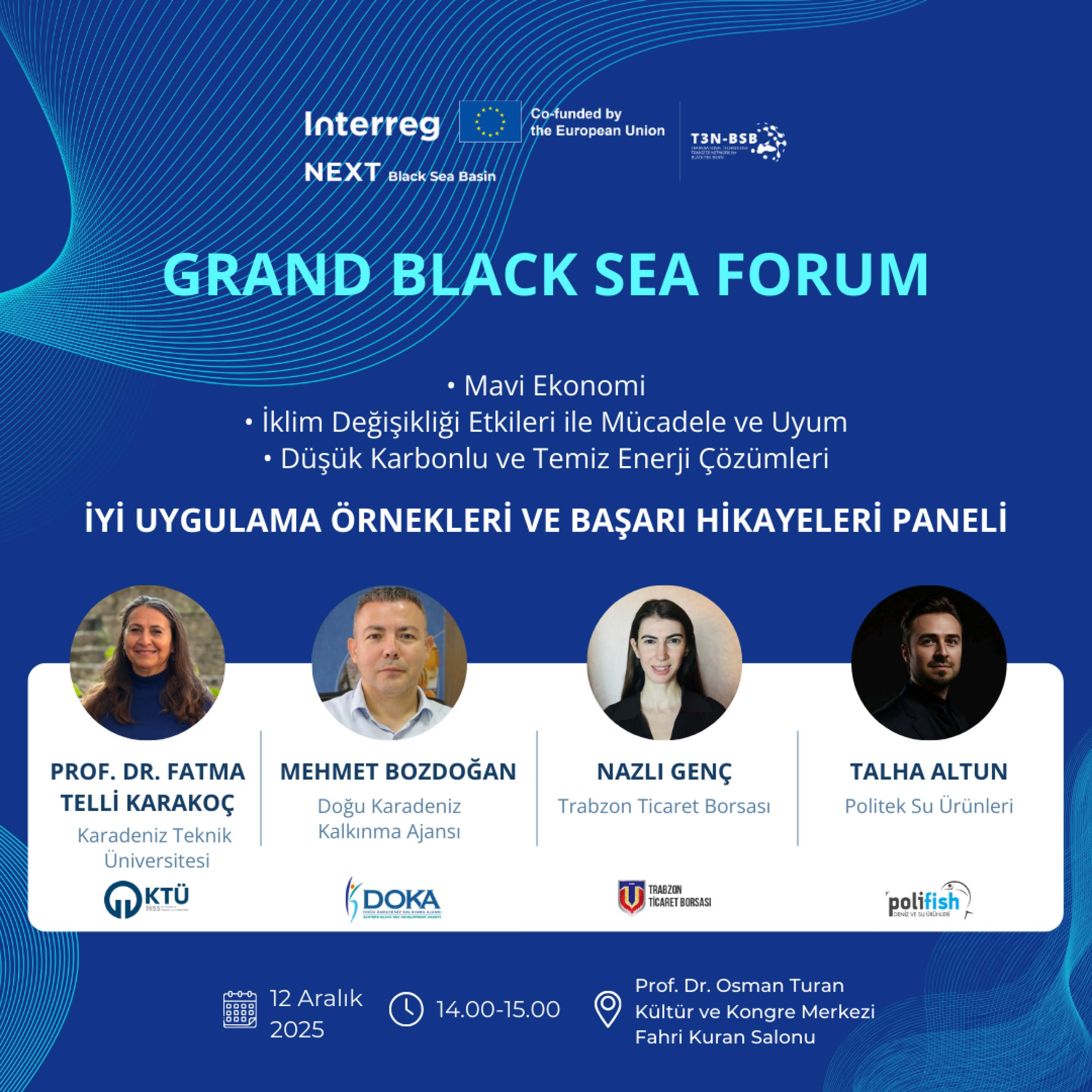
One of the most comprehensive platforms in 2025 through which this institutional approach was extended to external stakeholders and public-sector actors was the Grand Black Sea Forum, held on 10–12 December 2025. The Forum brought together academia, industry, entrepreneurship actors, and public institutions across the Black Sea Basin, with the aim of strengthening regional cooperation and supporting sustainable-development policies.
One of the Forum’s three main thematic areas was explicitly defined as “Low-Carbon and Clean Energy Solutions.” Through information seminars, panels, thematic workshops, one-to-one meetings, and project-development activities, clean-energy technologies, low-carbon solutions, and sustainable-development approaches were discussed in a multi-stakeholder environment that included public institutions. This structure contributed to the transfer of scientific and technical knowledge to public-sector actors and to the development of shared approaches for the regional energy transition.
Evidence:
https://www.ktu.edu.tr/biyoloji/etkinlik/buyuk-karadeniz-forumu
The Forum was organised as part of the “Transnational Technology Transfer Network for the Black Sea Basin” project implemented under the Interreg NEXT Black Sea Basin Programme. Led by KTÜ TTM, the project brought together research, technology, and higher-education organisations from Türkiye, Greece, Bulgaria, and Romania. This international structure enabled the cross-border exchange of policy and implementation experiences in the fields of clean energy and low-carbon technologies.
Evidence:
https://www.ktu.edu.tr/biyoloji/etkinlik/buyuk-karadeniz-forumu
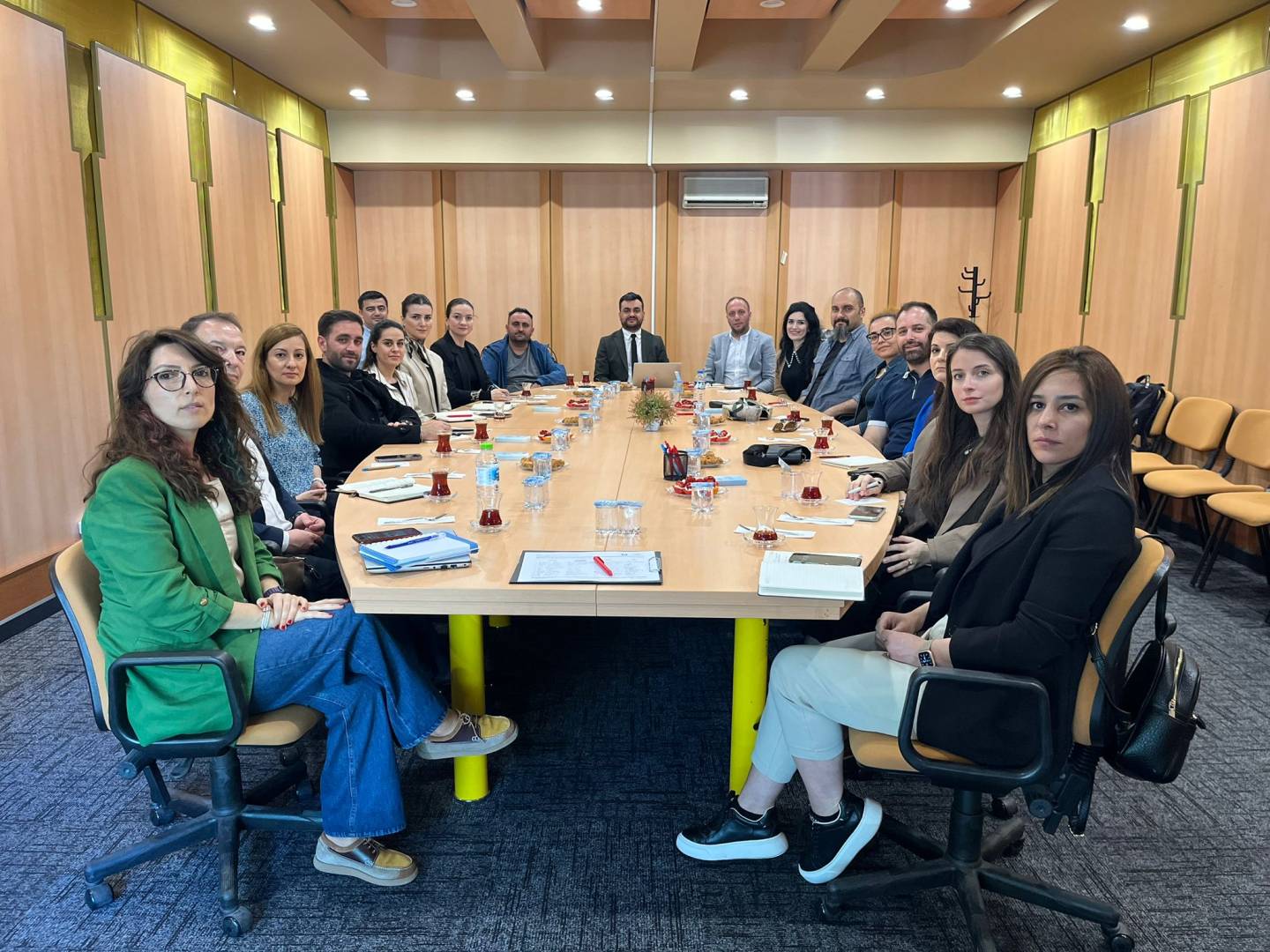
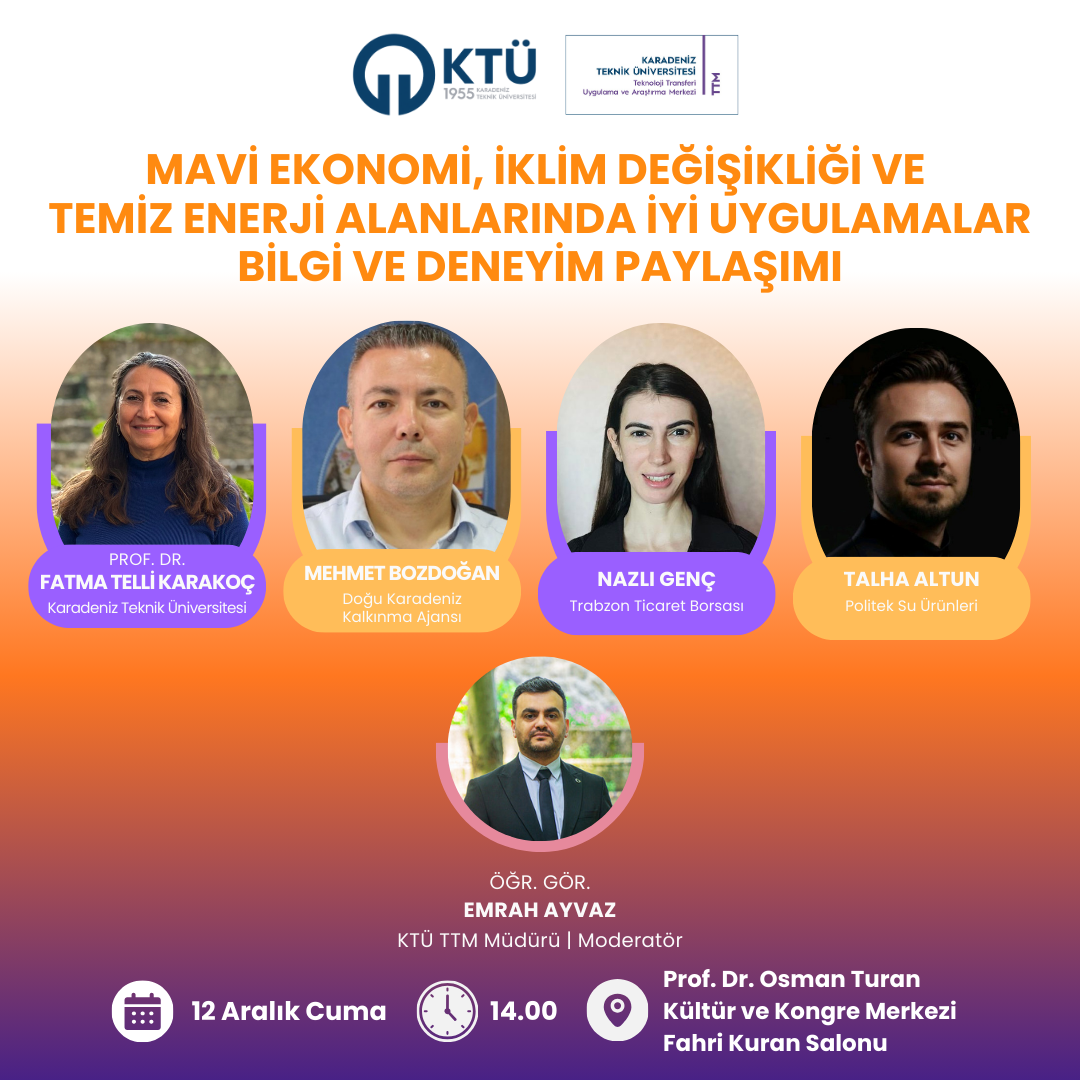
Another important 2025 activity demonstrating direct knowledge and experience sharing with public institutions was the “Best Practices in Blue Economy, Climate Change and Clean Energy: Knowledge and Experience Sharing” event held on 12 December 2025.
The event brought together our University, the Eastern Black Sea Development Agency (DOKA), Trabzon Commodity Exchange, and private-sector representatives. The Head of DOKA’s Blue Economy Unit also participated directly as a speaker. Projects and good practices in the fields of clean energy, climate change, and the blue economy were shared among public institutions, the University, and the private sector. This enabled practical experience, academic knowledge, and a regional-development perspective—each important for public-policy development—to be brought together on a common platform.
The University’s support for energy-related policy development is not limited to meetings and knowledge-sharing activities. KTÜ’s clean-energy research capacity generates scientific knowledge in areas including energy generation, renewable-energy systems, energy efficiency, power electronics, smart grids, energy storage, energy management, and low-carbon technologies. This academic capacity provides the scientific and technical foundation for transferring expertise to public institutions in energy-related projects, as demonstrated by the institutional cooperation with Trabzon Metropolitan Municipality.
Within the University’s SDG 7 approach, scientific research and multi-stakeholder collaboration are also identified as key implementation mechanisms for strengthening energy infrastructure, expanding renewable-energy sources, and improving energy efficiency.
Evidence:
https://www.ktu.edu.tr/surdurulebilirlik/ska-7-erisilebilir-ve-temiz-enerji
An important feature of our University’s approach to supporting public institutions is the connection it establishes between policy and implementation. Joint work with local authorities on electricity generation and distribution, renewable energy, electric vehicles, and charging infrastructure; the sharing of clean-energy experience with regional development agencies; discussion of low-carbon energy solutions through platforms such as the Grand Black Sea Forum involving public institutions; and the alignment of the University’s own clean-energy policy with national energy-efficiency policies collectively demonstrate that KTÜ does more than provide general awareness support to public institutions. It makes academic, technical, and institutional contributions to the development of clean-energy policies and their implementation.
In conclusion, our University actively collaborates with public institutions and local authorities in policy-development processes relating to clean energy and energy-efficient technologies. In particular, the institutional cooperation with Trabzon Metropolitan Municipality, directly covering electricity generation and distribution, energy efficiency, renewable energy, electric vehicles, charging stations, and sustainable energy management, constitutes the strongest evidence for this indicator.