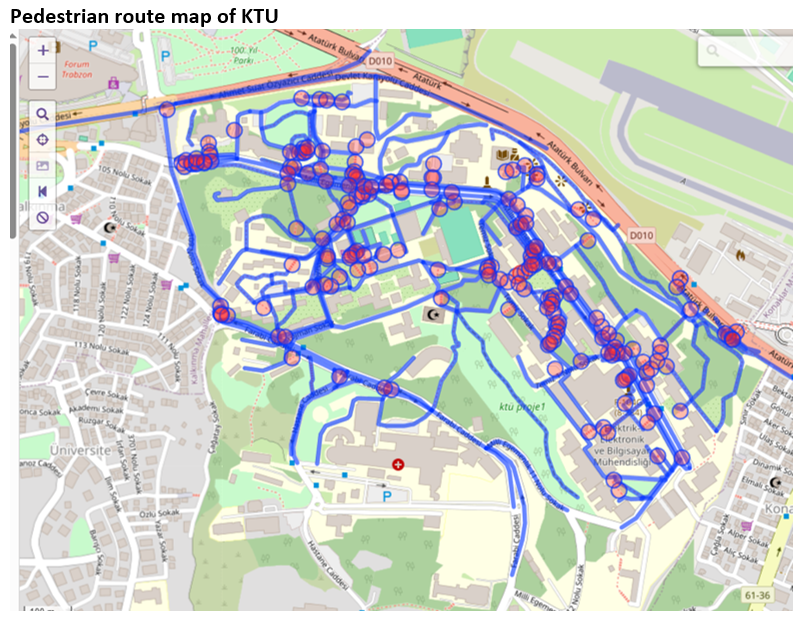
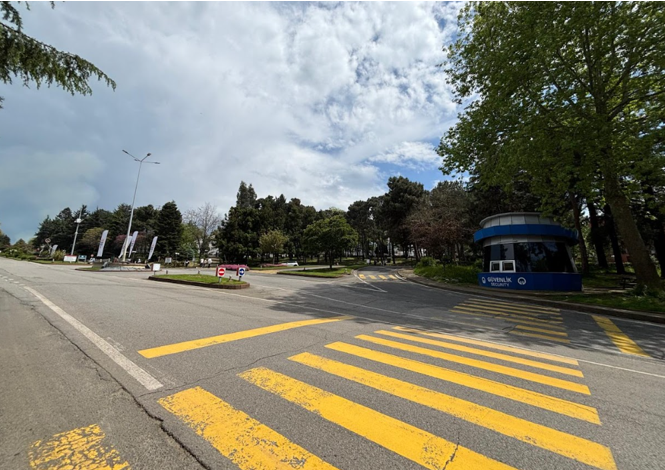
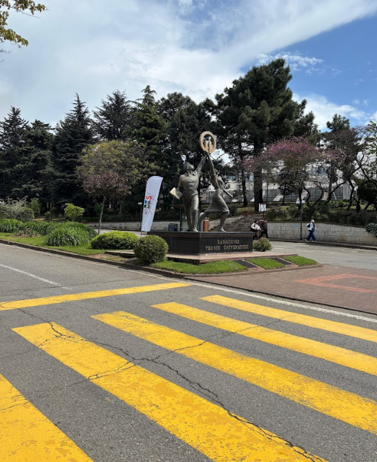
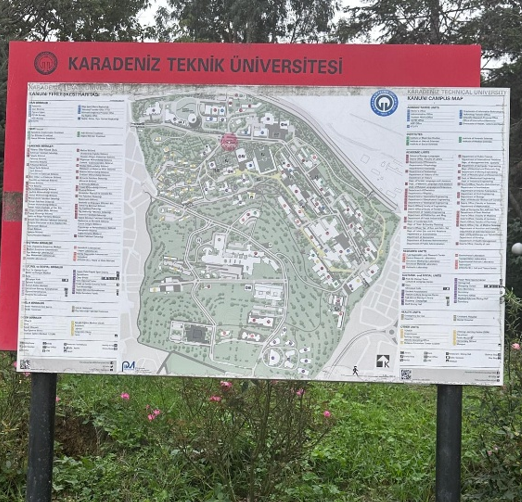
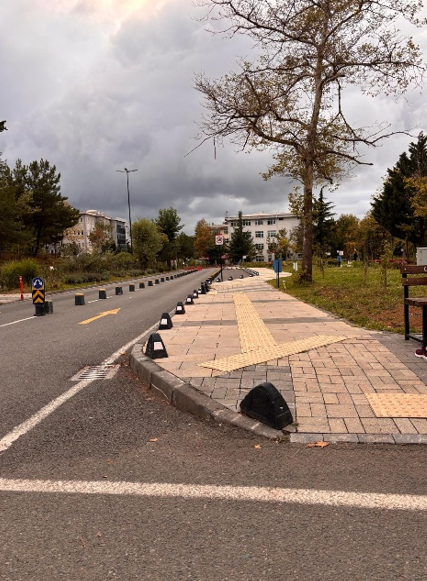
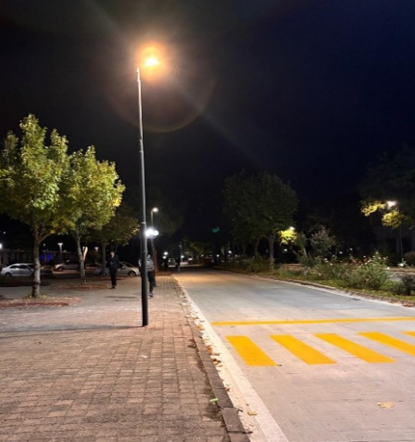
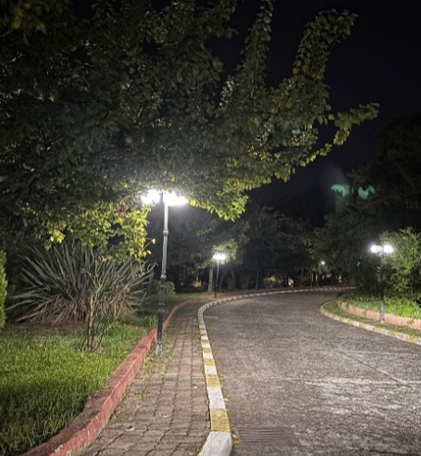
Karadeniz Technical University (KTU) implements a comprehensive pedestrian path policy to ensure a safe, accessible, and sustainable campus environment. Pedestrian routes within the campus are designed to minimize interactions between vehicles and pedestrians, creating a safer and more livable space for students, staff, and visitors. Pedestrian pathways are established for continuous connections between academic buildings, administrative units, dormitories, and social facilities. To ensure safety and usability, these paths are supported with proper lighting and directional signage.
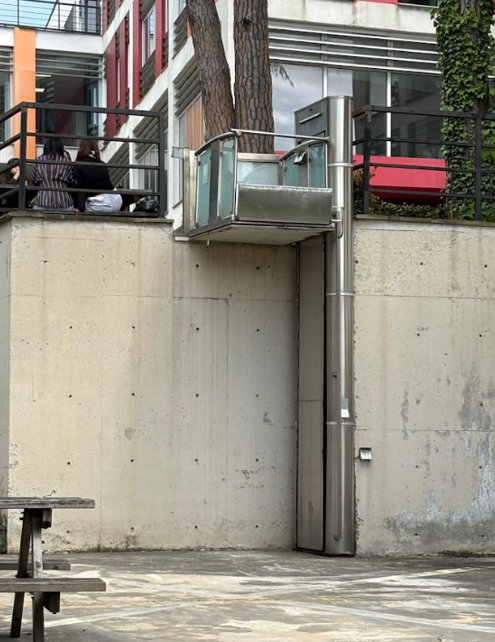
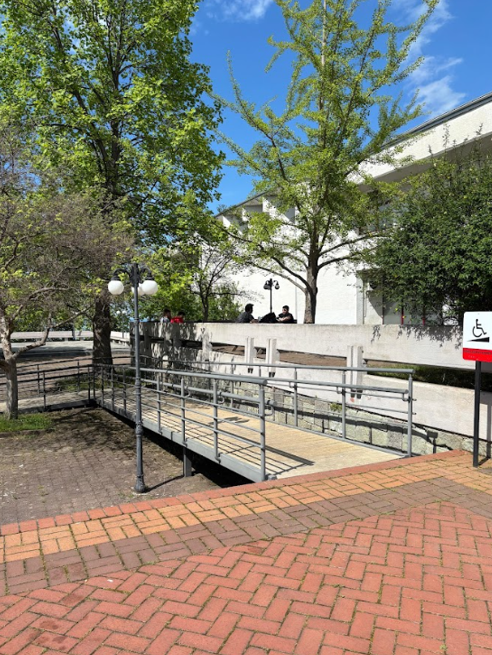
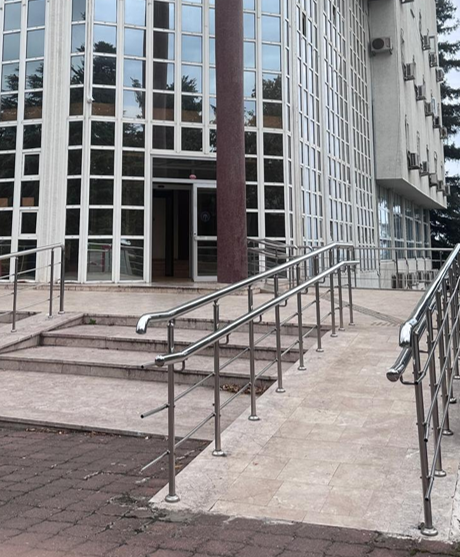
Accessibility is also an essential dimension of KTU’s pedestrian policy. Sidewalks, ramps, and crossing points designed for individuals with disabilities provide inclusive and equal access for all members of the university community. Through this pedestrian-oriented policy, KTU not only reduces vehicle dependency on campus but also contributes to the promotion of sustainable mobility, the reduction of emissions, and the improvement of the quality of life for its community members.
Based on the latest mapping data, the total length of designated pedestrian and walking routes within the campus includes:
In the coming years, the university aims to expand its pedestrian network and integrate it with smart mobility and bicycle routes, further reducing vehicle dependency and improving overall campus walkability.
Karadeniz Technical University’s campus-wide pedestrian path policy aligns with the United Nations Sustainable Development Goals. The planning of pedestrian routes and the reduction of vehicle–pedestrian interaction contribute to SDG 11 – Sustainable Cities and Communities by creating a safe, accessible, and livable campus environment. The reduction of vehicle dependency and subsequent decrease in emission levels correspond with SDG 13 – Climate Action. These measures also enhance human mobility while reducing air and noise pollution, thereby improving community health and supporting SDG 3 – Good Health and Well-Being. Moreover, the provision of sidewalks, ramps, and crossings designed for individuals with disabilities ensures inclusivity, contributing to SDG 10 – Reduced Inequalities. Through its pedestrian-oriented policies, KTÜ strengthens both sustainable mobility and social equity.
|
Highway |
Length (m) |
|
footway |
7742.44 |
|
residential |
5127.53 |
|
tertiary |
4680.22 |
|
service |
3275.81 |
|
path |
1704.82 |
|
pedestrian |
1634.24 |
|
trunk_link |
1240.14 |
|
steps |
1136.34 |
|
primary |
516.59 |
|
track |
482.05 |
|
unclassified |
171.36 |
|
tertiary_link |
27711.54 |