Karadeniz Technical University conducts regular field and laboratory studies to monitor the health of marine, coastal, delta, and other aquatic ecosystems, particularly through the Sürmene Faculty of Marine Sciences, the Department of Fisheries Technology Engineering, and the Department of Marine Science and Technology Engineering. Our University's monitoring activities cover a wide range of environmental indicators, including water quality, biodiversity, fish populations, invasive alien species, microplastics, marine litter and ghost nets, as well as the impacts of aquaculture activities on aquatic ecosystems.
Our University's official Sustainability platform also states that the Faculty of Marine Sciences carries out field and laboratory studies on the assessment of biodiversity in marine and freshwater habitats, monitoring of fish populations, and measurement of water quality. These studies contribute to the protection of ecosystem health, the development of sustainable fisheries practices, and the generation of long-term scientific data.
Evidence:
https://www.ktu.edu.tr/surdurulebilirlik/sucul-ekosistemlerin-sagliginin-izlenmesi
Monitoring Black Sea Coastal Ecosystems through the 2EKO Project
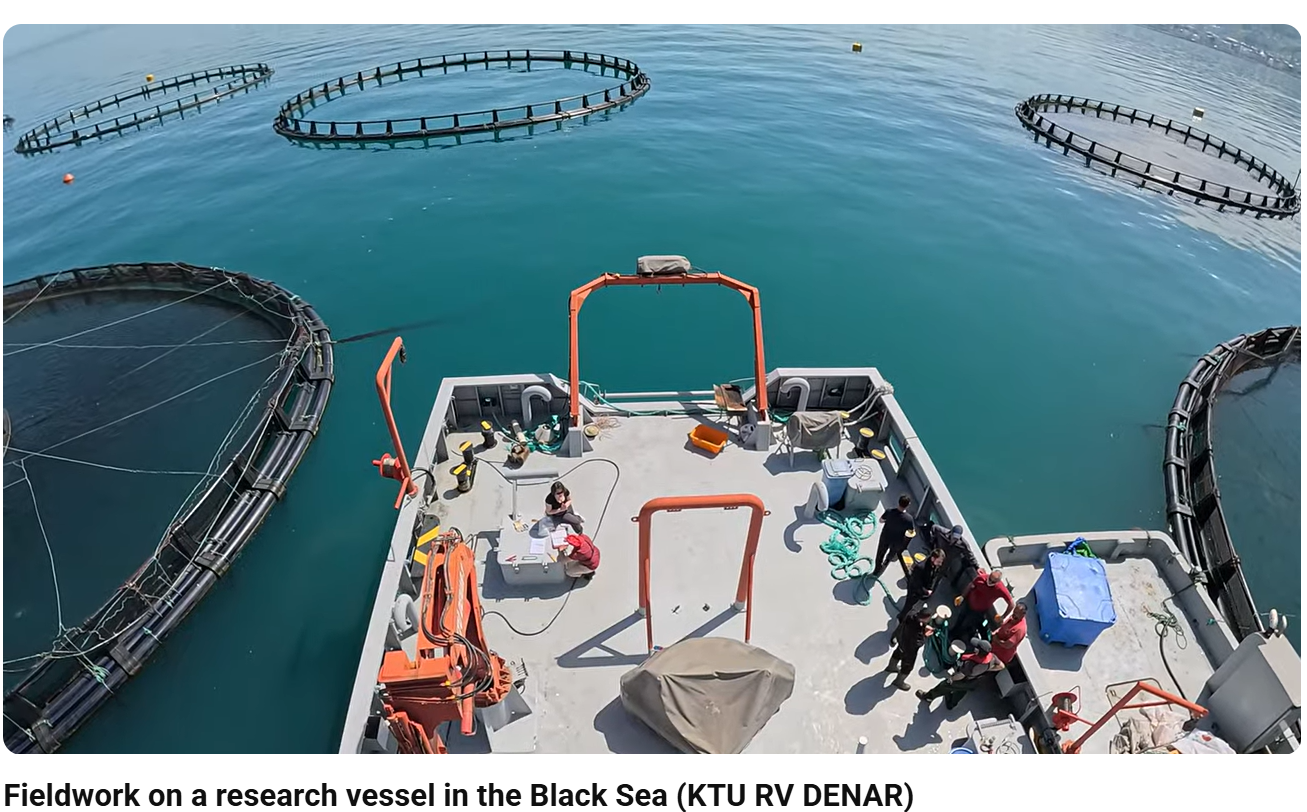
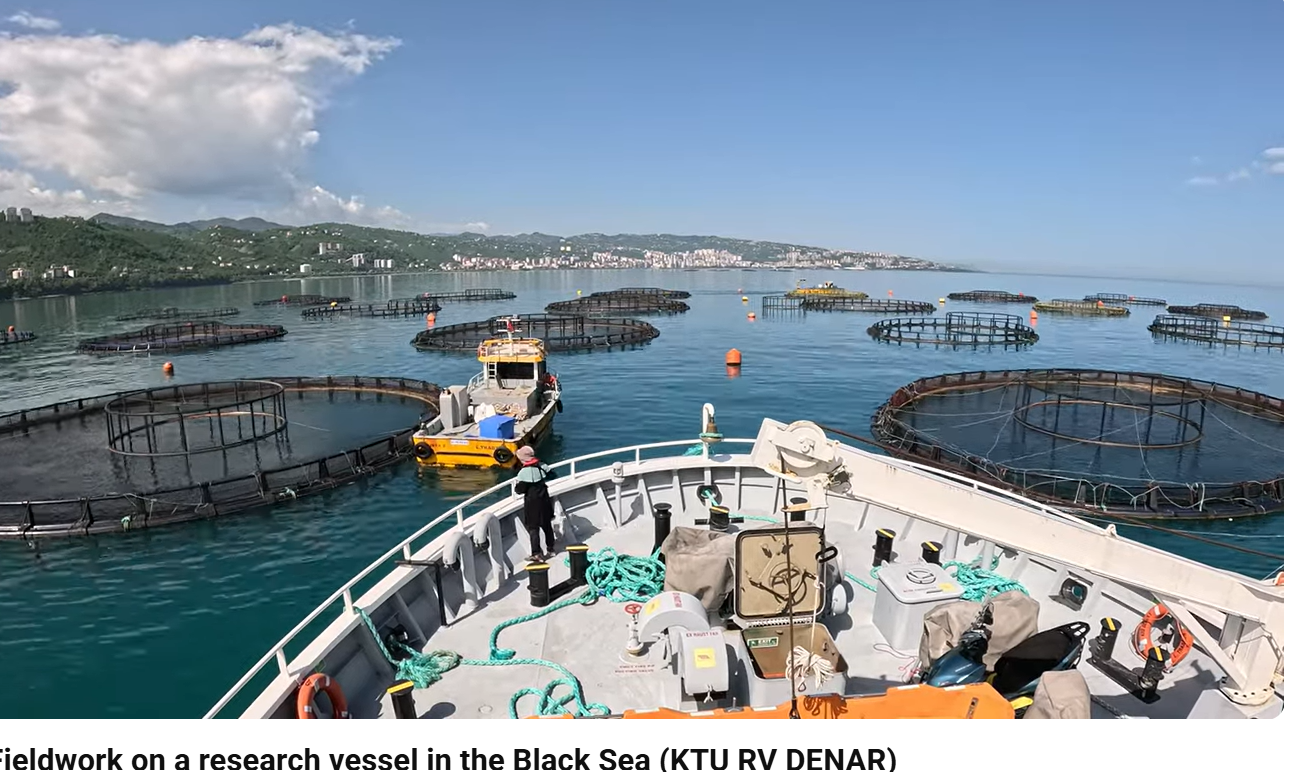
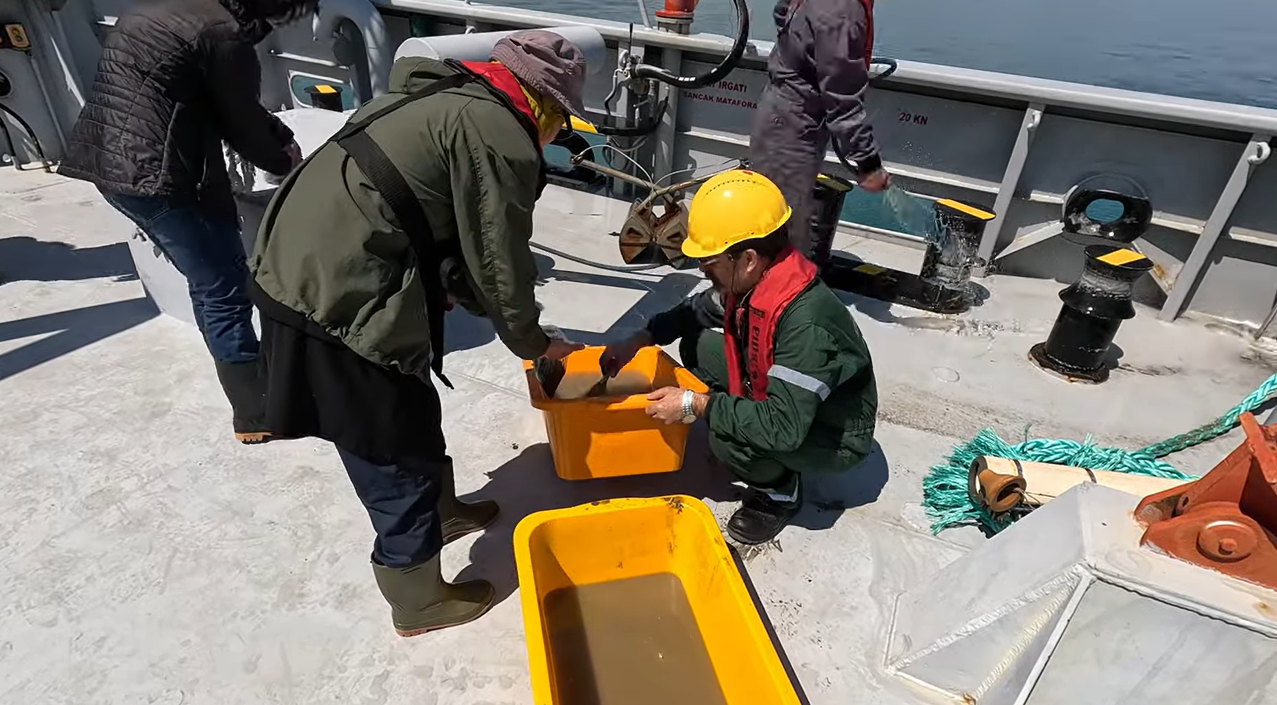
One of our University's direct ecosystem monitoring activities in 2025 is the project entitled “Ecological and Blue Economy Assessment of Black Sea Trout Cage Aquaculture (2EKO)”. Supported by the KTU Scientific Research Projects Coordination Unit, the project scientifically evaluates the impacts of trout aquaculture activities carried out along the Trabzon coast on coastal and marine ecosystems.
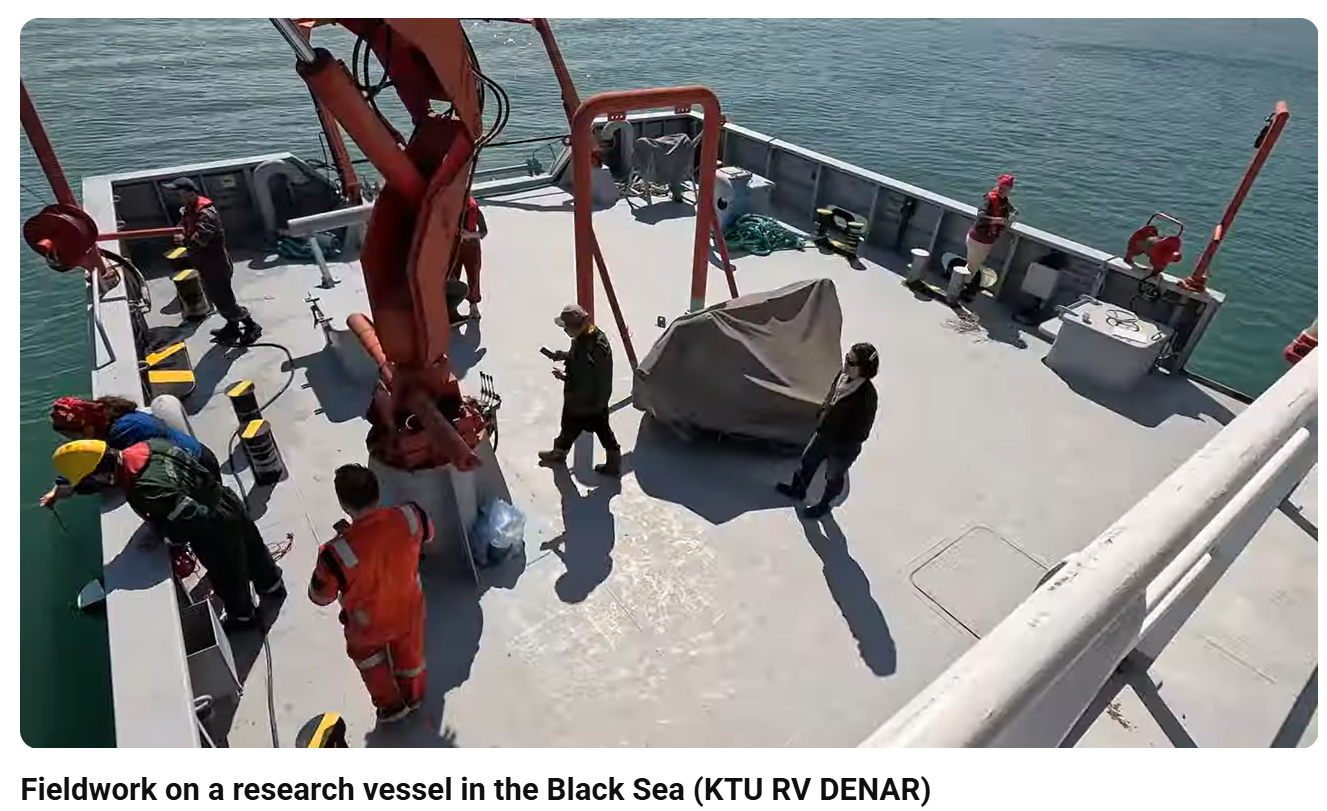
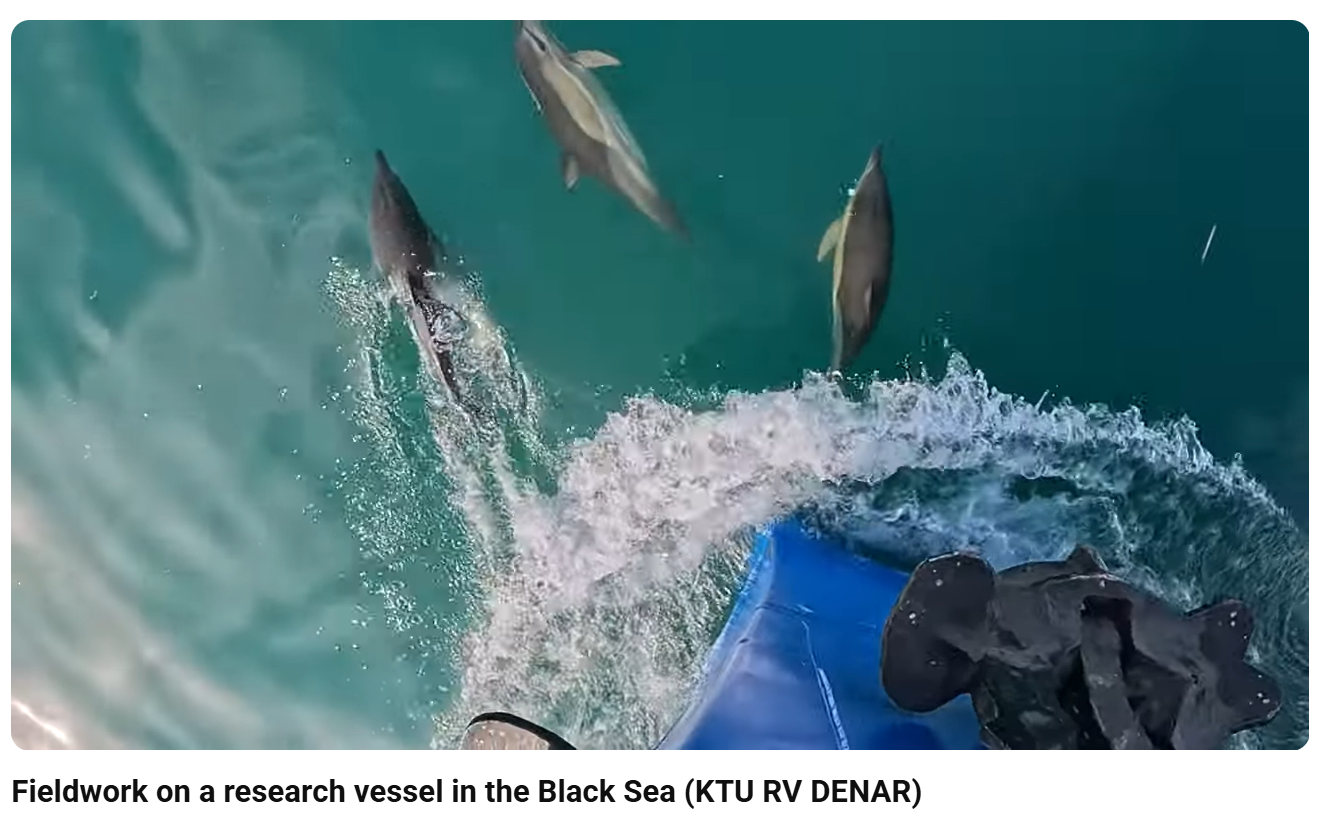
Seasonal sampling is carried out within the scope of the project, and direct samples were collected from the marine environment during the 2025 field studies. KTU's R/V DENAR research vessel is used for sampling and data collection activities. Thus, potential changes in the ecosystem are monitored through repeated field studies conducted at different periods rather than through one-time observations.
Evidence:
https://www.ktu.edu.tr/baltekmuh/haber/2eko-projesinin-ilk-saha-calismasi-tamamlandi
Relevant Unit:
https://www.ktu.edu.tr/deniz
Monitoring Invasive Alien Species through the IASON+ Project
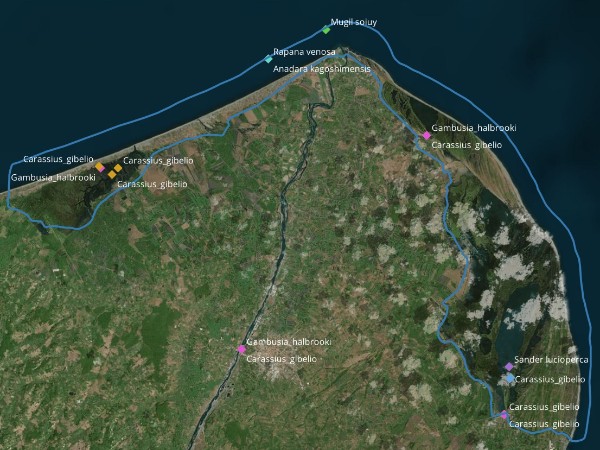
Another important initiative aimed at monitoring aquatic ecosystem health is the IASON+ Project. The project investigates the presence, distribution, and impacts of invasive alien species on ecosystem services in delta and wetland ecosystems across the Black Sea basin.
One of the principal objectives of IASON+ is the direct monitoring of invasive alien species and the development of early warning systems. Therefore, the project not only identifies currently existing species but also systematically tracks changes in their distribution and abundance over time.
In 2025, field studies carried out in the Kızılırmak Delta evaluated the distribution trends and ecological impacts of invasive species. Repeated sampling at different periods enables changes in biodiversity to be monitored, while the resulting data are used in spatial mapping and ecosystem modelling studies.
Evidence:
https://www.ktu.edu.tr/denizbiltek/iason
2025 Field and Project Developments:
https://www.ktu.edu.tr/denizbiltek/haber/proje-gelisme-raporu-kizilirmak-deltasinda-istilaci-turler-takibi
Related News:
https://www.ktu.edu.tr/denizbiltek/haber/iason-projesi-trt-trabzon-radyosu-nda-yer-aldi
Monitoring the Seafloor and Ghost Nets through the BlackNETs Project
KTU also monitors the impacts of abandoned, lost, or otherwise discarded fishing gear on aquatic ecosystems in the Black Sea through the BlackNETs Project. Within the project, the quantity and distribution of ghost nets are identified, affected areas are detected, and these locations are mapped.
During studies carried out in 2025 using KTU's R/V Yakamoz research vessel, remotely operated underwater vehicles were used to examine the seafloor, identify areas containing ghost nets, and support the removal of such nets from the marine environment in selected locations.
These activities enable not only the identification of physical pressures on aquatic ecosystems but also their spatial monitoring and the direct implementation of conservation measures.
Evidence – BlackNETs Project:
https://www.ktu.edu.tr/denizbiltek/blacknets
Evidence – Ghost Net Activities Conducted with R/V Yakamoz:
https://www.ktu.edu.tr/deniz/haber/fakultemiz-arastirma-teknesi-ktu-r-v-yakamoz-ile-karadenizde-hayalet-ag-temizligi-gerceklestirildi-0
Evidence – BlackNETs 2025 Results:
https://www.ktu.edu.tr/denizbiltek/haber/blacknets-projesi-aralik-2025-basin-bulteni
Assessment of Water Quality, Fish Populations, and Biodiversity
KTU's approach to monitoring aquatic ecosystems is not limited to individual projects. According to our University's official Sustainability platform, ongoing activities include:
These studies allow the biological, physical, and chemical components of aquatic ecosystems to be evaluated together and contribute to the early identification of potential ecosystem degradation.
Evidence:
https://www.ktu.edu.tr/surdurulebilirlik/sucul-ekosistemlerin-sagliginin-izlenmesi
Research Vessels and Field Monitoring Infrastructure
The research vessels and boats operated by KTU's Sürmene Faculty of Marine Sciences enable our University to collect direct samples from marine environments, examine the seafloor, and obtain regular field data from different locations.
In particular, R/V DENAR has been actively used in field sampling activities conducted under the 2EKO Project, while R/V Yakamoz has been used for seafloor investigations and ghost net monitoring within the scope of BlackNETs. This research infrastructure supports our University's capacity to conduct direct monitoring activities in the Black Sea and associated aquatic habitats.
Evidence:
https://www.ktu.edu.tr/deniz
https://www.ktu.edu.tr/baltekmuh/haber/2eko-projesinin-ilk-saha-calismasi-tamamlandi
Karadeniz Technical University directly and systematically monitors the health of aquatic ecosystems in 2025. Our University's activities include measurable monitoring practices such as seasonal field sampling, water quality assessment, monitoring of biodiversity and fish populations, long-term tracking of invasive alien species, seafloor imaging and mapping, identification of ghost nets, and assessment of the ecological impacts of aquaculture activities.