In 2025, Karadeniz Technical University strengthened its integrated water conservation program through rainwater harvesting, underground storage, ecological retention, groundwater recharge, efficient landscaping, and automated monitoring practices across its campuses.
Rainwater Harvesting and Reuse
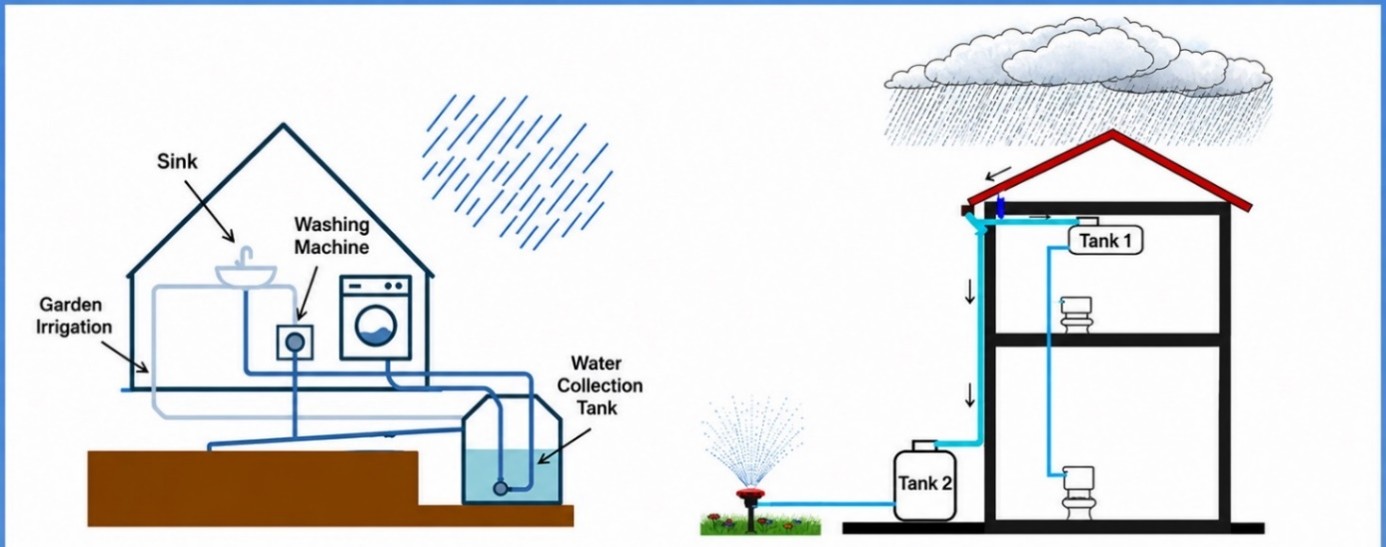
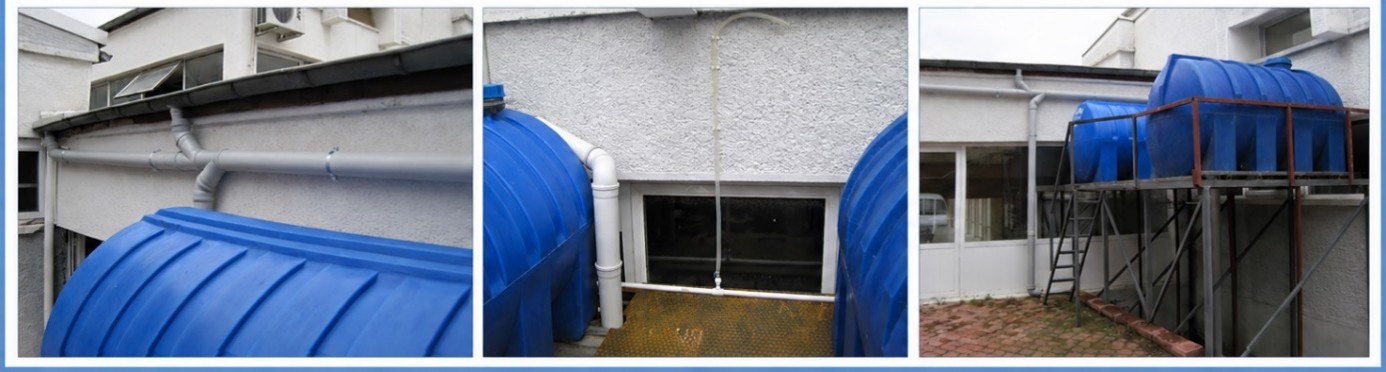
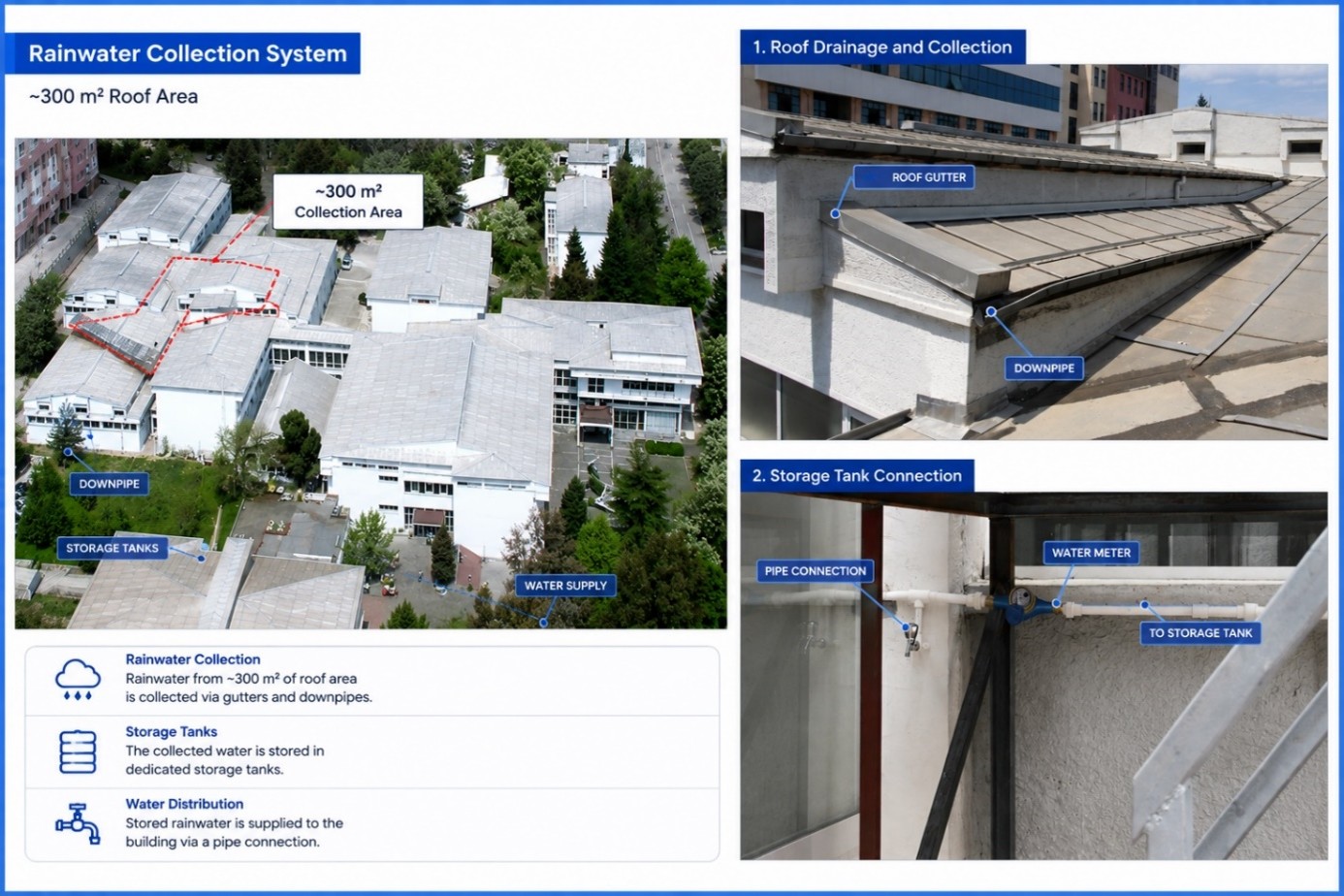
Rainwater collected from building roofs and impermeable campus surfaces is directed through drainage networks to underground reservoirs, ecological lakes, and recharge pits. The collected water is reused for non-potable purposes such as landscape irrigation, outdoor cleaning, and campus maintenance, reducing dependence on municipal water supplies.
Integrated Storage and Recharge Infrastructure
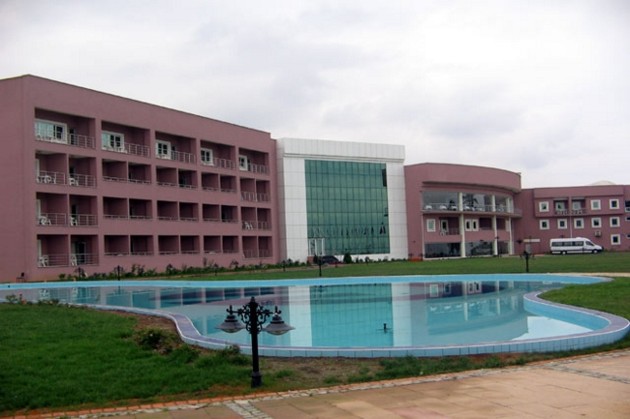
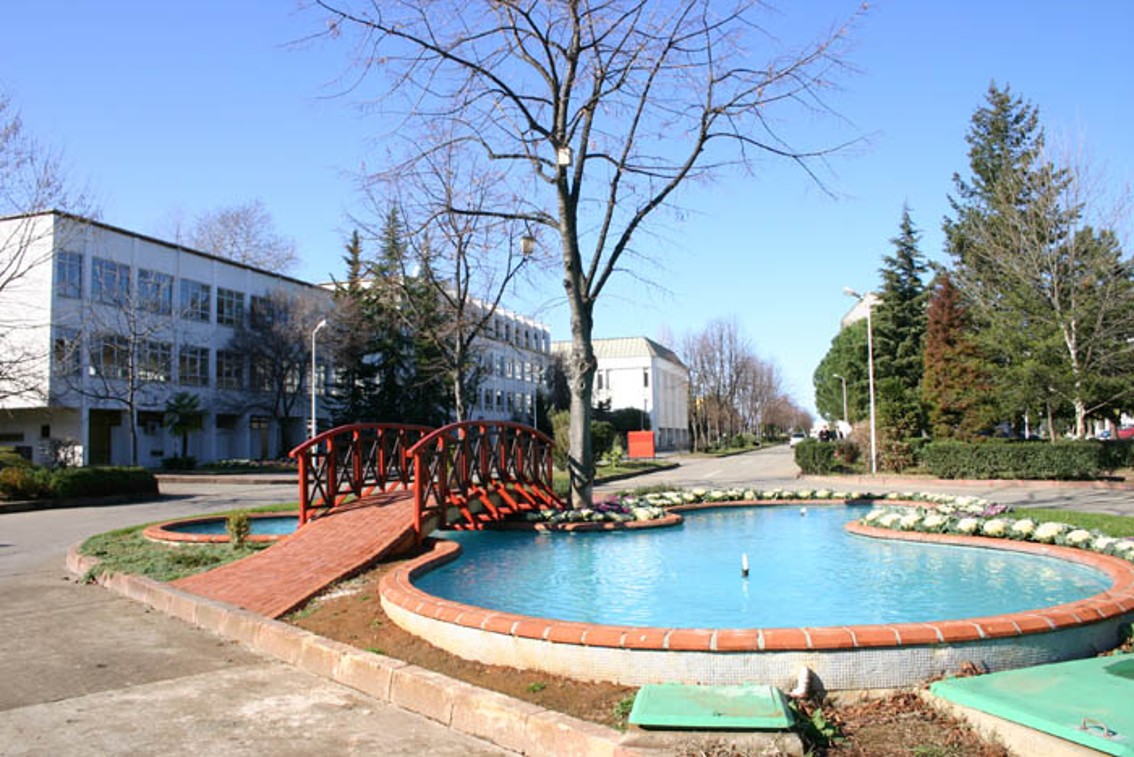
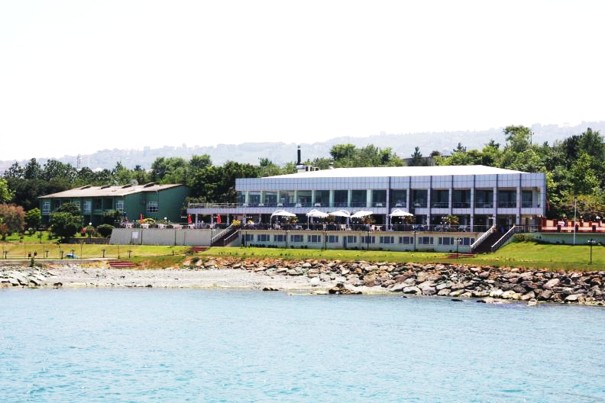
The Kanuni, Of Faculty of Technology, and Sürmene Faculty of Marine Sciences campuses operate integrated rainwater management systems. Together, these systems provide a hydraulic management capacity of 24,185 liters per hour and a combined storage and infiltration volume of approximately 1.385 million liters.
Water Infrastructure Improvement
Existing water tanks, pipelines, and drainage systems have been expanded, cleaned, repaired, and optimized. These improvements increase storage capacity, reduce leakage and contamination risks, improve water quality, and ensure more reliable water distribution.
Ecological Lakes and Natural Retention Areas
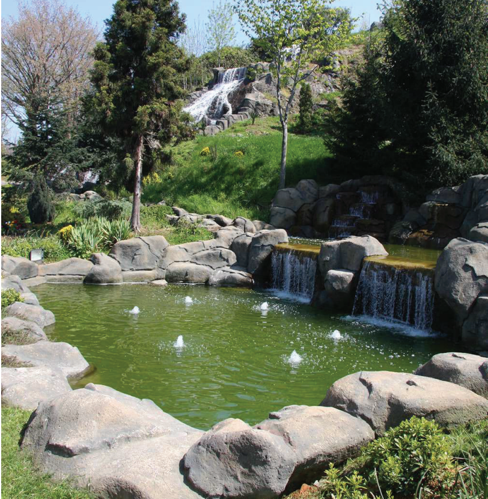
Campus lakes and natural pools function as ecological retention systems by temporarily storing stormwater, reducing peak runoff, supporting groundwater recharge, and providing supplementary water for irrigation during dry periods. These systems also contribute to biodiversity, natural filtration, and local microclimate regulation.
Water-Efficient Landscaping
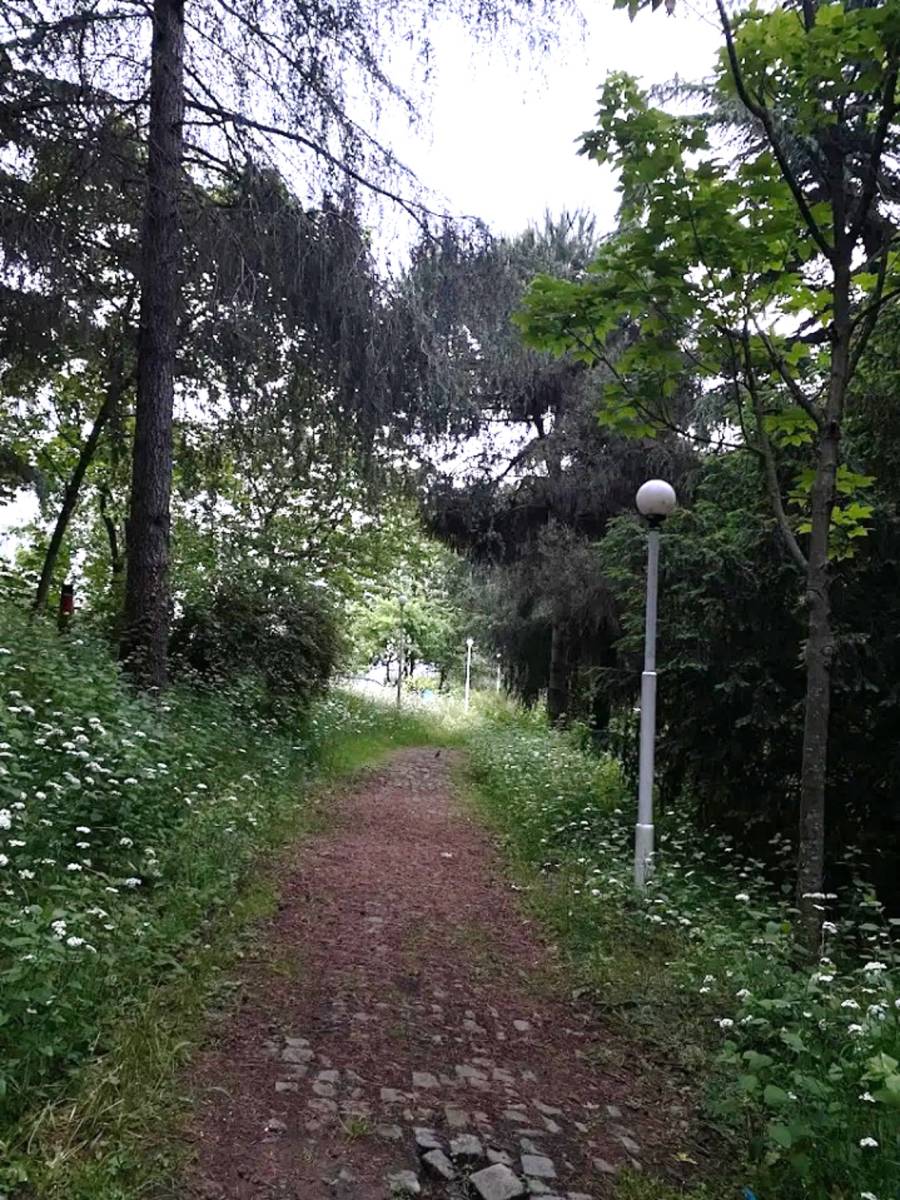
KTU uses drought-tolerant and low-water-requirement plant species in landscaped areas, green corridors, and roadside reservations. Gravel and other permeable materials are also used around planting zones to reduce evaporation, improve infiltration, retain soil moisture, and decrease irrigation demand.
Monitoring and Sustainable Management
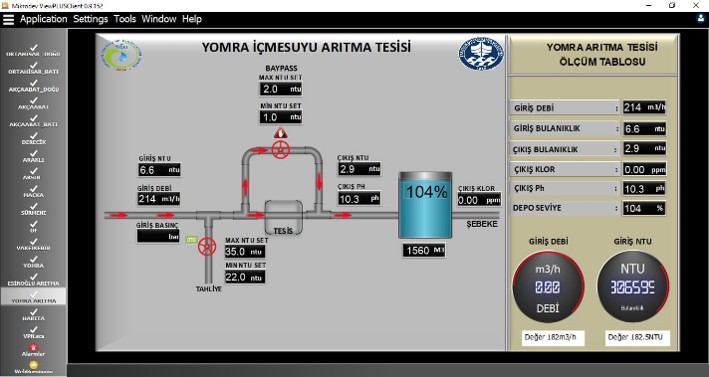
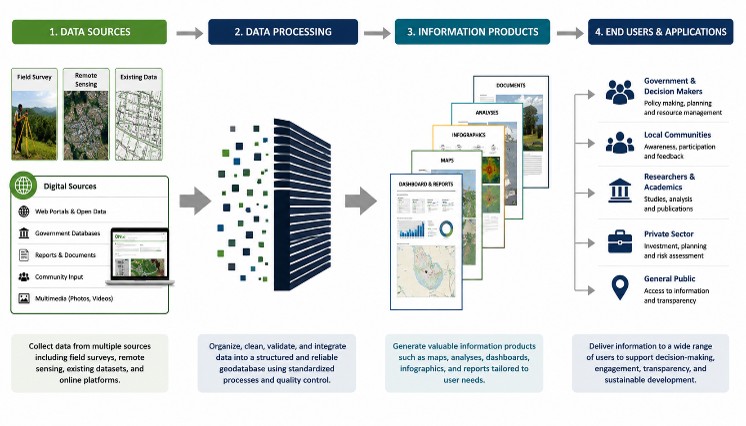
Water conservation infrastructure and landscape applications are supported by monitoring systems, plant databases, and automated management practices. These tools improve operational control, support preventive maintenance, and enable more efficient use of harvested and stored water.
Through the integration of rainwater collection, storage, reuse, infiltration, ecological retention, infrastructure improvement, and water-efficient landscaping, KTÜ reduces potable water demand, mitigates stormwater and flood risks, and strengthens long-term campus resilience to changing climatic conditions.