Our University maintained active and institutional collaborations with health institutions and organisations at local, regional, national, and international levels throughout 2025 in order to protect and improve public health, enhance the quality of healthcare services, strengthen the professional capacity of healthcare professionals, expand applied and clinical training opportunities for students, and support scientific research in the field of health. These collaborations were not limited to general framework protocols; they were translated into concrete activities directly related to health and wellbeing outcomes, including public health research, identification of risk factors for chronic diseases, development of preventive health approaches, healthcare service delivery, clinical and professional training, continuing professional development of healthcare workers, support for maternal and newborn health, and enhancement of emergency healthcare response capacity. The institutional nature of our University’s collaborations with health institutions in 2025 is clearly documented in the University’s official “National Protocols” inventory, which includes various collaborations with the Trabzon Provincial Directorate of Health, Farabi Hospital of our University, and other public healthcare institutions that were valid during 2025.
Evidence: https://www.ktu.edu.tr/yonetim/ulusalprotokoller
Within this framework, one of our University’s most important institutional partners in the field of health is the Trabzon Provincial Directorate of Health. A formal cooperation protocol entitled “Cooperation Protocol for the Project on Determining the Relationship between Risk Factors for Certain Chronic Diseases and Perceptions of Global Climate Crisis Risks among Individuals Aged 18 and Over Living in Trabzon Province” was established between the Faculty of Medicine of our University and the Trabzon Provincial Directorate of Health. The protocol entered into force on 10 September 2024 and remains valid until 31 May 2026; therefore, this institutional health collaboration was active throughout 2025. The University’s official protocol records clearly identify the Faculty of Medicine of our University and the Trabzon Provincial Directorate of Health as the parties to the agreement. The continuation of the research during 2025 is also confirmed by the project records of the Department of Public Health. According to these records, the project assesses the prevalence and risk factors of important chronic diseases such as obesity, hypertension, diabetes mellitus, and dyslipidaemia among individuals aged 18 and over living in Trabzon, together with other health indicators, and is listed as an ongoing project in 2025. In the University’s sustainability reporting, the purpose of this collaboration is explicitly defined as identifying health-related risks affecting residents of Trabzon more comprehensively, protecting individuals and the wider community from identified risks, and undertaking activities aimed at improving the health status of the population. Therefore, the project goes beyond academic research and represents an institutional partnership with the local health authority aimed at identifying community health risks, developing preventive health approaches, and improving public health outcomes.
Evidence: https://www.ktu.edu.tr/med/protokoller; https://www.ktu.edu.tr/halksagligi/proje-odul-basari
The cooperation between our University and the Trabzon Provincial Directorate of Health is not limited to health research. On 12 November 2024, the Faculty of Health Sciences of our University and the Trabzon Provincial Directorate of Health signed the “Protocol on Conducting Vocational Education/Applied Courses in Existing Health Institutions and Organisations in Trabzon Province”, which remained in force during 2025. The University’s central protocol inventory clearly identifies the Faculty of Health Sciences of our University and the Trabzon Provincial Directorate of Health as the parties to the agreement. The purpose of the protocol is to enable students of the Department of Nursing within the Faculty of Health Sciences to undertake their vocational training and applied courses in healthcare institutions and organisations located throughout Trabzon Province. This collaboration directly integrates the health sciences education provided by our University with the public healthcare system, enabling students to gain professional and clinical experience in real healthcare settings, observe the organisation and functioning of healthcare services, and develop their professional competencies as future healthcare professionals. Consequently, a sustainable institutional partnership exists between our University and the local health authority in the fields of education and clinical practice.
Evidence: https://www.ktu.edu.tr/yonetim/ulusalprotokoller
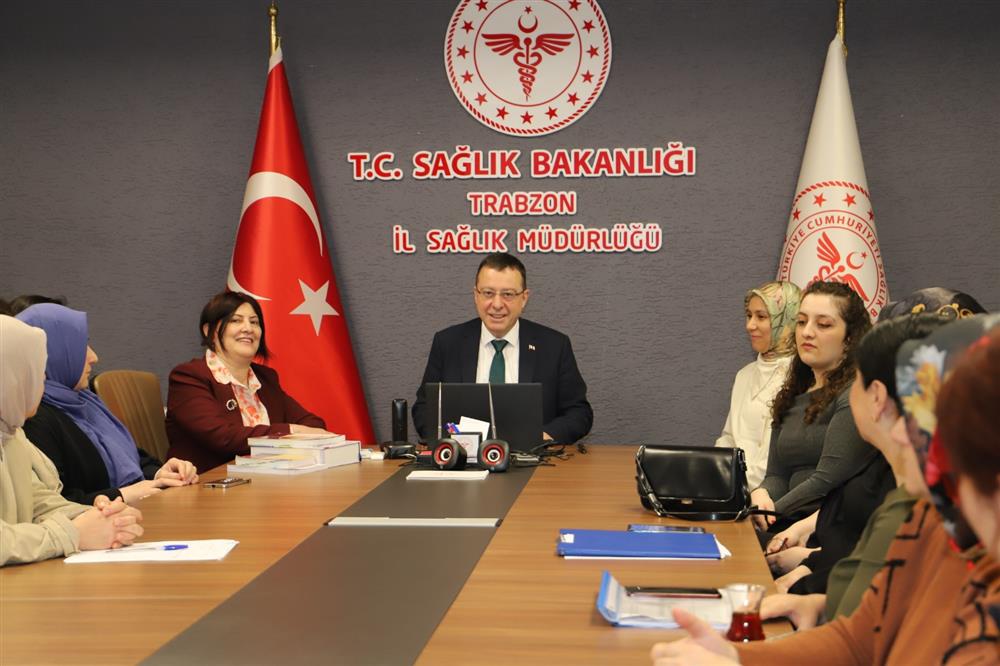
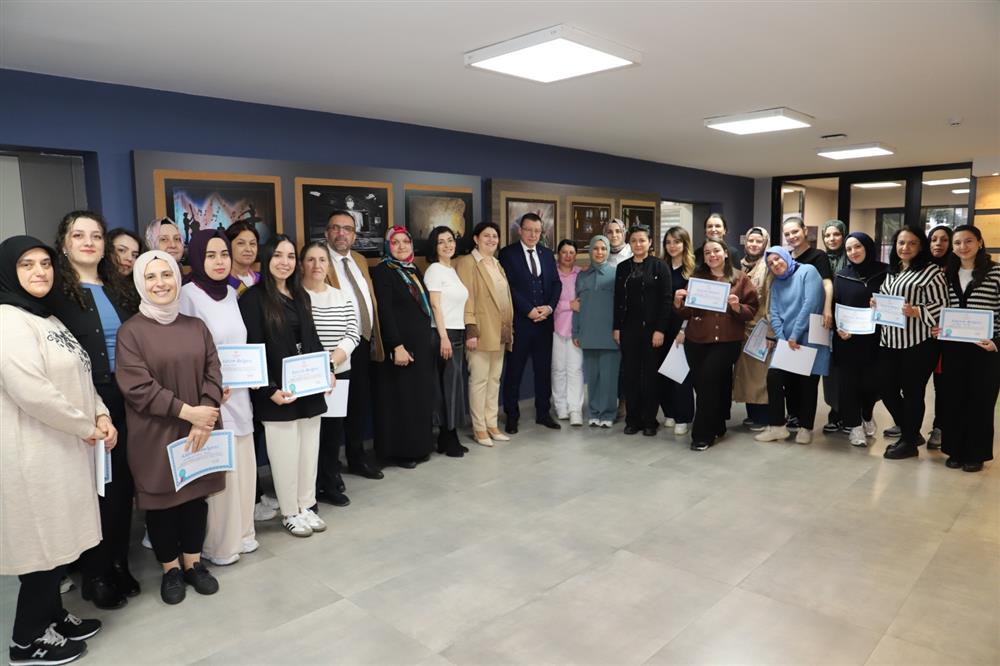
A strong example demonstrating that this institutional partnership was translated into concrete health-related activities in 2025, rather than remaining solely at the protocol level, is the “Training Programme for Strengthening Midwifery Education.” The programme was implemented through cooperation between the Department of Midwifery within the Faculty of Health Sciences of our University, the Trabzon Provincial Directorate of Health, and healthcare institutions in the region. The first group received training between 7–11 April 2025, the second group between 14–18 April 2025, and a third group was scheduled for 26–30 May 2025. The programme consisted of three days of theoretical training and two days of practical training. The theoretical component was delivered at the Training Hall of the Trabzon Provincial Directorate of Health, while practical training took place at the Pregnancy School of the Numune Campus of Kanuni Training and Research Hospital. Participants also visited the Midwifery Outpatient Clinic and delivery units, enabling them to gain direct practical experience. Since universities in the neighbouring provinces of Rize and Gümüşhane do not have Midwifery Departments, the Midwifery Department of our University also assumed a coordination role in supporting training activities in surrounding provinces. Through this collaboration, our University worked jointly with the local health authority and a training and research hospital to enhance the knowledge and skills of healthcare professionals, strengthen maternal and newborn healthcare services, and improve the overall quality of regional healthcare provision.
Evidence: https://www.ktu.edu.tr/sbfebelik/haber/ebelerin-egitimini-guclendirme-egitimleri
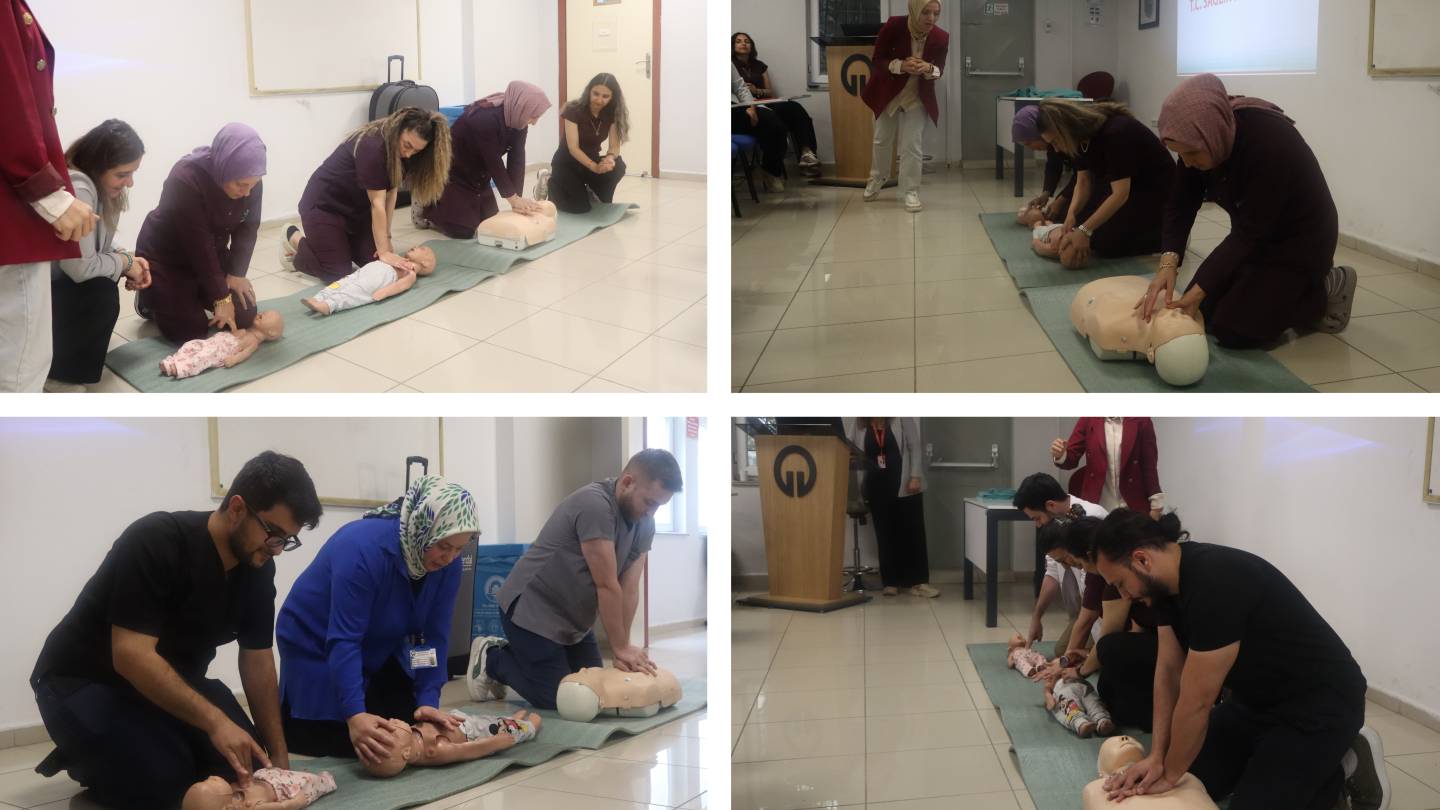
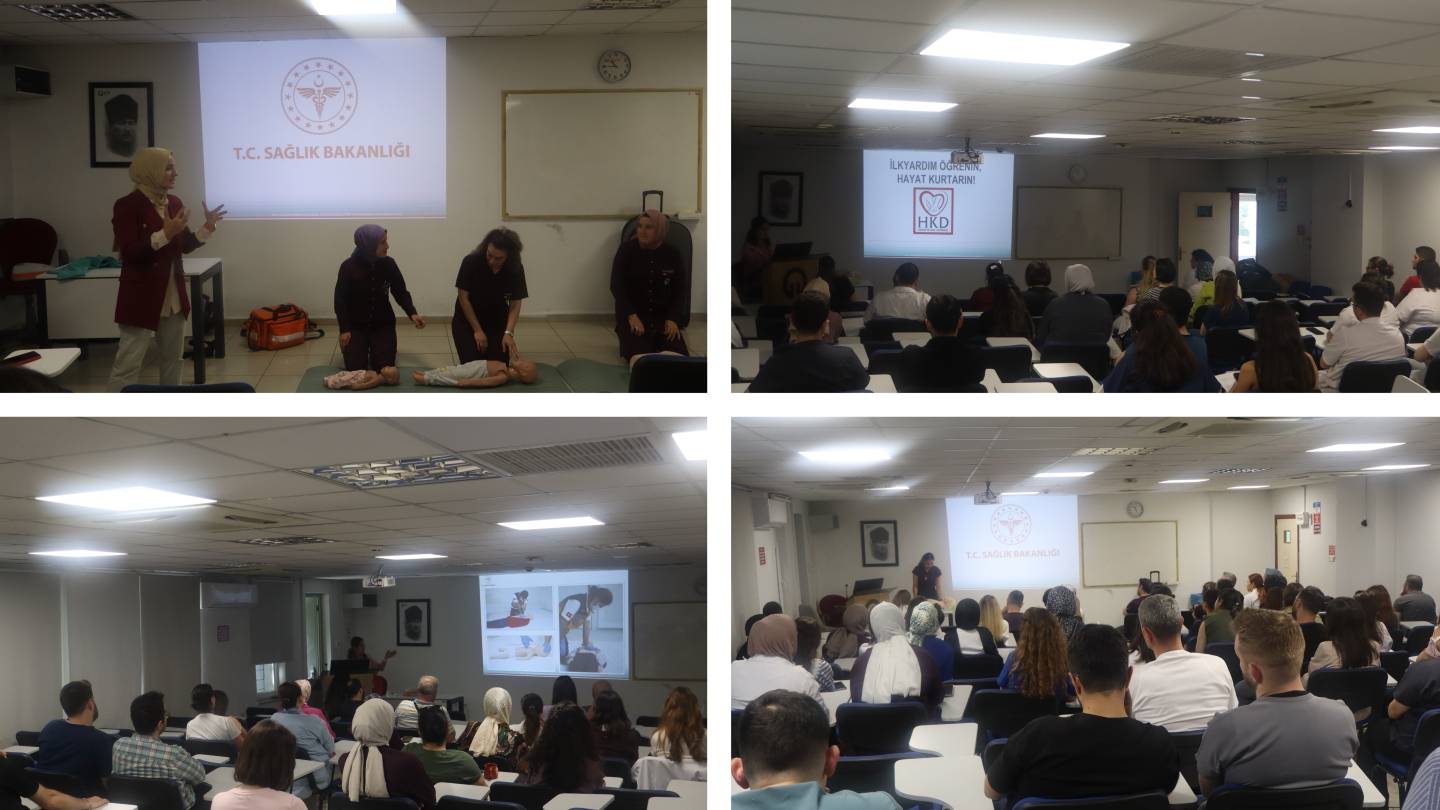
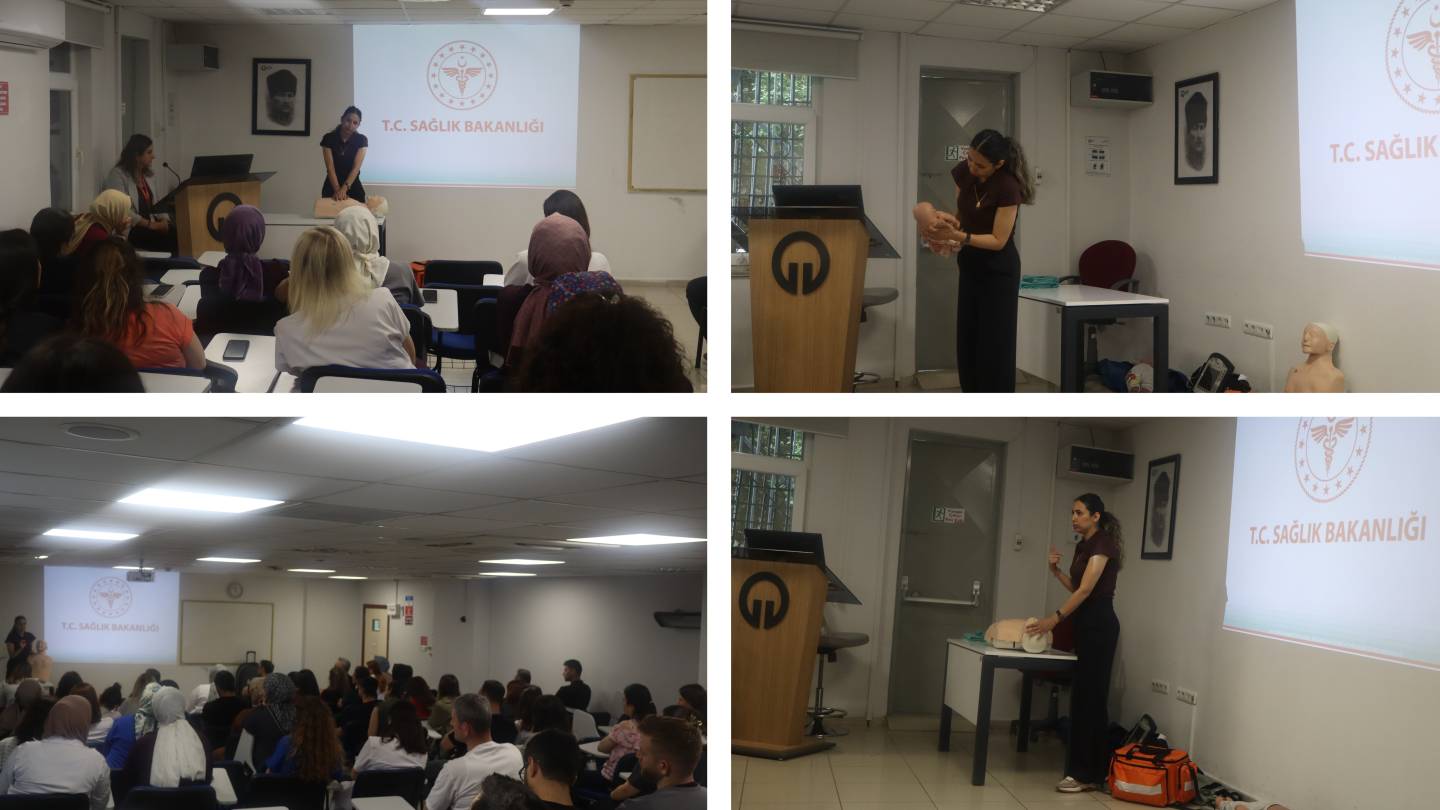
Another concrete example of collaboration with health institutions in 2025 involved Basic Life Support/Cardiopulmonary Resuscitation (CPR) training. On 1 July 2025, Basic Life Support/CPR Training was organised through cooperation between the Faculty of Dentistry of our University and the Health Services Directorate of the Trabzon Provincial Directorate of Health. The training was conducted for four separate groups and included staff from the Faculty of Dentistry as well as employees from different units of our University. Participants were actively involved in practical exercises, allowing theoretical knowledge to be directly translated into practice. The University’s official announcement states that the training was organised jointly with the Health Services Directorate of the Trabzon Provincial Directorate of Health and that healthcare professionals from the Directorate directly contributed to the training process. On the same date, more specialised training was also provided to the Code Blue Team of the Faculty of Dentistry, covering life-saving interventions including initial patient assessment and intervention, medication administration, cardiac massage, and the use of an Automated External Defibrillator (AED). This training was likewise delivered with the contribution of healthcare professionals from the Trabzon Provincial Directorate of Health. These activities clearly demonstrate that our University and the local health authority actively collaborated to improve emergency health response capacity and disseminate life-saving skills.
Our University’s collaboration with health institutions also encompasses institutional mechanisms related to the direct provision and support of healthcare services. A “Service Agreement on the Purchase/Sale of Laboratory Tests and Services” between the Chief Physician’s Office of Farabi Hospital of our University and the Trabzon Provincial Directorate of Health remained in force from 16 July 2024 to 16 July 2025, and was therefore active for a substantial part of 2025. The University’s official protocol inventory identifies the parties to the agreement as the Chief Physician’s Office of Farabi Hospital and the Trabzon Provincial Directorate of Health. This cooperation represents a tangible example of a service-based institutional partnership between the University and the local public healthcare system, allowing the University’s healthcare and laboratory capacity to be shared with and contribute to the wider public health system.
Evidence: https://www.ktu.edu.tr/yonetim/ulusalprotokoller
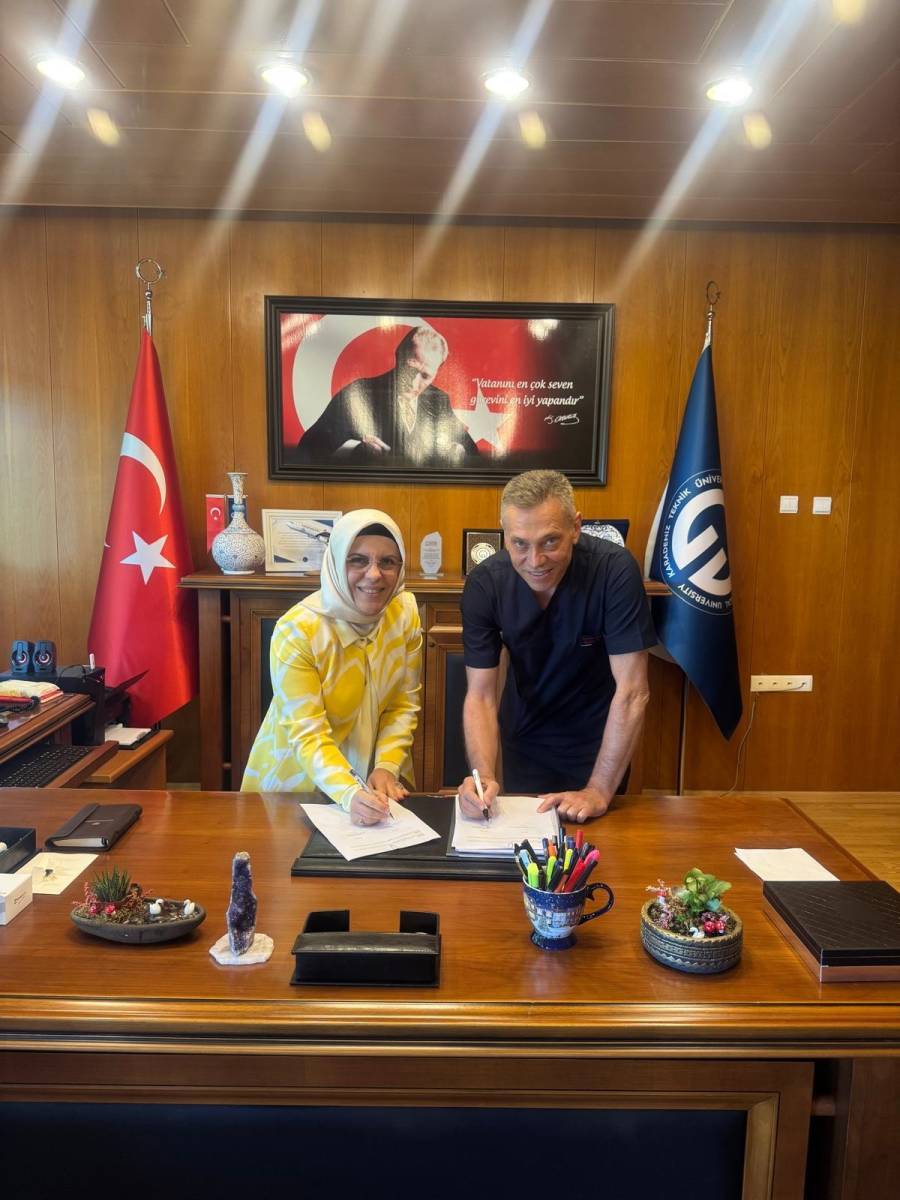
Our University has also strengthened institutional cooperation within its healthcare infrastructure in order to achieve greater integration between medical education, scientific research, and healthcare delivery. On 18 July 2025, a Cooperation Protocol was signed between the Dean’s Office of the Faculty of Medicine and the Chief Physician’s Office of Farabi Hospital. The protocol aims to strengthen existing collaboration in the areas of education, research, and healthcare services and to ensure that joint activities are carried out more effectively. According to the official protocol inventory of the Faculty of Medicine, the agreement covers the period 18 July 2025–18 July 2028. This structure enables our University to integrate its academic and scientific capacity with clinical healthcare services, connect medical education with real clinical environments, and strengthen institutional coordination between education, research, and patient care.
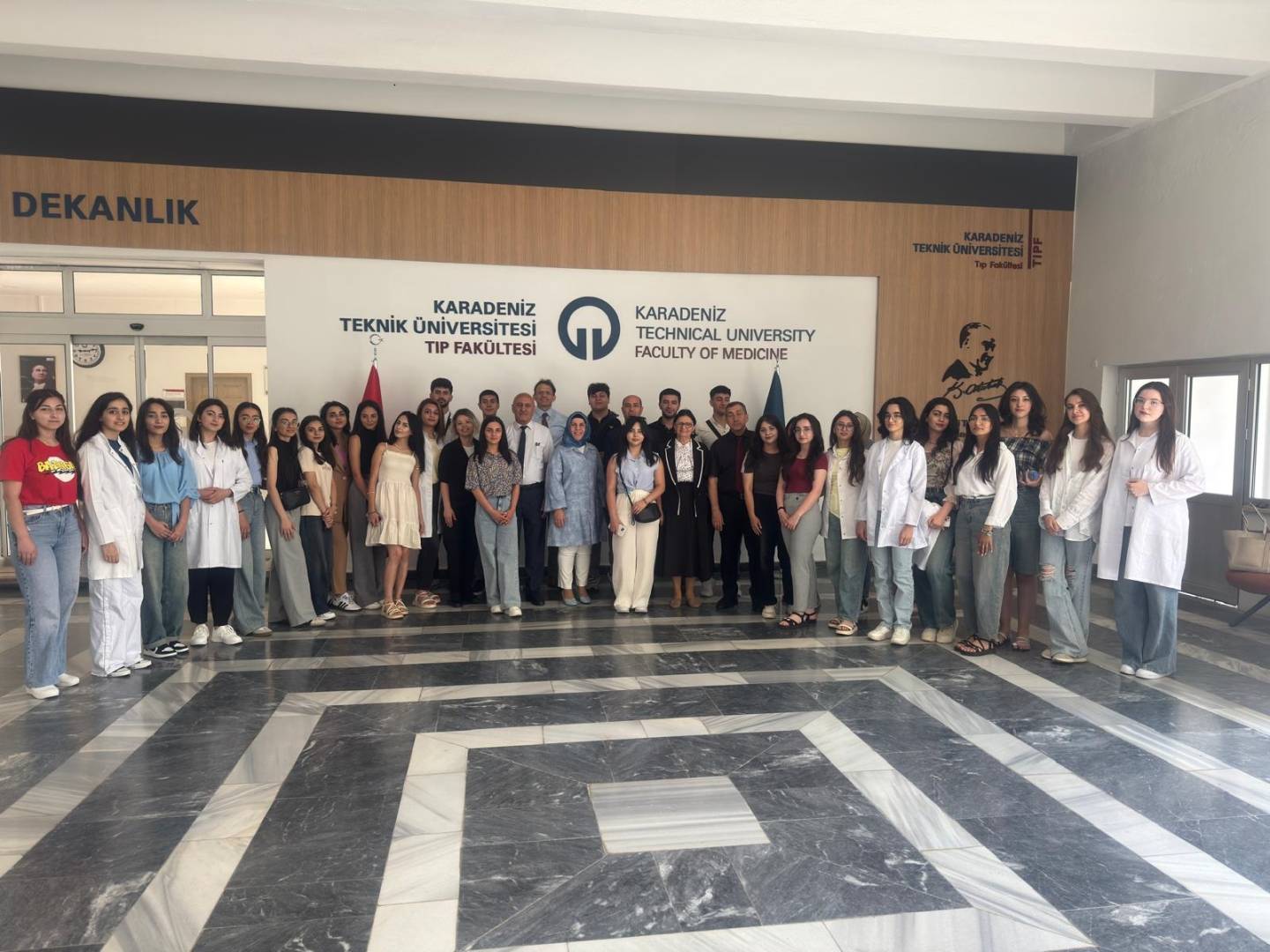
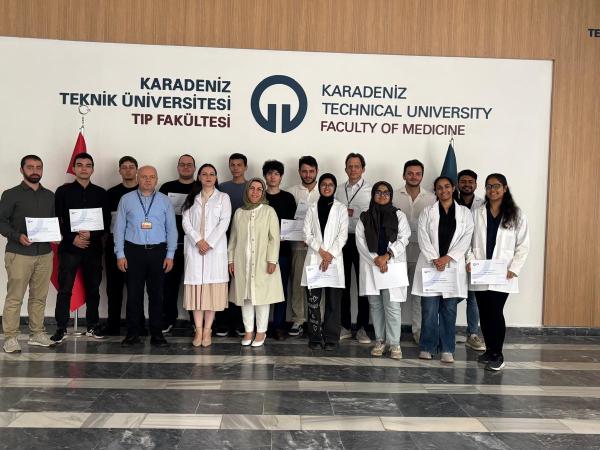
Our University’s collaborations in the field of health also extend to the international level. An International Educational Cooperation Agreement between our University and Petre Shotadze Tbilisi Medical Academy in Georgia is valid from 19 March 2024 to 19 March 2029 and was therefore active in 2025. The official protocol records of the Faculty of Medicine clearly document both the parties and the validity period of this agreement. In 2025, the collaboration resulted in a concrete health education activity when students from Petre Shotadze Tbilisi Medical Academy undertook clinical internships at the Faculty of Medicine of our University between 4–22 August 2025. The students received practical training in the Emergency Department and in the Departments of Paediatrics, Dermatology and Venereology, Internal Medicine, and Anaesthesiology and Reanimation, thereby enhancing their clinical knowledge and experience. The University’s official announcement also explicitly states that the programme strengthened academic cooperation between the two institutions. This partnership demonstrates that our University maintains an active international collaboration with a medical education institution aimed at training healthcare professionals, sharing clinical knowledge and experience, and strengthening international capacity in health education.
Another ongoing international collaboration in health education is conducted with Nakhchivan State University. According to the official records of the Faculty of Medicine of our University, the International Educational Cooperation Agreement between the two universities is valid from 7 June 2022 to 7 June 2027, and was therefore active in 2025. Within the framework of this protocol, faculty members and students from the Faculty of Medicine of Nakhchivan State University participated in internships and academic activities in different departments of our Faculty of Medicine between 7–19 July 2025. Students took part in clinical observations and laboratory activities in Emergency Medicine, Child and Adolescent Psychiatry, Paediatrics, General Surgery, Internal Medicine, and Obstetrics and Gynaecology. This activity further demonstrates that our University maintains sustainable international partnerships focused on medical education, the transfer of clinical experience, and the training and professional development of future healthcare professionals.
Evidence: https://www.ktu.edu.tr/med/haber/nahcivan-devlet-universitesinden-fakultemize-ziyaret
In conclusion, throughout 2025, our University not only maintained formal agreements with health institutions aimed at improving health and wellbeing outcomes, but also translated these agreements into active research, education, healthcare service, and professional capacity-building activities. Taken together, the joint research conducted with the Trabzon Provincial Directorate of Health on chronic diseases and community health; the protocol enabling Faculty of Health Sciences students to undertake vocational training in public healthcare institutions; midwifery training programmes implemented jointly with the Provincial Directorate of Health and Kanuni Training and Research Hospital; Basic Life Support and CPR training delivered in cooperation with the Health Services Directorate of the Trabzon Provincial Directorate of Health; laboratory service cooperation between Farabi Hospital and the Provincial Directorate of Health; the education, research, and healthcare services protocol between the Faculty of Medicine and Farabi Hospital; and clinical education activities with international medical education institutions demonstrate that our University has a current, institutional, sustainable, and multidimensional network of collaboration with health institutions at local, regional, national, and international levels, specifically aimed at improving health and wellbeing outcomes.