Our University addresses its institutional approach to combating climate change, adapting to climate change, reducing greenhouse gas emissions, increasing the use of renewable and clean energy, reducing disaster risks, and strengthening environmental sustainability within the framework of a Climate Action Plan, and makes this approach publicly available.
Our University’s approach to climate action is also integrated into its institutional planning system through the 2024–2028 Strategic Plan. Within the Strategic Plan, the climate crisis is identified as an environmental risk for the University, and the development of action plans against potential climate-related crises, as well as cooperation and joint activities by relevant application and research centres in the field of climate change, are envisaged. In addition, improving environmental sustainability, increasing environmental awareness, and carrying out educational and social responsibility activities for society form part of the University’s institutional approach.
The Strategic Plan also links the University’s engagement with external stakeholders to measurable performance indicators. Activities implemented under protocols with public institutions, NGOs, and local governments, feedback from external stakeholders, and the participation of external stakeholders in decision-making mechanisms are included among the University’s institutional performance indicators. In this way, an institutional governance framework has been established to support the joint consideration of climate and sustainability policies with local and regional stakeholders.
Evidence:
https://www.ktu.edu.tr/yonetim/planlar
KTU 2024–2028 Strategic Plan:
https://surdurulebilirlik.ktu.edu.tr/dosyalar/tr_JQFYj.pdf
With regard to cooperation with local government, the University’s institutional relations with the Trabzon Metropolitan Municipality provide an important example. A cooperation protocol signed between the University and Trabzon Metropolitan Municipality on 27 December 2024, which remained in force throughout 2025, established an institutional framework for assessing regional disaster risks, supporting scientific research, and developing local-level risk reduction activities through the University’s Landslide Application and Research Center.
On the same date, another cooperation protocol between the University’s Graduate School of Natural and Applied Sciences and Trabzon Metropolitan Municipality entered into force in the areas of postgraduate education, research, and development. These protocols are important in terms of sharing the University’s scientific knowledge and expertise with local government and developing joint solutions to regional challenges.
Evidence:
https://surdurulebilirlik.ktu.edu.tr/yonetim/ulusalprotokoller
Our University also maintains cooperation with the Trabzon Provincial Directorate of Environment, Urbanisation and Climate Change in postgraduate education and research and development. The protocol, which commenced in 2023 and remains in force until 2026, was therefore active throughout 2025 and provided an institutional framework for scientific and academic cooperation between the University and the relevant public authority in the fields of environment, urbanisation, and climate change.
Evidence:
https://surdurulebilirlik.ktu.edu.tr/yonetim/ulusalprotokoller
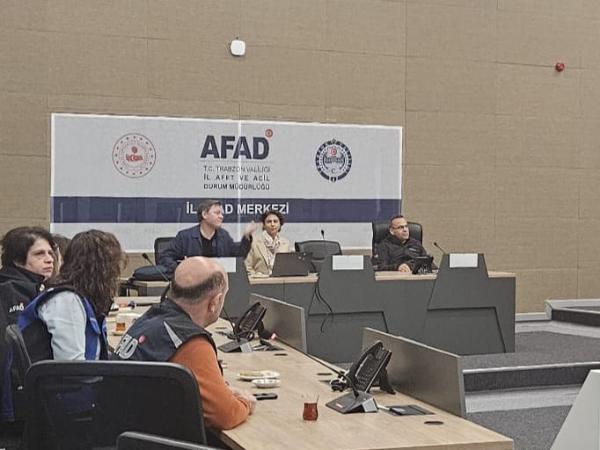
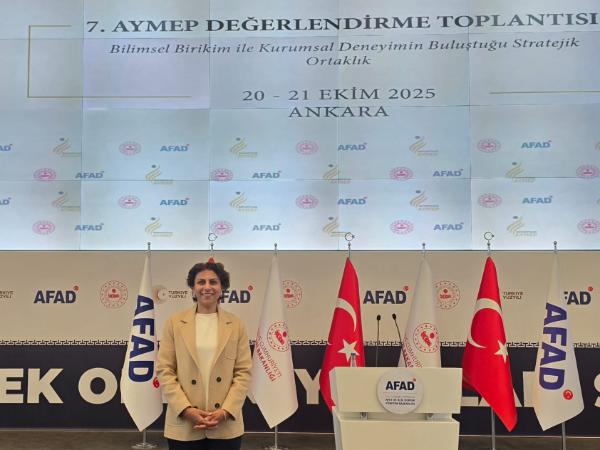
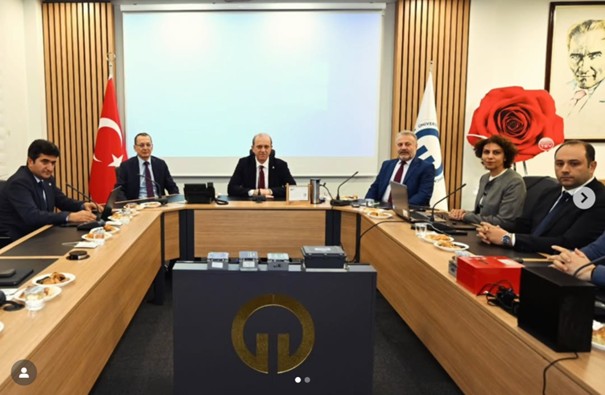
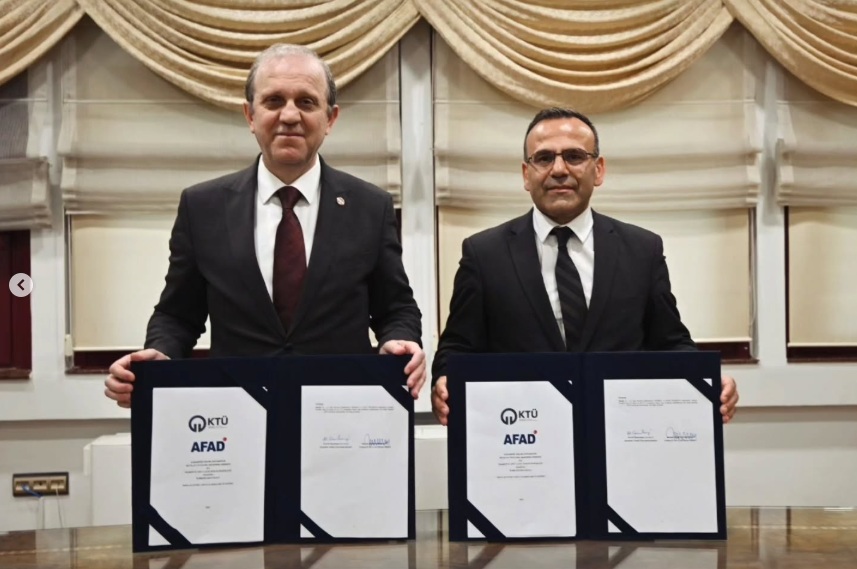
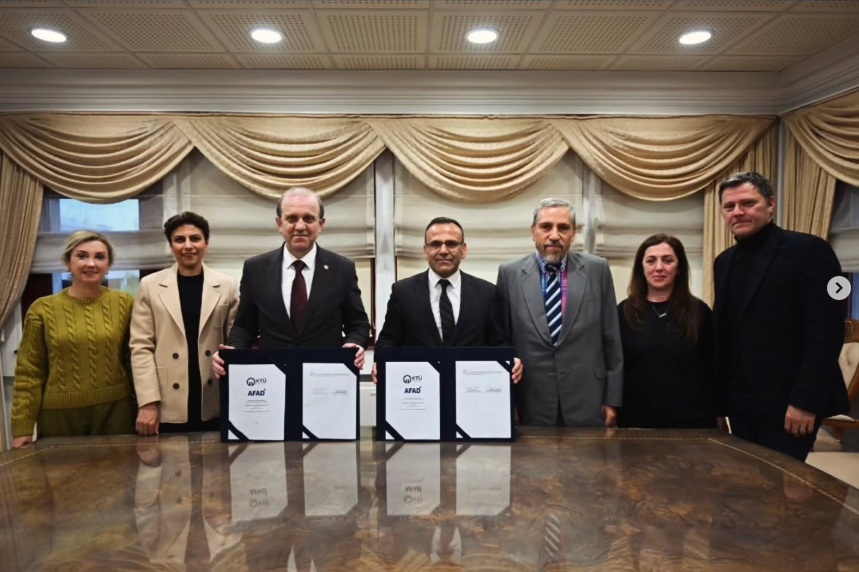
Reducing disaster risks associated with climate change is another important component of the University’s climate action approach. On 14 April 2025, a “Cooperation Protocol on Natural Hazard Studies and Education” was signed between the University’s Landslide Application and Research Center and the Trabzon Provincial Directorate of Disaster and Emergency Management (AFAD). The protocol supports the development of scientific research, training, and awareness activities related to natural hazards. The University’s sustainability website states that this cooperation includes disaster risk reduction, the development of early warning systems, and public awareness activities.
Evidence:
https://surdurulebilirlik.ktu.edu.tr/yonetim/ulusalprotokoller
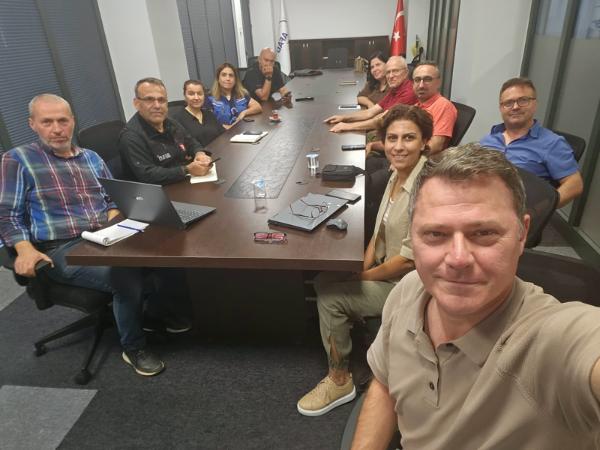
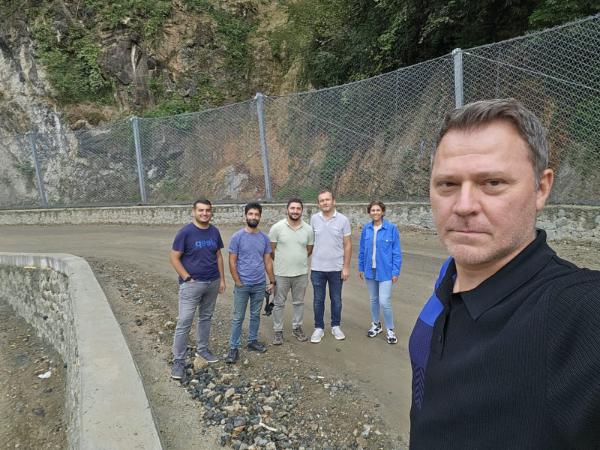
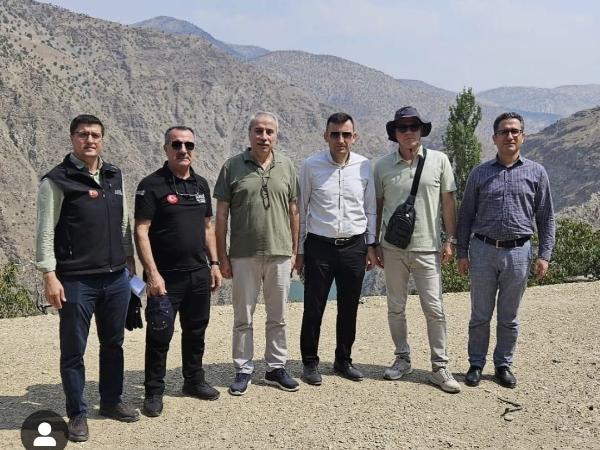
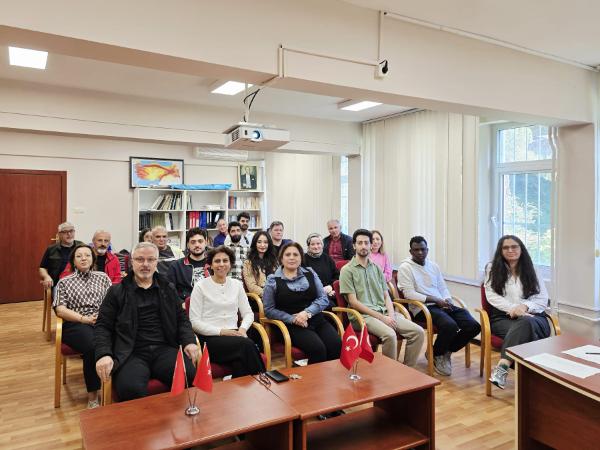
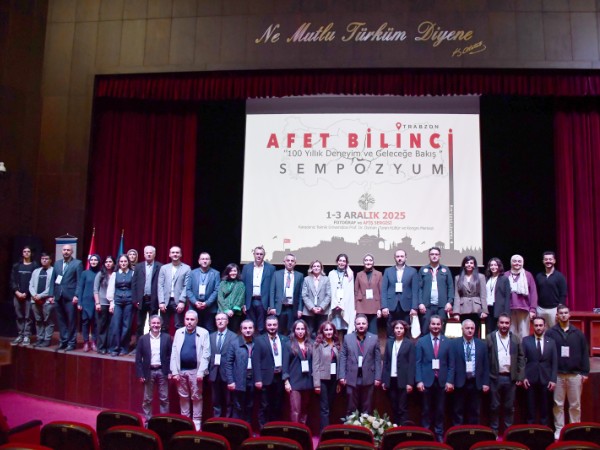
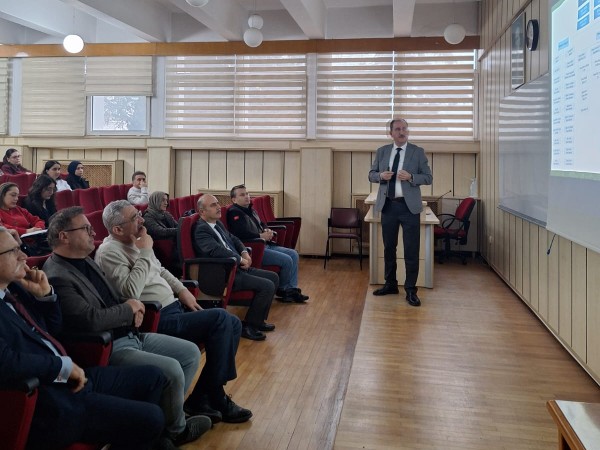
Our University also adopts a collaborative planning approach to climate change and disaster risks. The Earthquake and Structural Health Application and Research Center, the Landslide Application and Research Center, and academic units working in environmental fields conduct joint activities with local public institutions and the community on the environmental impacts of climate change, intense rainfall, landslides, floods, and other disaster risks. These activities support the transfer of scientific knowledge into local risk management and decision-making processes.
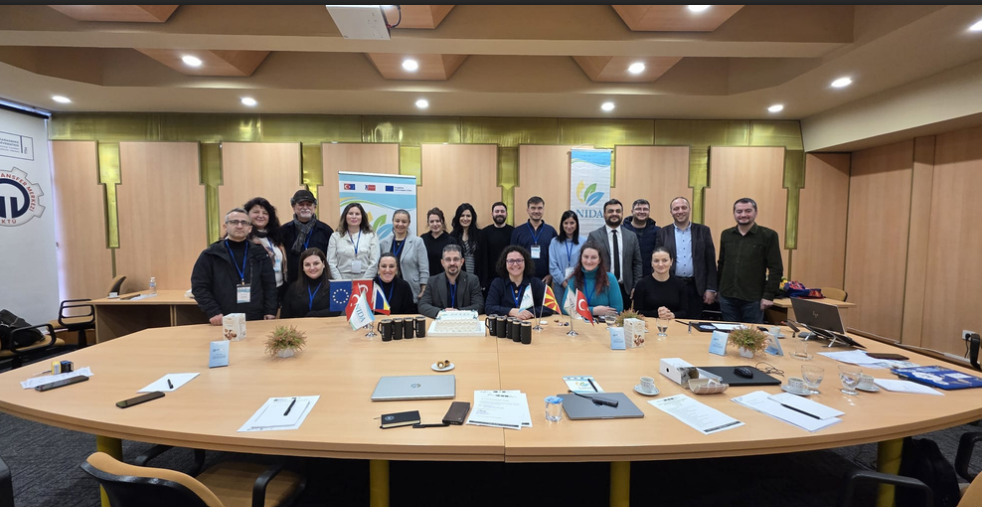
Local community groups and civil society organisations are also important stakeholders in the University’s climate action approach. Our University carries out joint projects, seminars, workshops, and awareness programmes with local and national NGOs in the fields of climate adaptation and disaster risk reduction. Environmental education, afforestation, protection of natural assets, erosion control, recycling, and zero-waste activities carried out with organisations such as the TEMA Foundation, professional chambers, and various local community organisations are examples of this approach.
The University’s cooperation with local governments in the field of sustainable urban development further supports this approach. Our University provides scientific and technical contributions to local governments in Trabzon in the areas of urban planning, sustainable development, environmental design, and resilient cities. Interdisciplinary planning and design activities undertaken within the Ortahisar Gülcemal Reclamation Area Project, together with smart city studies involving representatives of local government, are examples of these collaborations.
The University’s 2025 SDG 13: Climate Action Report also documents numerous activities and knowledge-sharing initiatives carried out throughout 2025 in the areas of climate change, global warming, disaster risks, sustainable campus management, forest and water resources, clean energy, and ecological design. The report demonstrates that the University’s institutional approach to climate action is monitored annually and shared publicly.
Evidence:
https://www.ktu.edu.tr/dosyalar/surdurulebilirlik_YEcw3.pdf
Within this framework, the University’s Climate Action Plan and related sustainability policies are publicly available, while activities aligned with the objectives of the plan are implemented at local and regional levels through institutional cooperation with local governments, public institutions, civil society organisations, and local community groups.
In conclusion, our University has an institutional Climate Action Plan. The plan and related climate policies are publicly shared, and in 2025 the sharing and implementation of the University’s climate action approach with local stakeholders were supported through cooperation agreements, protocols, training activities, joint initiatives, and partnerships with local governments, public institutions, and local community organisations.