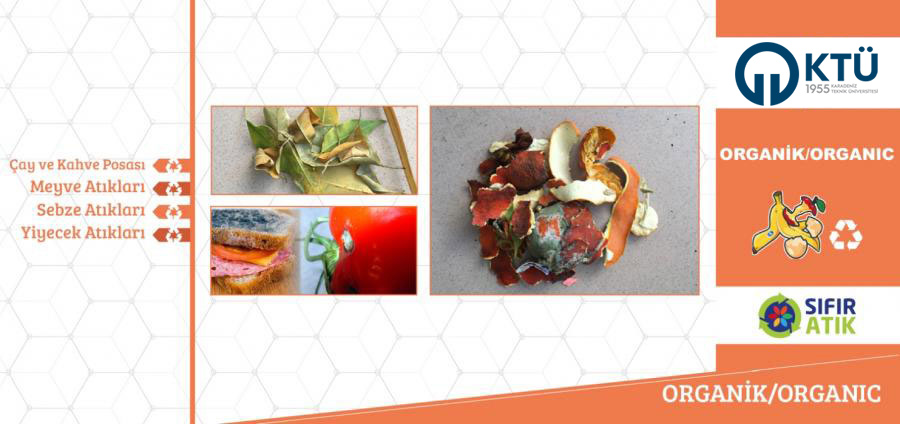
Our University operates an institutional system for the monitoring, source separation, recording, and recovery of food and organic waste generated from catering services provided across its campuses. Student and staff dining facilities operate on the Kanuni Campus and at other University locations under the coordination of the Department of Health, Culture and Sports. Within the University’s Zero Waste Management System, food residues, bread waste, and other organic waste generated during food preparation and consumption processes are defined as separate waste categories.
Evidence: https://www.ktu.edu.tr/sifiratik/kafeteryaveyemekhane
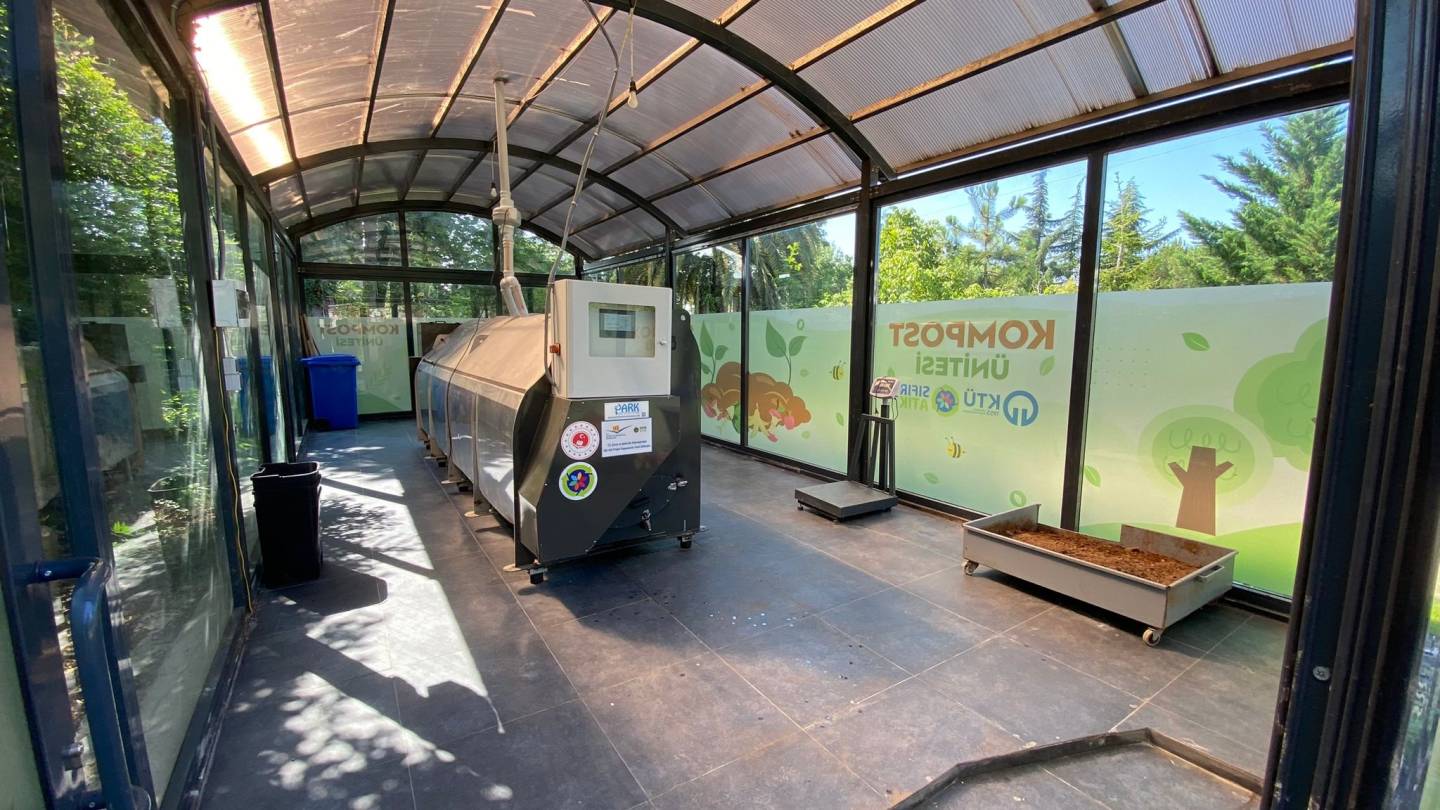
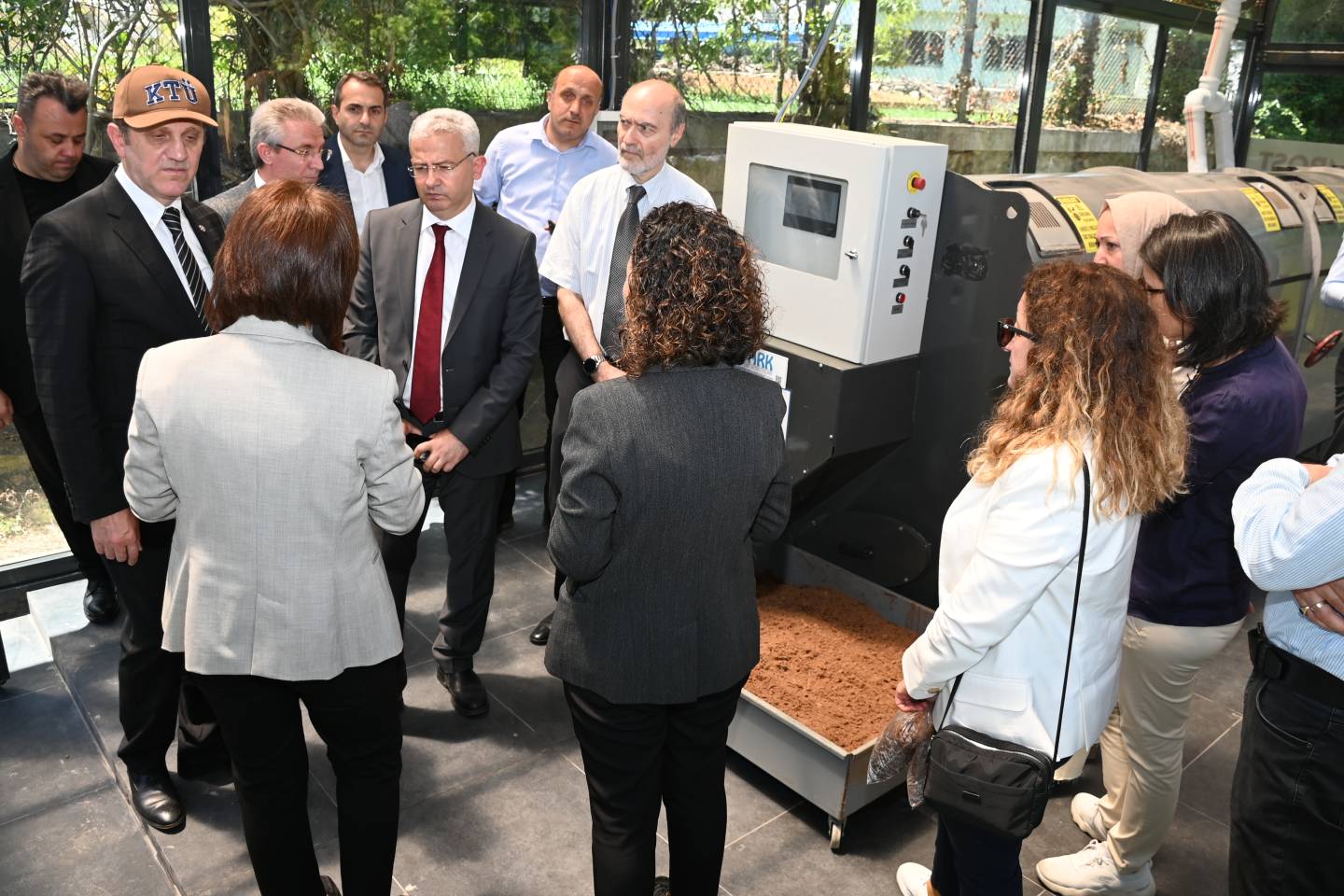
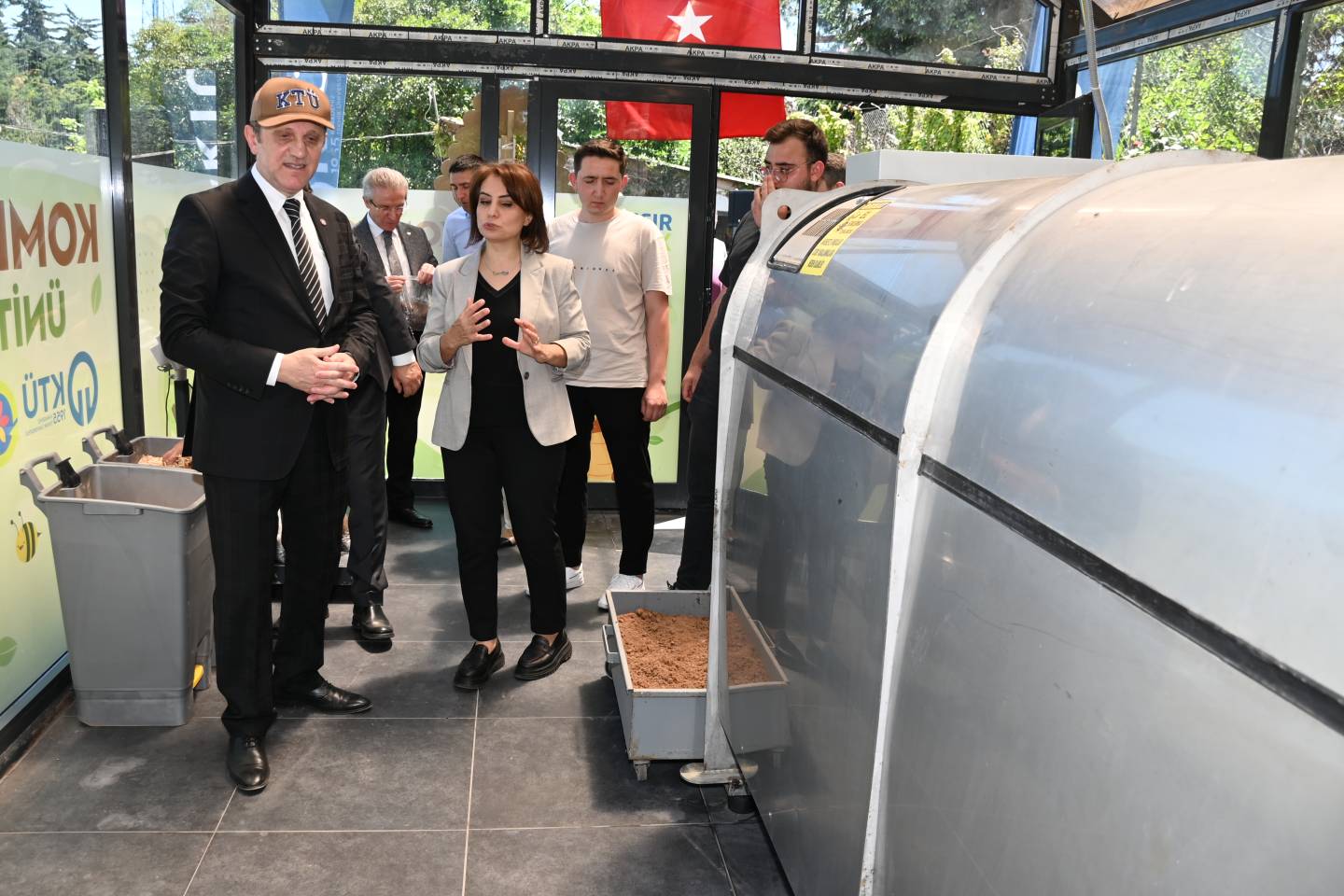
Within the University’s publicly available “Campus Food Waste Tracking” system, organic waste generated by the Nejmi Kırkbir Student Dining Hall, Faculty of Medicine Student Dining Hall, and Academic and Administrative Staff Dining Hall on the Kanuni Campus is collected daily by designated personnel and processed at the University’s Composting Unit. In this way, organic waste originating from University catering services is managed as a separate waste stream rather than being mixed with general municipal waste, enabling it to be systematically tracked and recovered.
Evidence: https://www.ktu.edu.tr/sifiratik/kompost-unitemiz
This system remained actively operational in 2025. According to the University’s SDG 2 sustainability reporting, organic waste collected daily from the three dining facilities is converted into organic fertiliser at the Composting Unit located on the Kanuni Campus. During the composting process, approximately 10% sawdust is added to the collected organic material, and compost is obtained after an approximately 14-day processing period. The system is operated by an environmental engineer, a health technician, and support personnel working under the Zero Waste Coordination Office. An annual organic fertiliser production capacity/target of approximately 6.5 tonnes demonstrates both the continuity and operational scale of the system.
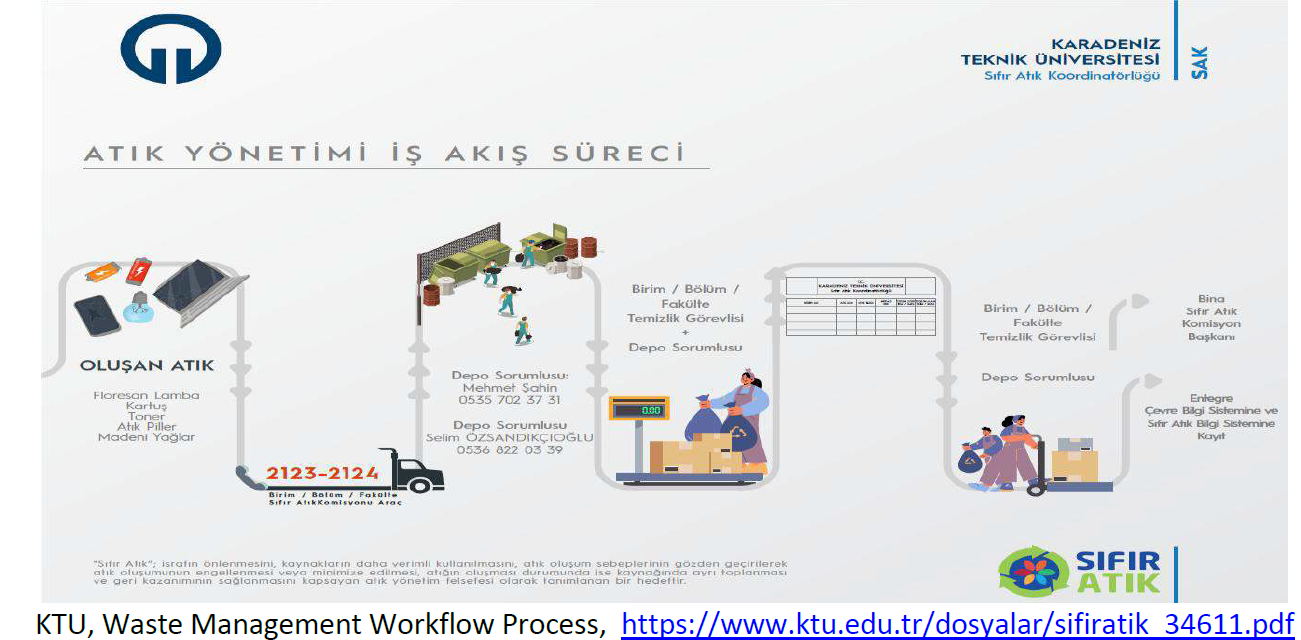
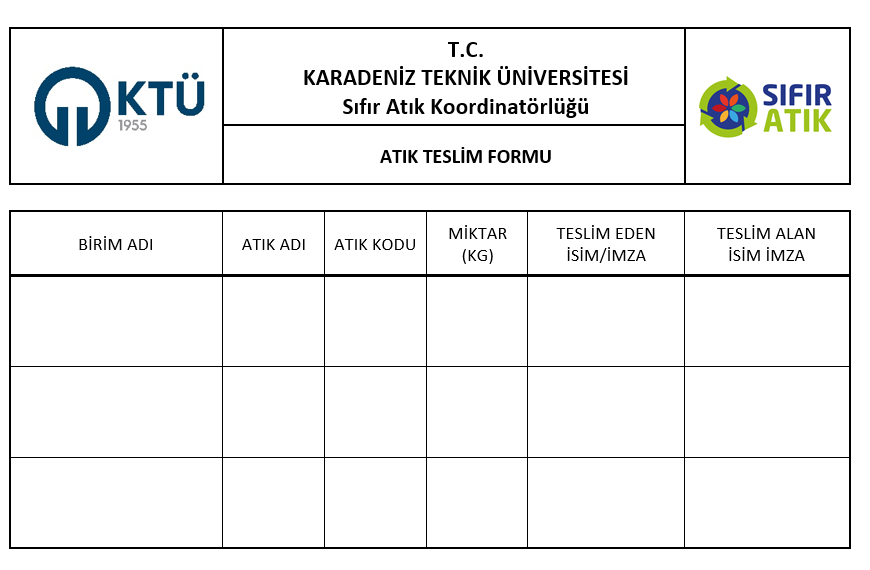
Food waste tracking also forms part of KTÜ’s broader institutional waste-data management system. Under the University’s policy governing organic and inorganic waste, all units are expected to identify the types and quantities of waste they generate. Academic and administrative units are required to monitor their waste data and report it to the Zero Waste Coordination Office. Unit-level commissions periodically report information on waste types and quantities; the amount of organic waste composted is monitored as a performance indicator; and annual results are incorporated into the University’s sustainability reporting.
Evidence: https://www.ktu.edu.tr/dosyalar/surdurulebilirlik_FgZoD.pdf
The University also uses a meal reservation system as a preventive mechanism to reduce food waste at source. In 2025, students and academic and administrative staff were able to reserve their meals in advance through the Campus Card system, allowing expected meal demand to be estimated before food preparation. Although this system does not replace the direct measurement of food waste, it supports the reduction of overproduction and the associated risk of avoidable food waste.
Evidence: https://www.ktu.edu.tr/sks/duyuru/yemek-rezervasyon-islemleri-hakkinda-duyuru
In conclusion, in 2025, our University separately collected food and organic waste generated from campus catering services, monitored it as part of daily operations, and recovered it through composting. This practice constitutes an institutional campus food waste management system based on source separation, recording and monitoring, and the recovery of food waste as a circular resource.