In 2025, Karadeniz Technical University used an integrated treated-water management system combining municipal treatment plants, campus-based treatment facilities, on-site filtration units, and treated rainwater and reuse systems.
Municipal Treated Water
Treated water supplied by the Trabzon Metropolitan Municipality through the Esiroğlu, Çamburnu, and Cumapazarı treatment plants is used for drinking, domestic activities, and other essential campus needs.
Campus-Based Treatment Systems
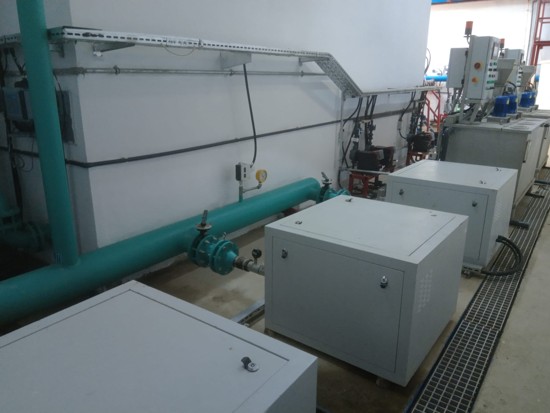
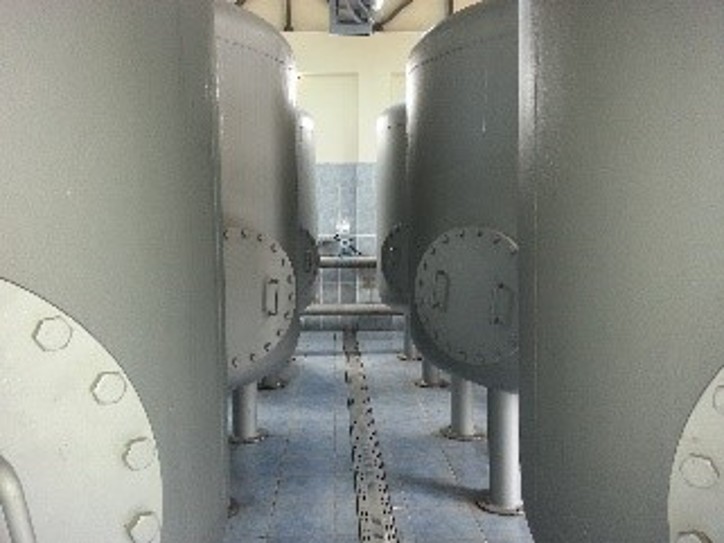
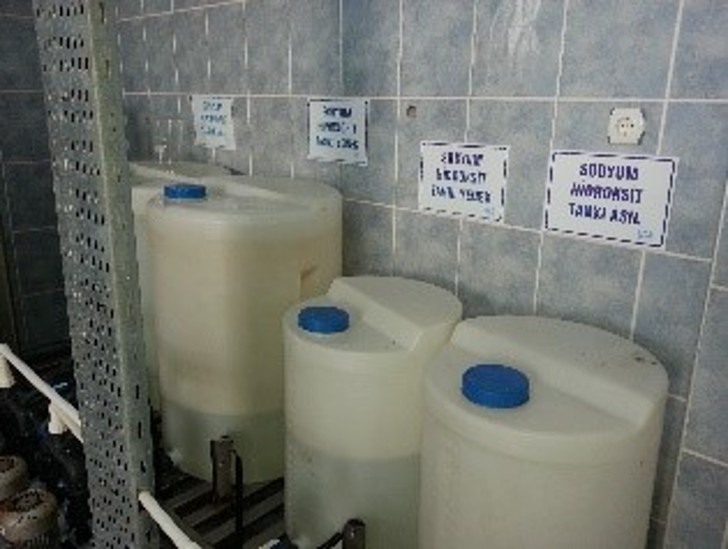
KTU operates internal water treatment plants incorporating physical filtration, chemical dosing, disinfection, and process circulation systems. These facilities provide treated water for campus distribution and strengthen the university’s institutional water-management capacity.
On-Site Filtration
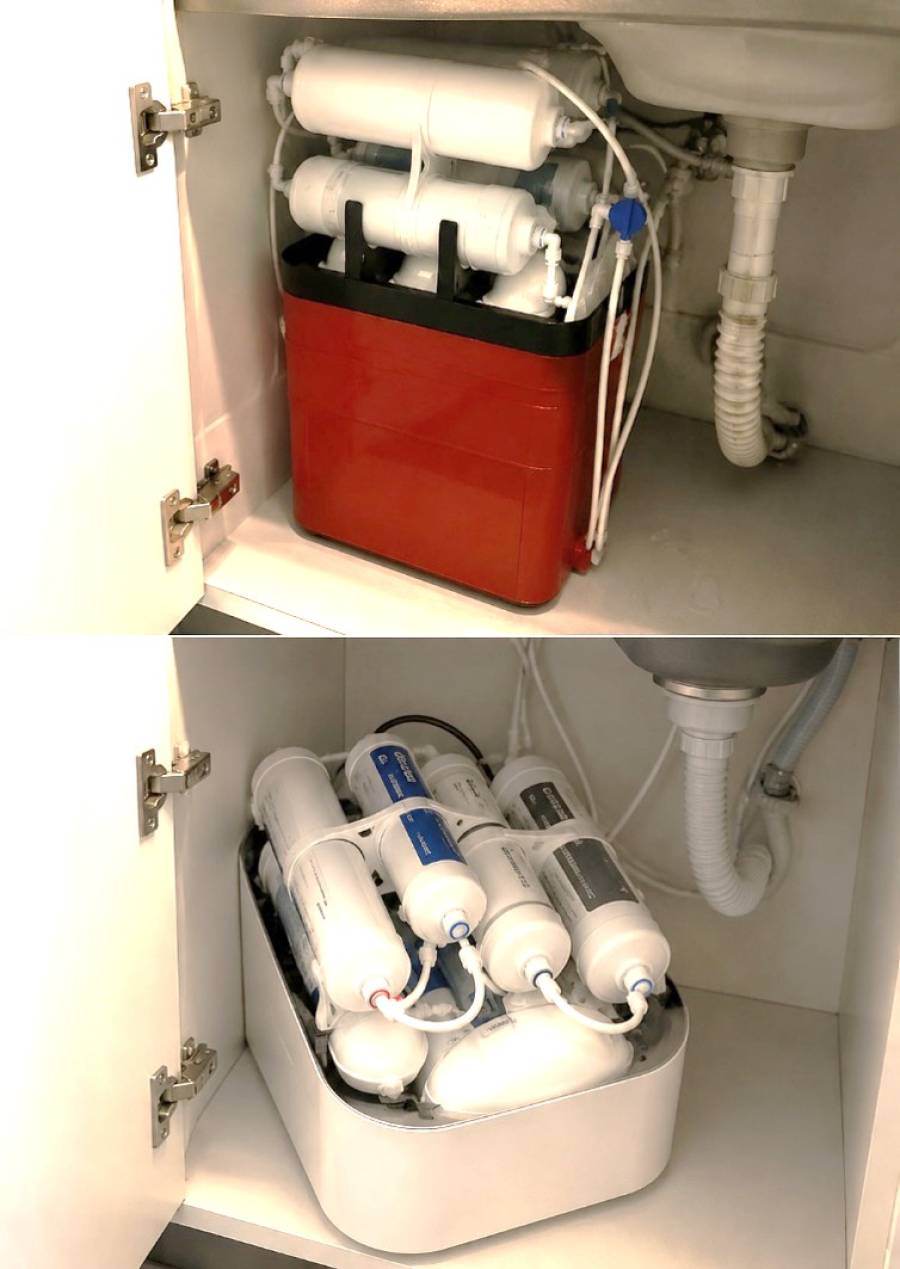
RO, UV, and carbon filtration systems are used in laboratories, canteens, student areas, administrative buildings, and drinking-water dispensers to provide high-quality water for specific applications.
Treated Rainwater and Reused Water
Collected rainwater and reused water are subjected to physical or biological treatment before being used for irrigation and other controlled non-potable applications. This reduces unnecessary consumption of potable water.
Treated Water Consumption
In 2025, the university consumed a total of 635.35 m³ of water. Of this amount, 621.37 m³ was treated through municipal, campus-based, filtration, or reuse-preparation systems. Therefore, treated water represented 97.80% of total annual water consumption.
Campus Treatment Capacity
When externally treated municipal water is excluded, 548.30 m³ of water was treated through systems located within the university campuses. This corresponds to 86.30% of total annual water consumption.
KTU’s high treated-water consumption rate demonstrates a comprehensive water-management approach based on treatment, filtration, disinfection, quality control, and reuse. These systems improve water safety, reduce dependence on untreated sources, and strengthen the university’s resilience and sustainability in water resource management.