In 2025, Karadeniz Technical University implemented and regularly monitored an integrated water pollution control system to prevent chemical, biological, and solid pollutants from entering campus drainage networks, soil, and surrounding water bodies.
Laboratory Wastewater Control
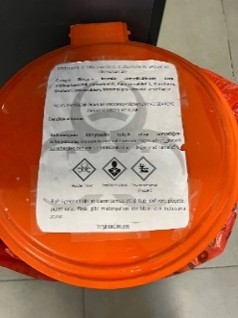
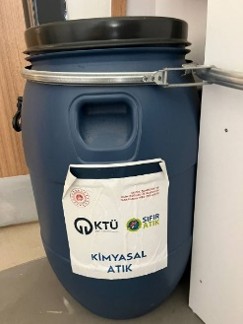
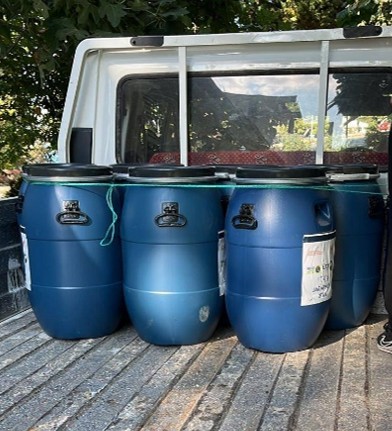
Liquid laboratory wastes containing acids, bases, solvents, heavy metals, and other chemical residues are separated according to waste type and collected in labeled hazardous-waste containers. These wastes are not discharged directly into the campus drainage system.
Stormwater and Drainage Management
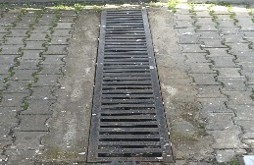
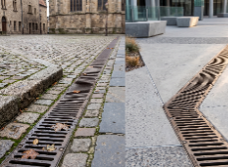
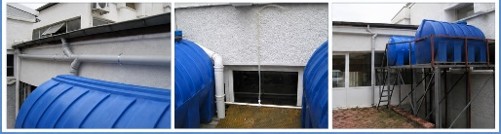
Stormwater channels, drainage lines, runoff-collection structures, and underground transfer systems are periodically inspected and maintained, particularly before and after heavy rainfall. These measures reduce the transport of suspended solids, litter, soil particles, and surface contaminants into nearby waterways.
Chemical Storage and Spill Prevention
Chemicals are stored in controlled and labeled areas using secondary containment systems. Spill kits, safety data sheets, isolation procedures, and regulated temporary storage areas are used to prevent accidental chemical leakage into drains and surrounding environments.
Food-Service Pollution Prevention
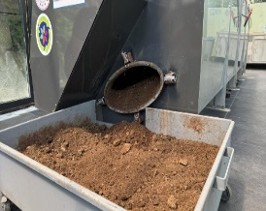
Food residues, oils, grease, and organic waste from canteens and dining facilities are prevented from entering wastewater systems through controlled collection and composting practices. This source-control approach reduces organic pollution loads before wastewater is generated.
Treatment and Filtration Systems
Campus water-treatment plants and RO, UV, and carbon-filtration units are operated under defined maintenance procedures. Sludge, spent filters, filtration media, concentrated residues, and reject streams are collected and managed in a controlled manner.
Solid and Hazardous Waste Management
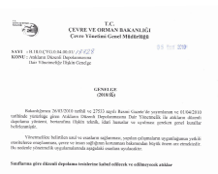
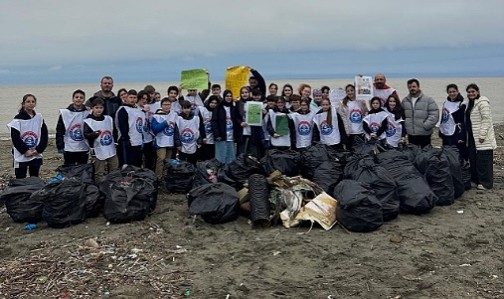
Regulated waste-storage areas, zero-waste collection points, regular campus cleaning, and documented waste-management procedures prevent solid and hazardous wastes from entering stormwater channels and drainage infrastructure.
Monitoring and Institutional Management
Water-quality parameters, drainage conditions, treatment systems, waste-storage areas, and pollution risks are monitored by responsible university units. These include the Waste Management Unit, Construction and Technical Works Unit, Technical Services, environmental and quality units, and laboratory supervisors.
KTU’s water pollution control program combines source prevention, drainage management, hazardous-waste segregation, treatment-system maintenance, water-quality monitoring, and institutional reporting. This fully implemented and regularly monitored framework protects campus water resources and surrounding aquatic environments.