In 2025, Karadeniz Technical University implemented and continued 12 innovative programs addressing energy efficiency, renewable energy, clean transportation, energy storage, water management, and climate change mitigation. These programs include university-developed prototypes, patented technologies, applied research systems, and international collaborative initiatives.
Energy-Efficient Technologies
Innovative programs include a structured micro-flow boiling heat sink with automated temperature control, a biomimetic UAV wing for energy-efficient flight, and an optimized battery thermal management system for electric vehicles. These technologies aim to reduce energy consumption, improve thermal efficiency, and enhance operational performance.
Renewable Energy and Thermal Storage
KTU developed solar-based systems such as a Ring Array Concentrator integrated with phase change material thermal storage and a hyperboloid solar concentrator for high-temperature industrial heat supply. A biodiesel production system using waste cooking oils was also introduced to support renewable fuel production and waste recovery.
Smart Energy Systems
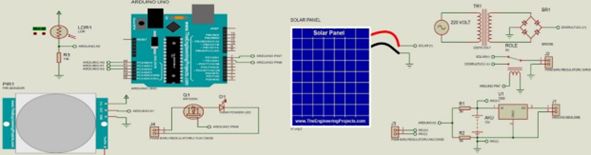
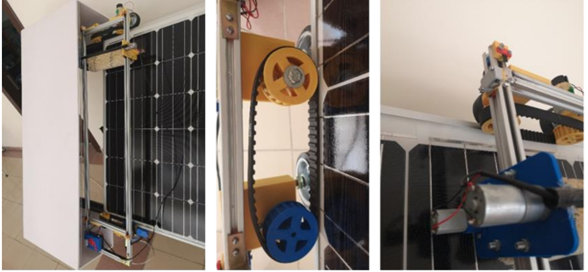
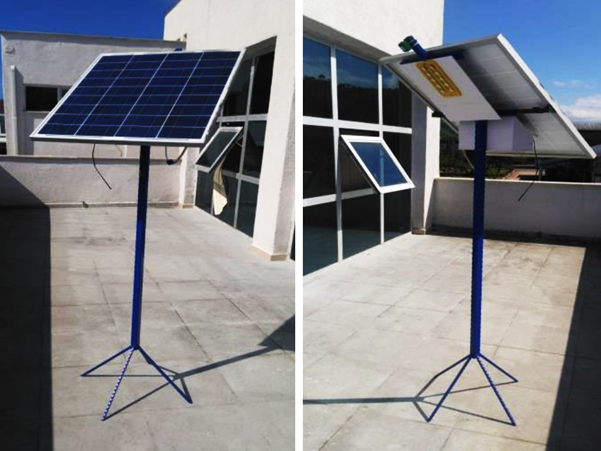
Smart street lighting with photovoltaic panels, battery storage, motion sensors, and grid integration reduces electricity consumption through adaptive control. An autonomous solar panel cleaning robot was also developed to maintain photovoltaic efficiency by reducing dust-related energy losses.
Clean Energy Storage and Hydrogen Technologies
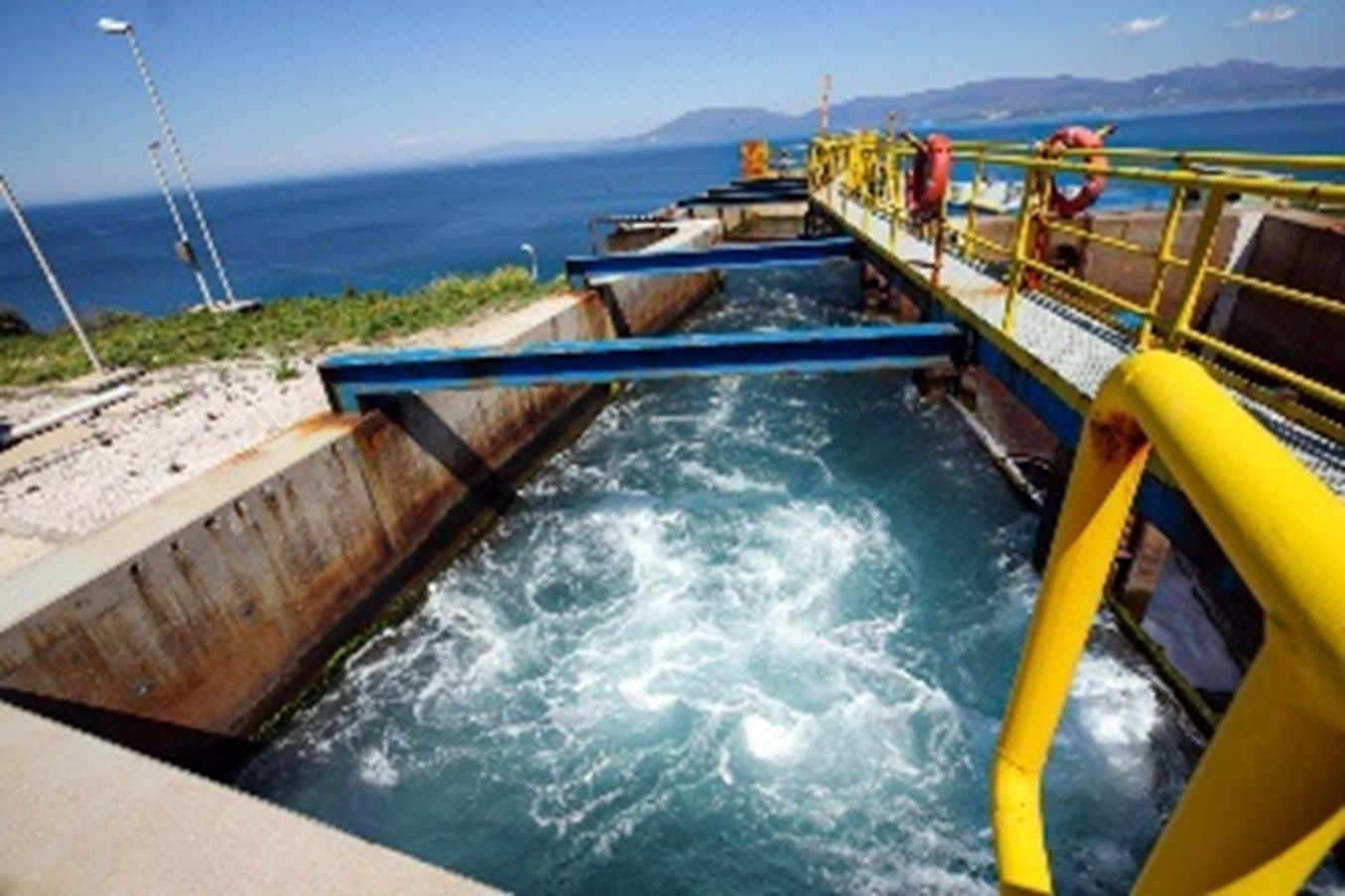
The university’s innovations include patented flexible electrodes based on Ni-B-coated expanded graphite for supercapacitors and lithium-ion batteries. A seabed hydrogen sulfide collection system was also developed to produce hydrogen, fresh water, and sulfur while reducing marine pollution.
Water and Climate Resilience
Rainwater harvesting and greywater recycling systems reduce dependence on treated municipal water and lower the energy demand associated with water supply and wastewater treatment.
International Climate Collaboration
KTU participates in the Interreg NEXT Black Sea Basin Programme, supporting cross-border research on climate adaptation, ecosystem protection, pollution reduction, sustainable resource management, and low-carbon technologies.