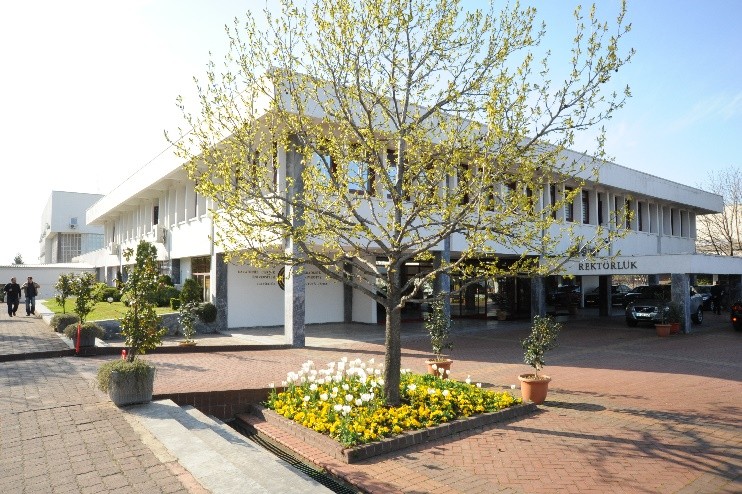
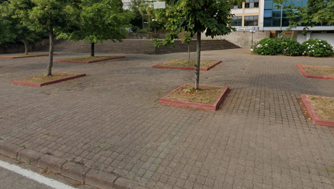
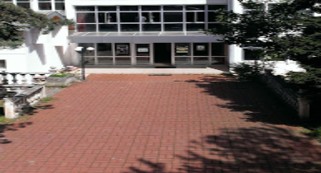
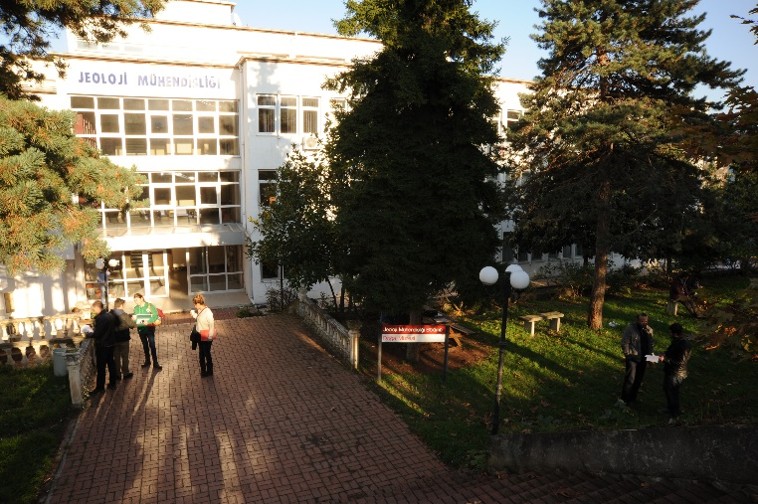
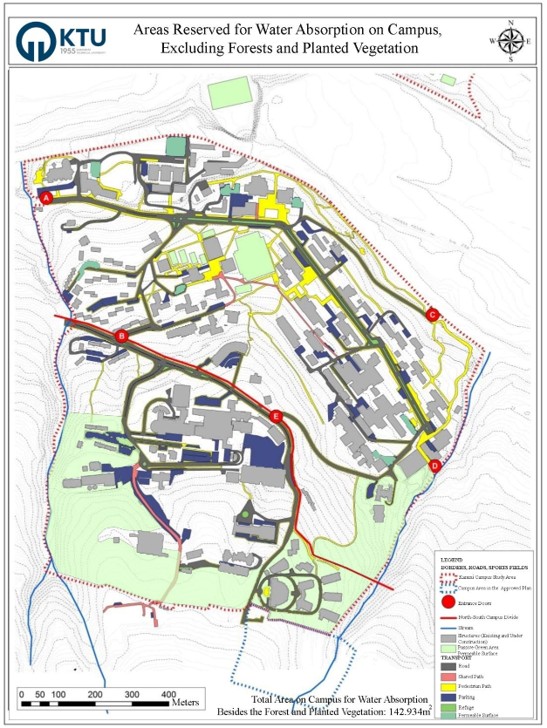
In 2025, Karadeniz Technical University assessed permeable and semi-permeable campus surfaces that support rainwater absorption, excluding forest and planted vegetation areas already reported under other GreenMetric indicators.
Permeable Campus Surfaces
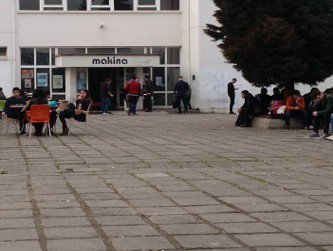
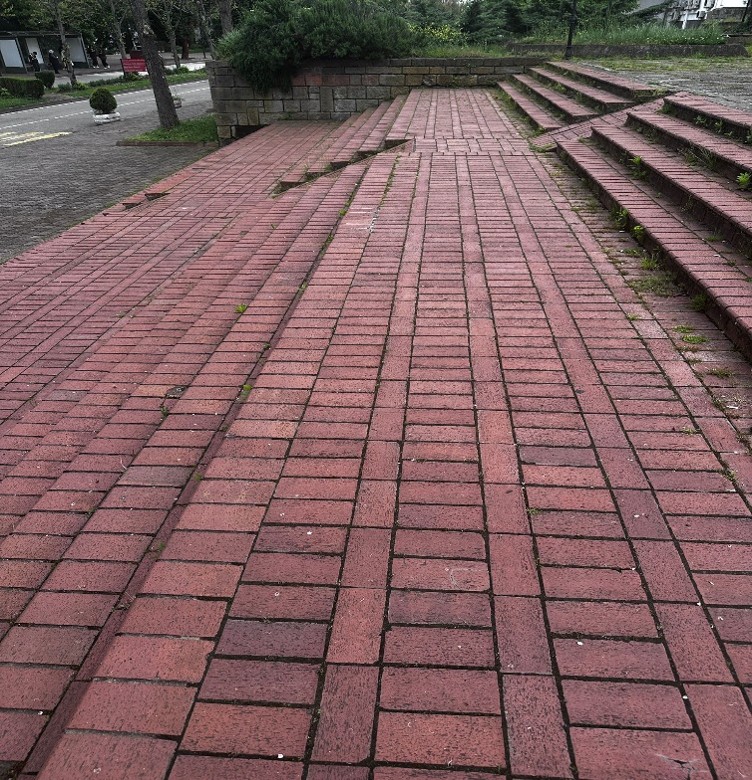
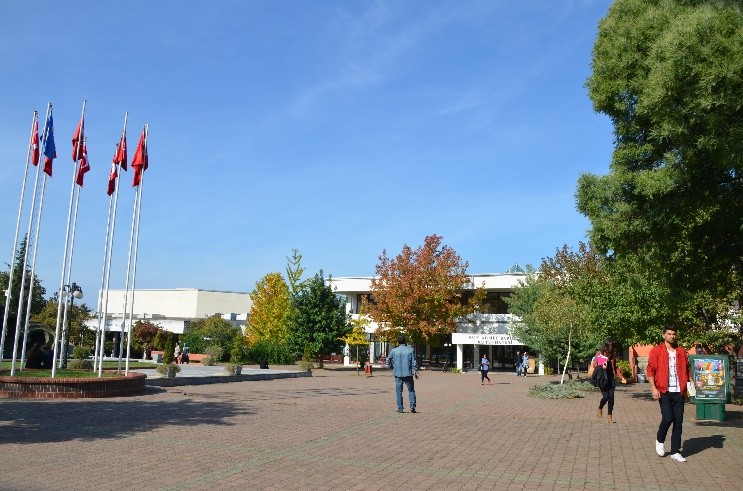
Water absorption areas include permeable paving blocks, semi-permeable pedestrian paths, porous transition zones, open infiltration surfaces, and drainage-compatible circulation areas distributed across the campus.
Rainwater Infiltration and Runoff Reduction
These surfaces allow precipitation to infiltrate into the soil rather than becoming surface runoff. They therefore reduce pressure on drainage infrastructure, limit localized flooding, and improve natural stormwater management.
Groundwater Recharge
Permeable ground systems support groundwater recharge by enabling rainwater to pass through surface layers and enter the underlying soil. This contributes to the preservation of the campus water balance and increases resilience during periods of intense rainfall.
Campus Coverage
The 2025 assessment determined that water-absorbing and infiltration-supporting surfaces, excluding forests and planted vegetation, cover 38.29% of the total campus area.
The extensive use of permeable and semi-permeable surfaces demonstrates KTÜ’s commitment to reducing impermeable ground cover, increasing rainwater infiltration, improving groundwater recharge, and strengthening sustainable stormwater management across the campus.