In 2025, Karadeniz Technical University expanded the use of water-efficient appliances in academic buildings, administrative units, dormitories, laboratories, guest houses, workshops, and public facilities to reduce potable water consumption.
Sensor Taps and Urinals
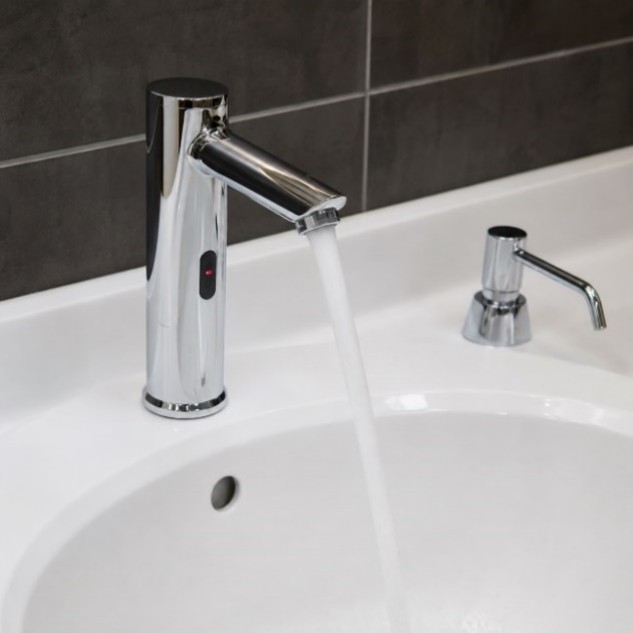
Sensor-operated taps automatically stop water flow when not in use, preventing unnecessary consumption in high-traffic areas. Sensor urinals provide controlled flushing only after use. Water-efficient systems account for 82.05% of sensor taps and 86.12% of sensor urinals across the monitored facilities.
Dual-Flush Toilets
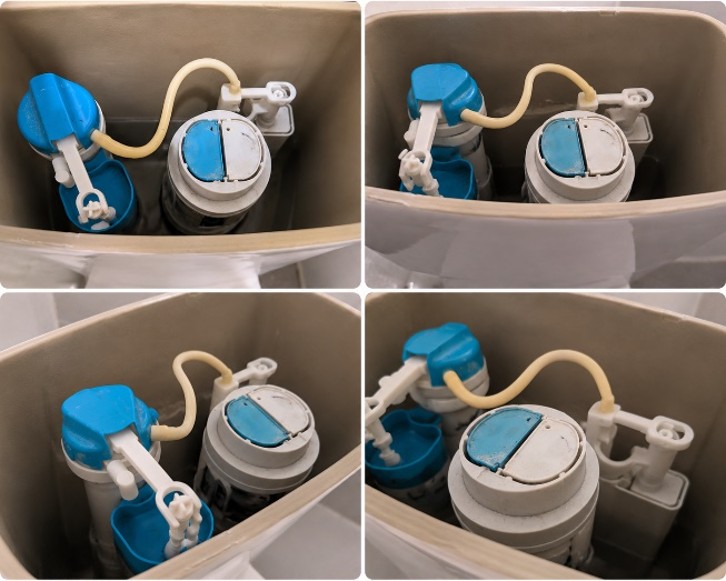
Dual-flush toilets allow users to select low-volume or full-volume flushing according to need. In 2025, 462 of the 560 monitored toilets were equipped with dual-flush systems, corresponding to an implementation rate of 82.50%.
Low-Flow Faucet Aerators
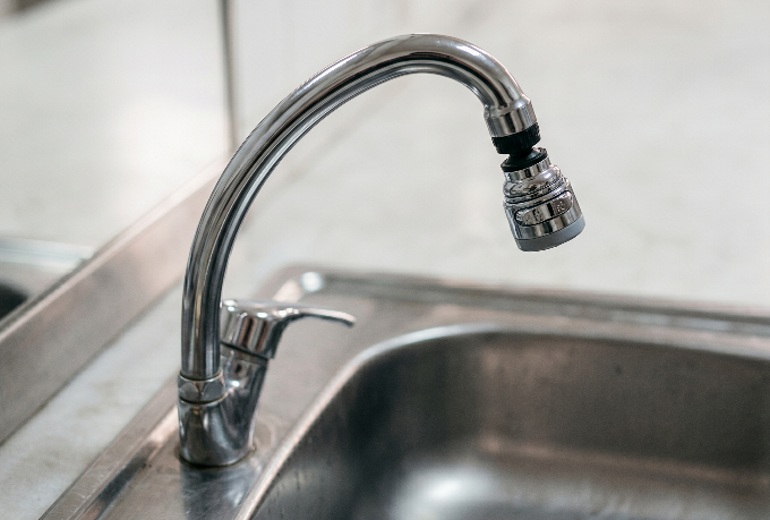
Low-flow aerators reduce water discharge by mixing air with water while maintaining adequate pressure and user comfort. Of the 1,567 monitored faucets, 1,389 were fitted with water-efficient aerators, representing a coverage rate of 88.64%.
Low-Flow Shower Heads
Low-flow shower heads installed in dormitories, guest houses, workshops, and laboratory bathrooms restrict flow to approximately 7 liters per minute. Water-efficient shower heads represent 82.22% of the monitored units.
Monitoring and Maintenance
Appliance inventories, maintenance activities, leakage notifications, and system malfunctions are monitored through the university’s digital Support Management System. This enables rapid intervention and supports the long-term performance of water-saving infrastructure.
The 2025 inventory indicates an average water-efficient appliance implementation rate of 84.31% across the evaluated categories. These systems reduce unnecessary potable water consumption and improve the operational efficiency of campus facilities.